
Create a Private Billiards Room at Home: These Pool Tables Will Instantly Elevate Your Living Room into a Stylish Entertainment Zone
At three o'clock on a weekend afternoon, sunlight slants across the floor as a few friends lounge on the sofa, chocolate chip cookies in hand, taking turns at the table. A beautifully banked shot earns a round of cheers; someone accidentally sends the cue ball flying, and the room fills with good-natured laughter. Scenes like this don't require a trip to the local billiards club—just a thoughtful makeover of your living room can make it an everyday reality.
Many people view a pool table as a "big-ticket item," worried it will hog space, collect dust, and clash with their decor. Honestly, I had the same concerns until I carefully picked the right table and discovered it wasn't a burden at all—it became the soul of the living room. Today, I'm sharing all my experience and the pitfalls I've encountered along the way.
Step One: Measure First, Don't Let Assumptions Ruin Your Living Room
The most common mistake when buying a pool table is focusing only on the playing surface while ignoring the space needed for your swing. A standard Chinese Eight-Ball table measures 2.85m x 1.55m, but you need at least 1.5 meters of clearance on all sides to pull back the cue. That means your living room should ideally be at least 5.5m x 4m to comfortably play long shots.
If your space is tighter, don't lose hope. There are compact home tables available—like 1.8m x 1.0m or 2.0m x 1.1m models—perfect for a study or a corner of an open-plan dining area. While they don't offer the full experience of a standard table, they're more than adequate for casual games of Eight-Ball or Nine-Ball at gatherings, and they're easier to store. Some even come with folding features, so you can tuck them against a wall when not in use.
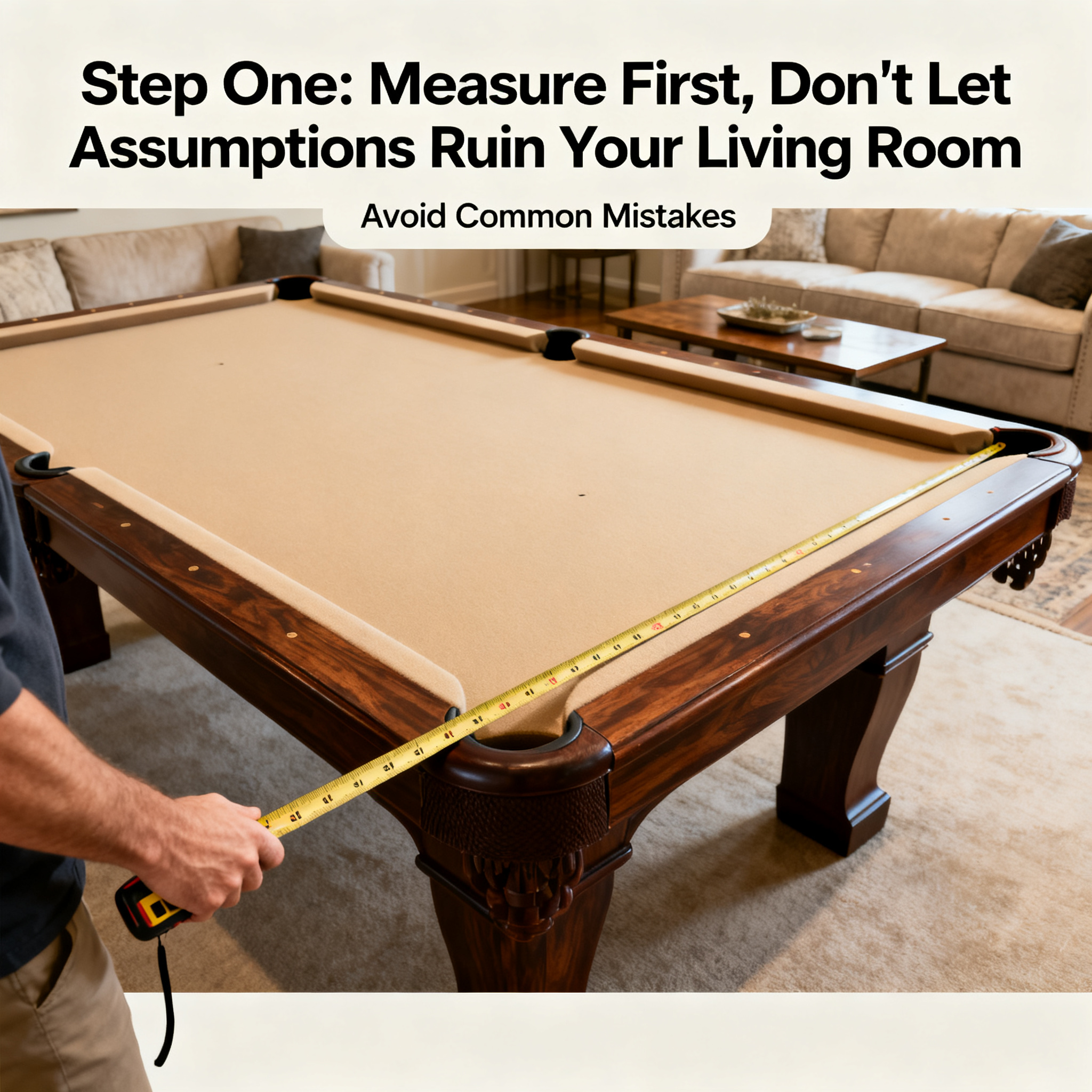
My own tip: before buying, use painter's tape to outline the table's footprint on the floor, then grab a broomstick to simulate your swing and walk around the perimeter. It's a low-tech trick, but it genuinely prevents the heartbreak of "bringing it home only to find the cue hits the wall."
Step Two: Focus on Cloth, Slate, and Pockets—Spend Where It Counts
Prices for pool tables range from a couple thousand to tens of thousands of yuan. What's the real difference? Let me break it down.
The cloth (that green felt on top) is the first factor affecting playability. Cheaper tables often use blended synthetic cloth that pills and gets slick over time, making ball control unpredictable. If your budget allows, go for imported "English worsted wool" or high-density wool cloth—it offers smooth rolls and a satisfying, muted sound. Mid-range tables (6,000–10,000 yuan) typically come with decent cloth that's more than sufficient for home use.
The slate is the backbone of the table. Quality slate must be perfectly flat, with seams nearly imperceptible to the touch. Many budget tables use a single piece of artificial stone—cheap, but prone to warping from humidity, leaving the surface uneven after a year or two and making even straight shots difficult. I recommend opting for a three-piece slate design, which distributes stress better and resists warping—it's also the standard in professional rooms.
Pocket construction is the most overlooked detail. Some tables have pockets that are too tight, causing balls to rattle out, or use stiff leather that can damage the balls. Good pockets should be made of supple cowhide with just the right elasticity, giving that smooth "swallow" feel when a ball drops. When shopping, test this by rubbing a ball against the pocket to gauge the feel.
I ended up with a mid-tier model from a domestic brand—under 9,000 yuan—featuring a three-piece slate, English worsted cloth, and hand-wrapped leather pockets. After more than two years, the surface remains as flat as day one, and friends often say it plays better than paid pool halls. If your budget stretches further, you could look at professional-grade options from brands like Xingpai or JOY, but for the average home, that level is truly unnecessary.
Step Three: Lighting and Storage Are the Real Soul of the Atmosphere
Once the table is in place, skimping on lighting makes the whole experience fall flat. If your living room pendant light isn't positioned right, your cue will cast large shadows that throw off your aim. The ideal setup is an adjustable multi-light pendant hung directly above the table, about 75–80 cm from the playing surface, ensuring even illumination across the entire cloth. I chose a three-head, warm-white industrial-style pendant—the moment I switched it on, the green felt gleamed with a velvety luster, and the entire living room's vibe shifted instantly.
Beyond lighting, cue storage deserves attention. Never lean cues against a wall—they can warp from moisture. A freestanding cue rack, or even a row of solid wood wall mounts, saves space and doubles as decor. I bought a six-cue walnut rack and placed it beside the sofa, topping it with a couple of small potted plants. Guests often mistake it for custom furniture.
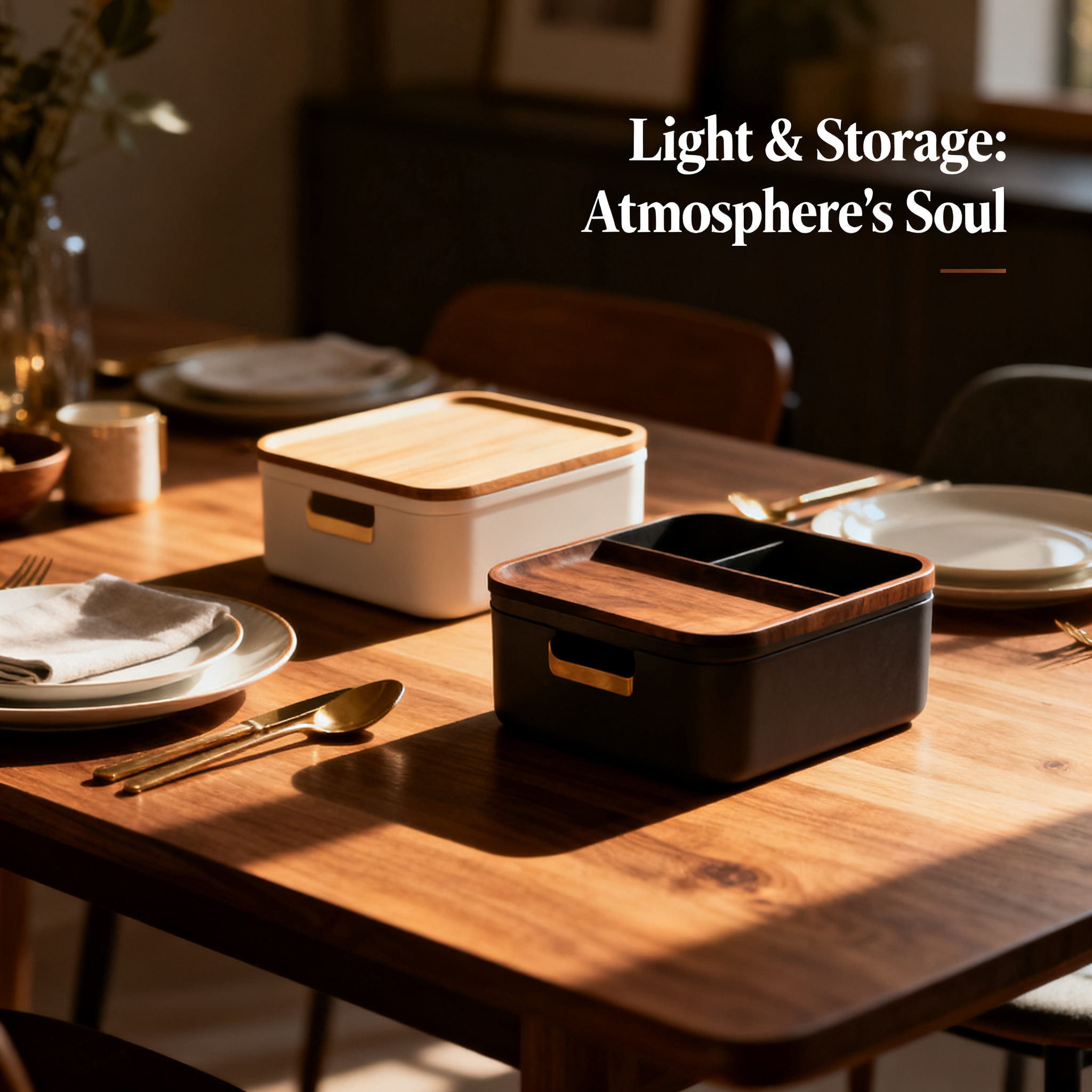
Also, tuck a small side table in the corner for drinks and snacks, so you're not tempted to set cups on the table rail—one accidental knock and you'll be kicking yourself. These little details are things I've figured out through hands-on use.
The Joy of a Private Billiards Room: Only Those Who Have It Know
Since the pool table arrived, my weekend entertainment radius has basically shrunk to the living room. No more booking ahead, no more enduring smoky, noisy pool halls—just slip on socks and start playing. More importantly, it's become a social catalyst. Before, gatherings meant everyone scrolling their phones; now, we gather around the table, chatting and laughing, forging bonds that feel like years of friendship in a single evening.
Sometimes after a late night at work, I'll switch on a single light and play a few frames of solo snooker, listening to the crisp crack of balls colliding as the day's stress slowly melts away. It's a strange, comforting presence—quiet and unobtrusive, always there waiting for you to pick up a cue.
If you're thinking of adding a "happy corner" like this to your home, remember to measure your space first, then compare cloth, slate, and pocket craftsmanship, and finally pair it with proper lighting and storage. Follow these steps, and your living room is guaranteed to become the spot your friends love most. And with the right table in hand, you might just be hosting an epic home tournament by this very weekend.