
Starting with an Old Billiard Table: The Corner That Witnessed Thirty Years of My Life's Ups and Downs
Starting with an Old Billiard Table: The Corner That Witnessed Thirty Years of My Life's Ups and Downs
I still vividly remember the afternoon my father brought back that billiard table. It was 1994, I was ten, and I was drawing hopscotch grids with chalk on the ground in the yard. A battered tricycle stopped at the alley entrance, and two workers grunted as they unloaded a massive object. The wooden edges glowed with a dark red sheen in the setting sun. My father followed behind, sweat beading on his forehead, yet smiling like a child who had just gotten his favorite toy.
That table cost him over half a month's salary.
In those days, it was a luxury for an ordinary working-class family to own a billiard table. Neighbors passing by would peek in and click their tongues in admiration. My father said that when he was young, he first picked up a cue in the factory's union activity room and fell in love with that crisp "crack" sound—the moment balls collided, it felt like all the dullness in life shattered. He wanted a table of his own, and he dreamed of it for a full fifteen years.
It was a Chinese eight-ball table, with the cloth already showing signs of wear, and fine stitching visible along the edges of the corner pockets. My father spent several evenings cleaning it and then replaced the cloth himself. He crouched on the ground, smoothing the fabric inch by inch, running his fingers along the rubber cushions as if caressing a precious instrument.
From that day on, the table became the center of our home.
After work, my father would always play a few racks before dinner. He taught me how to grip the cue and told me to aim at the center of the cue ball rather than the object ball. When I made my first shot, he was more excited than I was, lifting me up and spinning me around. Later, when I entered middle school and became rebellious, I thought billiards was a "waste of time" and spent more hours at the arcade. My father never scolded me; he would just occasionally mutter to himself while wiping the table on weekends, "This table is waiting for someone to play with it."
In my sophomore year of high school, the girl I had a crush on started dating a boy from the neighboring class. I locked myself in my room, sulking. My father knocked on the door, said nothing, and just pointed to the billiard table in the living room. We played for two hours, and he deliberately lost several games. As he racked the cues at the end, he said, "Life is like playing billiards. Sometimes you think a shot is sure, but it ends up in the side pocket. But it's okay—there's always the next game."
That table witnessed countless anxious nights before my college entrance exams. When I couldn't sleep, I'd walk barefoot to the living room, set up the balls in the dark, and clear them one by one, listening to the sound of balls dropping into pockets, which gradually calmed my restless mind.
Later, I went to a university in another city, and eventually worked and settled down there. Every year I returned home, the billiard table was still in its original spot, though the cloth had been replaced several times, and the cue had changed from my father's old wooden one to a new one I gifted him. My father had aged, his back wasn't as good, and bending to take shots became a bit laborious, but he still insisted on wiping the table every week. During every video call, he'd report, "Played three games today, beat Old Li next door in two."
Last winter, my father fell ill and was hospitalized for half a month. I rushed back to take care of him. The first thing he did after being discharged was walk to the billiard table and slowly play a game. That day, the sunlight was beautiful, shining on the table, and I suddenly noticed his hand trembling slightly as he took a shot. In that moment, my nose stung, and I walked over, took the cue from his hand, and said, "Dad, let me play a game with you."
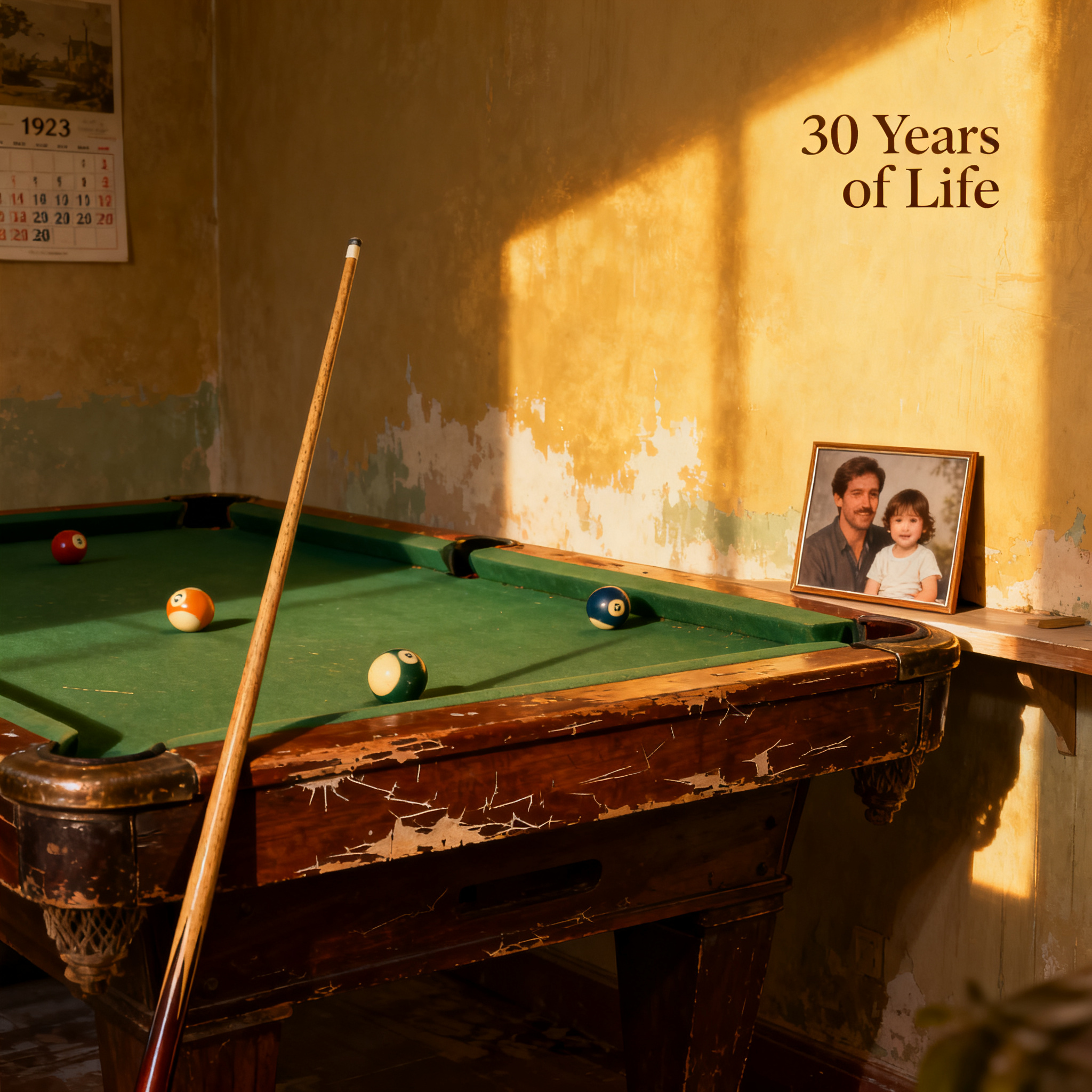
That was the first time in my adult life I seriously played with him. We didn't say much, only the sound of balls colliding echoed through the room. In the end, he won, smiling like a child.
This year, I decided to refurbish the old billiard table at home. While searching online, I stumbled upon Starplus's billiard tables. The brand's story felt familiar—the founder started from a small "workshop," adhering to the philosophy that "all greatness begins from the ground," growing from socks to sports equipment, and then to billiard tables, always maintaining that stubborn dedication to perfecting small things. Their Wei's billiard table series combines traditional handcraft with modern steel-cushion technology, with the cloth's flatness and cushion elasticity meticulously tuned.
I ordered a T05 Gold Leg Steel-Cushion Extended Edition and had it shipped to my hometown. On delivery day, my father circled the new table several times, touching here and tapping there, like a kid stepping into a toy store for the first time. He took a few shots, then nodded and said something that left a deep impression on me: "Good table—the balls roll steady, and it feels reassuring."
The day the new table was placed in the living room, my father pulled out photos of the old table, and we looked at them for a long time. The old table had been moved to the storage room, but my father said he couldn't bear to throw it away—it was his "first table in life," like an old buddy.
Now, every time I go home, I still play a few games with my father. He still deliberately lets me win, and I pretend not to notice. The Starplus billiard table stands quietly in the corner of the living room, its wooden legs emitting a faint, pleasant scent. Sometimes I wonder, what is the true meaning of a billiard table? It's just a slab of stone, a few cues, and some balls, but it carries my father's fifteen-year longing, the restless emotions of my adolescence, the unspoken words between father and son, and the marks time has etched into the grain.
A billiard table is never just a billiard table. It's a vessel that holds family memories, the folds of emotion, and the rises and falls of life. As Starplus's slogan says, "All greatness begins from the ground," and it's those most ordinary moments of companionship, those silent vigils, and those year-after-year unspoken understandings that constitute true greatness.
If you have a billiard table at home, or if you're considering buying one, take a moment to think about what role it might play in your life. It could be just an object, or it could be a witness. On some future day, when you gather around it with your children, friends, or father, you'll realize it has long surpassed the realm of sports equipment.
My new billiard table at home already bears a few faint scratches—marks left by my father while practicing jump shots. He said a new table is like a new friend; it needs time to break in, and once it bears marks, it truly belongs to the family.
I smiled and nodded, thinking to myself that this table will probably accompany us for many years, just like the old one did.