
The Ultimate Guide to Buying a Used Pool Table: How to Snag a High-Value 'Veteran'?
The Ultimate Guide to Buying a Used Pool Table: How to Snag a High-Value 'Veteran'?
Many billiards enthusiasts, when renovating their basements, garages, or studios, often consider buying a pool table. But a glance at the price tags of brand-new, top-tier tables—often running into the tens of thousands—can make anyone hesitate. So, "hunting for a good table on the second-hand market" becomes the go-to choice for many. However, the waters of used pool tables aren't as deep or as shallow as they seem. Buy right, and you've scored a bargain; buy wrong, and you've brought home a demanding "master" that will drain your wallet with shipping and repair costs, leaving you questioning your life choices.
As a seasoned pool hall regular who's spent over a decade around the tables, I've seen plenty of friends get burned on second-hand platforms. This guide is here to walk you through how to pick a "veteran" from those retired tables—one that can stand by you for the next ten years.
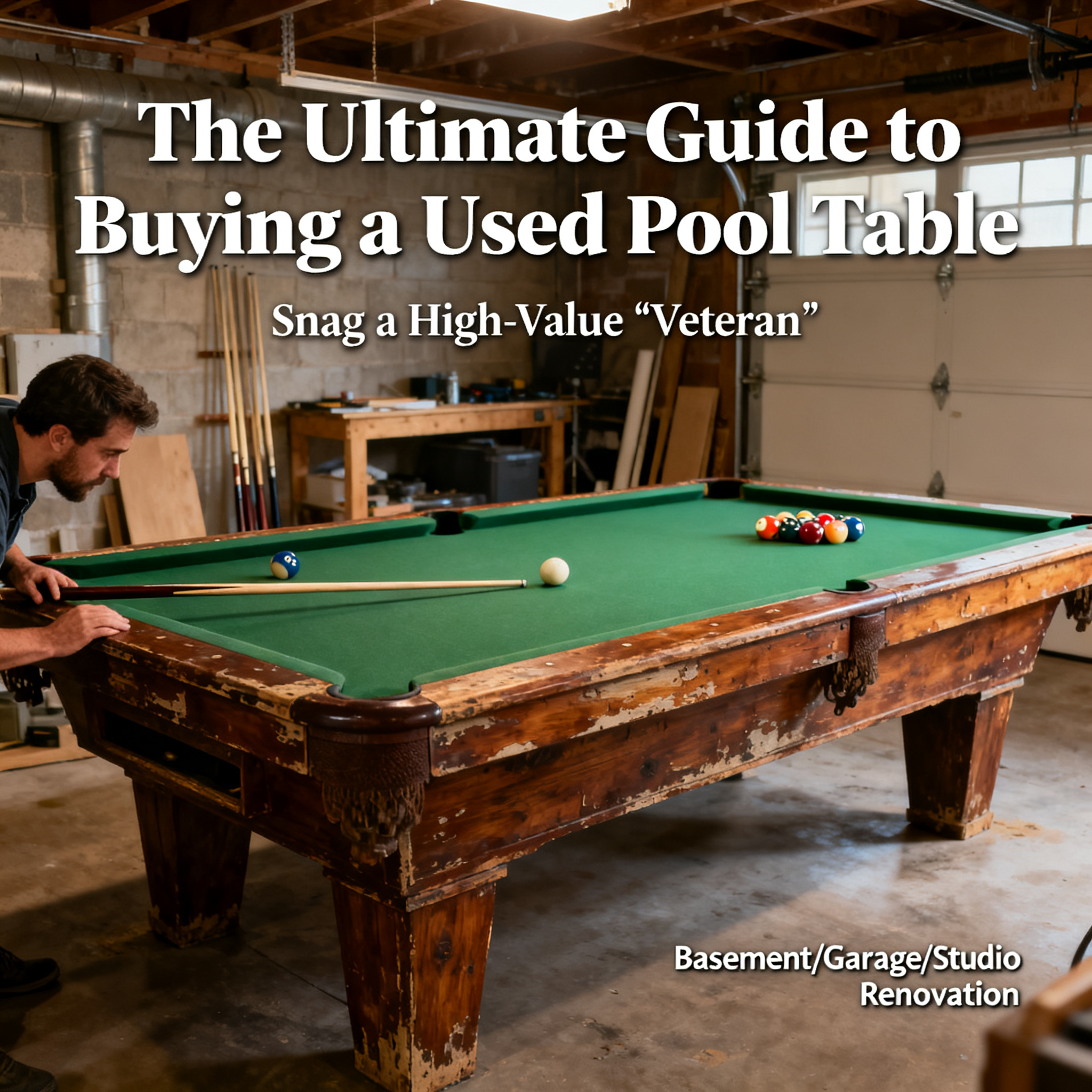
Why Consider a Used Table?
The biggest advantage of a used pool table is, naturally, the price. Typically, a Chinese eight-ball table that originally cost over ten thousand yuan might drop to just 30-40% of its original price after three to five years of use. For those on a budget or who only play occasionally without chasing professional-grade performance, the cost-performance is indeed impressive.
But cheap doesn't always mean a good deal. Pool tables are a bit like cars—classic cases of "30% depends on use, 70% on maintenance." A table that's been left in a damp garage or used as a trampoline by kids might look fine on the outside, but its core components could be suffering from serious "internal injuries." So, the key to buying used lies in your ability to see through those "surface-level shine" traps.
Step 1: Check the 'Heart'—The Slate, Top Priority
The most critical part of a pool table isn't the wood; it's the slate. The vast majority of Chinese eight-ball and snooker tables on the market use natural blue stone slate. If the slate is cracked or has uneven seams, the ball's path across the table becomes erratic—commonly known as "crooked lanes."
How to Check?
Don't be shy; insist that the seller lift a corner of the cloth (at least half the table). Focus on whether the slate seams are smooth—run your fingernail across the joints to feel for any noticeable ridges. If possible, bring a spirit level and place it at different spots on the slate. Additionally, inspect the underside of the slate for any signs of repair. Some cracks are patched with "staples" or glue; if you spot such fixes, it's best to walk away, no matter how low the price. Remember, once the slate has issues, it's nearly impossible to restore to perfection—it's a money pit.
Step 2: Check the 'Skin'—Cloth Wear and Lifespan
The cloth is the part that directly contacts the ball and wears out the fastest. Many sellers of used tables will tell you, "The cloth was just replaced and is still new." Don't just take their word for it—get hands-on.
Key Points:
Run your palm along the cloth's nap direction to feel for any pilling, matting, or rough spots. Pay special attention to the pockets and the break zone, which are the hardest-hit areas. If the cloth is already shiny from wear or you can see the slate's texture through it, congratulations—you'll need to spend a few hundred to a thousand yuan on new cloth right after purchase.
As for the cost of replacing cloth, you should have a ballpark figure in mind. Domestic cloth can be had for a few hundred yuan, but imported, competition-grade wool cloth might set you back over a thousand. Factor this "hidden cost" into your price negotiations.
Step 3: Check the 'Muscles'—Cushion Elasticity and Aging
The elasticity of the cushions determines how the ball reacts off the rails. Aged cushion rubber hardens and loses its spring, causing balls to rebound with a dull thud and weak bounce, completely lacking that crisp "pop."
Testing Method:
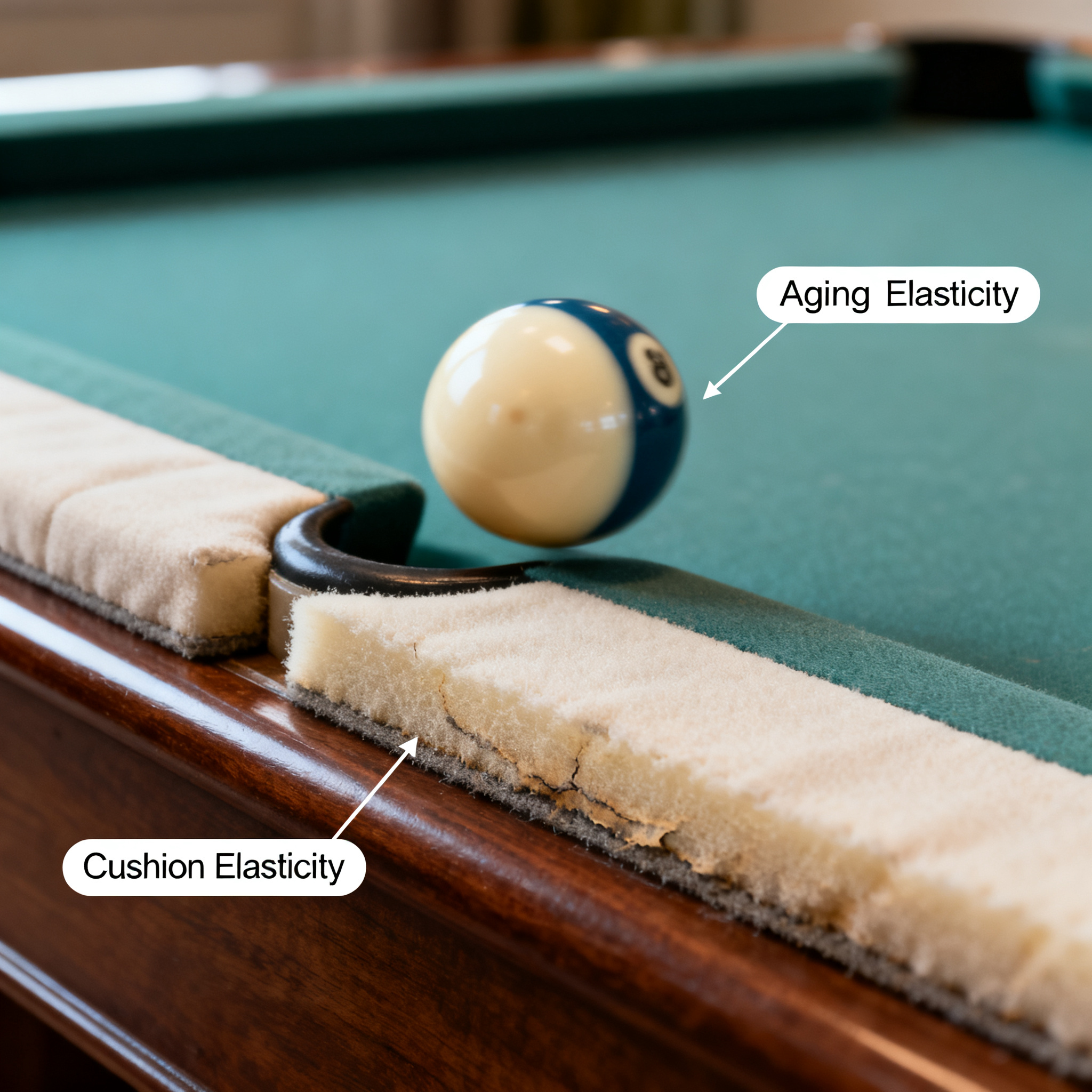
Take a ball and gently push it toward the cushion, observing the speed and angle of the rebound. If it feels like hitting wood with a "thud, thud" sound, the cushion rubber is severely aged. Also, press the cushion rubber with your hand to gauge its rebound. If it sinks into a dent and takes forever to spring back, that cushion is essentially done. Replacing cushion rubber is a major job requiring professional tools and skills, and it's not cheap—so pay extra attention here during selection.
Step 4: Calculate the Total—Hidden Costs of Transport and Installation
This is the pitfall that trips up most beginners. Pool tables are heavy—a Chinese eight-ball table, even packed, weighs several hundred kilograms. Moving it from the seller's place to yours involves disassembly, hauling, and transport, which isn't something a simple ride-hailing service can handle.
Money-Saving Tips:
Try to buy from local sellers and ask upfront if they handle disassembly and installation. If not, you'll need to hire a professional pool table mover yourself. This cost can range from a few hundred to over a thousand yuan, depending on the floor and distance. If you're buying from out of town, shipping alone might cost more than the table itself, instantly killing any cost-performance.
My advice: Before even viewing a table, contact local movers to get quotes for disassembly and transport, add that to the total price, and then decide if it's worth it.
On the Self-Cultivation of a 'Veteran'
Buying a used table is essentially betting on the original owner's maintenance habits. If they're a meticulous player who kept the table in a climate-controlled environment with regular upkeep, you've found a gem. If they treated it as mere furniture, even leaving it out on a balcony to bake in the sun and get rained on, no brand can withstand that kind of abuse.
When selecting, I'd recommend prioritizing tables retired from reputable pool halls or those used by individual players. Hall-retired tables may show more wear, but they're usually structurally sound, and many halls replace cloth regularly, so the foundation is solid. For personal sellers, ask more about usage frequency and where the table was kept.
If you find yourself unsure about slate flatness or cushion condition during your inspection, there's a clever workaround: Look at the brand and manufacturing quality. Reliable manufacturers, like SQUARE COMFORT, subject their tables to rigorous precision tests before they leave the factory, including pocket geometry and flatness verification. Used tables from such brands, even after some use, tend to have a solid foundation as long as no major external damage occurred, thanks to reinforced hardwood frames and moisture-resistant coatings that resist warping far better than no-name brands.
Finally, Do the Math
Say you spot a used SQUARE COMFORT table priced at 3,000 yuan—seems like a steal. But if you find the cloth needs replacing (800 yuan), the cushion rubber is aged and needs swapping (1,000+ yuan), plus moving costs (600 yuan), your total outlay is already close to 5,500-6,000 yuan. At that point, you might as well look into SQUARE COMFORT's new entry-level home tables. Sometimes, with promotions, the price isn't as high as you'd think, and you get full after-sales support, saving you headaches.
When buying used, hunt for tables with 'good bones and minor fixable issues,' not 'low price but major problems' that are hot potatoes. Remember this, and you'll save yourself a lot of wasted money.
At the end of the day, a good pool table is an old companion that'll see you through countless lazy weekends. If your budget allows and you crave the ultimate playing feel and stability, then buying a brand-new table from a reputable brand, enjoying the full experience from unboxing to installation, offers a joy that used tables can't match. Whichever path you choose, I hope this guide helps you see clearly and find the table that's truly meant for you. If you're ever in doubt during your search, don't hesitate to consult seasoned players or visit brands like SQUARE COMFORT that focus on details and user feedback—you'll get a better sense of what to look for.