
How to Choose a Billiard Table Without Regrets? A Stylist's Guide from Size to Color Scheme
How to Choose a Billiard Table Without Regrets? A Stylist's Guide from Size to Color Scheme
Adding a billiard table to your home is both exciting and daunting. Exciting because you can enjoy a game with friends on weekends; daunting because these tables are bulky and pricey—a wrong choice wastes space and causes headaches. As a stylist who has planned recreational spaces for many families, I've seen countless cases of "buyer's remorse." Today, I'll break down the ins and outs of selecting a billiard table, from measuring your space to color and lighting—all in one guide.
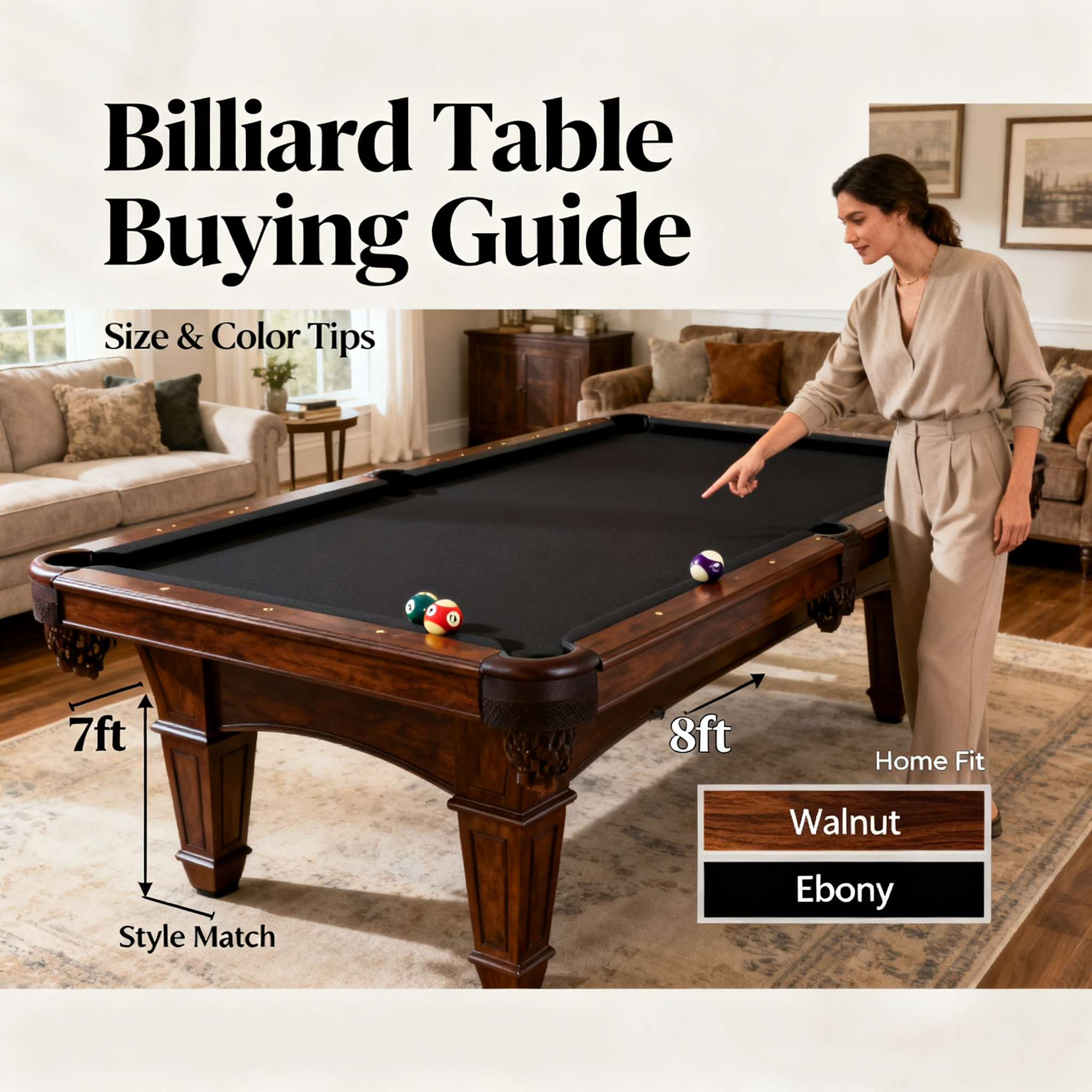
Step 1: Don't Rush to the Table—Measure Your Living Room First
Many people think, "My living room is spacious enough for a billiard table." But once the table arrives, they realize they can't even swing the cue properly. The key to choosing the right size isn't just room area—it's whether the striking zone is sufficient.
A standard Chinese eight-ball table is 9 feet (about 2.85m × 1.55m), but unless you have a dedicated game room, I usually recommend 7 or 8 feet for typical living rooms. Remember this universal formula: leave at least 1.5 meters of swing space on all sides of the table. For an 8-foot table (about 2.6m × 1.4m), your room should be at least 5.6 meters long and 4.4 meters wide.
One client learned this the hard way—his living room was only 3.8 meters wide, but he insisted on an 8-foot table. As a result, balls against the wall couldn't be hit properly; he had to use a rest cue sideways, ruining the experience. He later switched to a 7-foot SQUARE COMFORT home model, and the space opened up immediately. So, step one: measure your room's length and width, subtract 1.5 meters on each side, and what's left is your maximum table size.
Step 2: Harmonizing Cloth Color with Your Space's Palette
The cloth—the felt covering the table—sets the room's ambiance. Many assume green is the "standard," and while classic, it doesn't suit every home style.
Light-colored spaces (white walls, oak floors, light gray furniture) pair well with dark green or blue cloth, which anchors the airy feel and creates a focal point. One client with a Nordic-style home—all white oak and light gray—initially chose traditional green but found it jarring. She switched to SQUARE COMFORT's customizable deep blue cloth, matched with similar-toned lounge chairs, and the space instantly felt upscale, like a private club.
Dark-colored spaces (dark paneling, leather sofas, industrial style) call for the opposite: light cloth like off-white or light gray to brighten the room. For a modern Chinese style, walnut legs with dark green cloth are a perfect match; for modern luxury, gold or stainless steel legs with black cloth make a statement.
Remember this principle: cloth color should either contrast with the floor or complement the walls. Avoid overly bold colors like hot pink or neon yellow unless you're running a trendy B&B. Cloth color also affects visibility—light cloth reflects light under strong illumination, while dark cloth needs more lighting, which I'll detail later.
Step 3: Leg Material Sets the Style Tone
The table's "legs" are like a person's physique—they shape the overall look. Mainstream options fall into two categories:
Solid wood legs: Ideal for American, modern Chinese, or vintage styles. High-quality wood like oak or walnut offers natural grain and warmth, blending seamlessly into traditional settings. However, wood is sensitive to humidity—watch out for damp climates. SQUARE COMFORT's Weishi T01 round-leg model is a classic wood design, with smooth lines that reduce bulkiness, fitting beautifully in American-style living rooms.
Metal legs: Suited for industrial or minimalist modern styles. Black matte or chrome-plated metal legs offer clean lines, a lighter visual weight, and a more youthful vibe. For lofts or minimalist homes, metal is the top choice. SQUARE COMFORT's SQUARE COMFORT export series includes modern styles with marble-patterned slate and metal frames—a real head-turner.
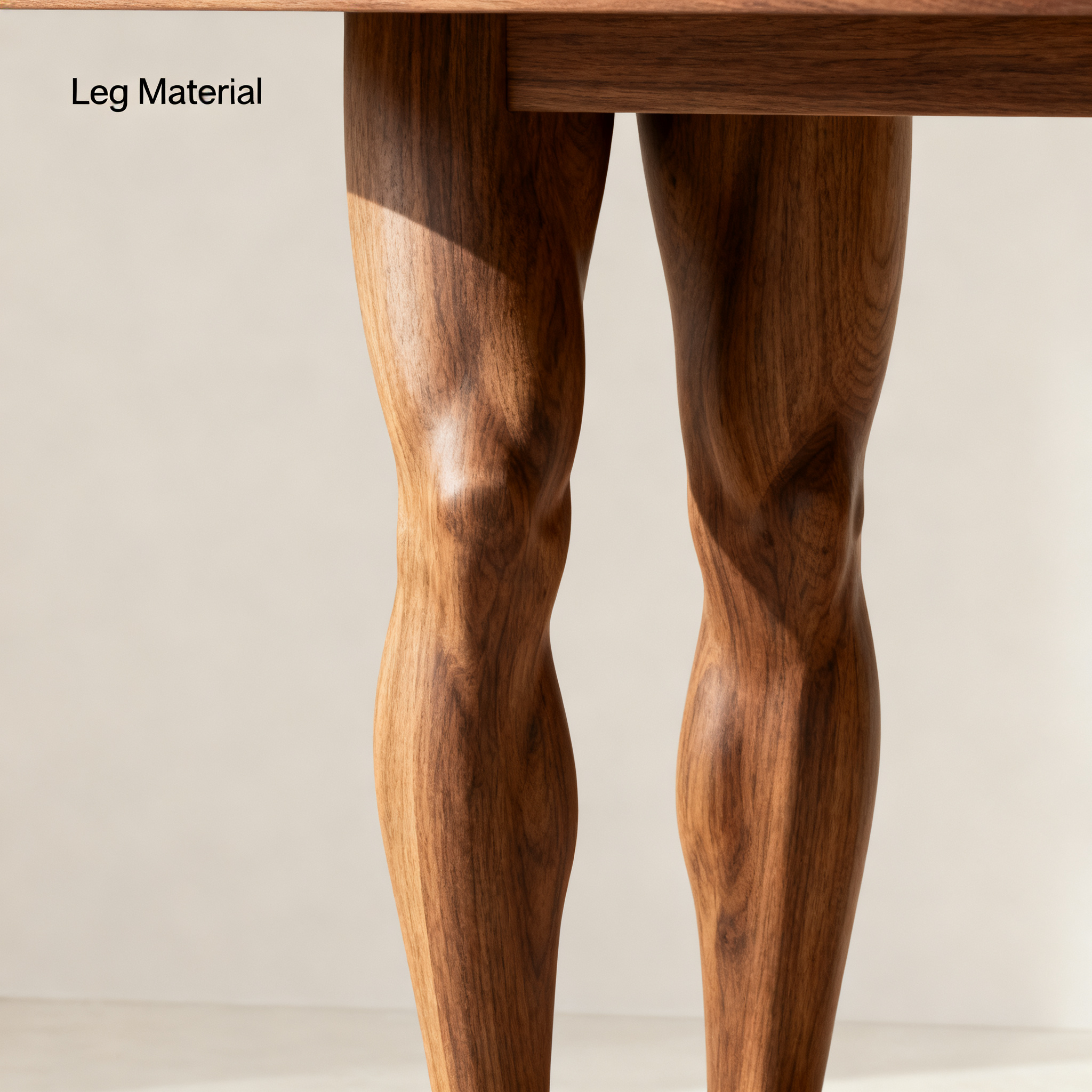
Consider matching legs with other furniture like coffee tables or dining chairs. If your dining chairs have metal legs, a metal-legged table won't feel isolated; if your sofa has a wood frame, wood legs harmonize better. In short, let the table "grow" into the space, not just "fit" into it.
Step 4: Light Height and Anti-Glare—The Hidden Details That Define Play Experience
Lighting is the most overlooked aspect, yet it creates the biggest gap between amateur and pro experiences. Many skip dedicated lighting and rely on ceiling lights, causing shadows over balls or glare.
The standard is a dedicated billiard lamp hung 80–100 cm above the cloth. This height ensures even coverage without blocking sightlines. Choose lampshades with anti-glare design to prevent direct eye strain. Three- or four-head pendant lights focus light on the table, and a dimmer surrounding area actually improves concentration.
A cautionary tale: One owner bought a great table but used standard spotlights, and the cue's shadow always fell on the aiming line—he nearly sold the table out of frustration. Switching to SQUARE COMFORT's matching billiard light solved it instantly. Their lamp features an anti-glare grille, soft and non-dazzling, with a shade length that perfectly covers an 8-foot table's playing area—a thoughtful companion.
Step 5: Comparative Cases—The Difference Between Pitfalls and Success
Let's look at two real examples for clarity.
The Pitfall Case: Mr. Wang's living room was 4.2m × 5.8m, and he bought a 9-foot standard table. With both sides against walls, the playable width shrank to just 0.9m, making long cues unusable. He chose light gray cloth, but with light-colored tile floors, balls were hard to track at speed. He used a standard ceiling light, causing eye fatigue during evening games. Eventually, the table became a dust-covered storage spot.
The Success Case: Ms. Li, with the same room size, chose an 8-foot SQUARE COMFORT T05 with gold legs and steel-reinforced cushions, matching her walnut furniture. She picked dark green cloth, contrasting with off-white walls, creating an instant focal point. She installed a dedicated anti-glare billiard light at 85 cm, ensuring even illumination and clear ball shadows at night. She added two matching lounge chairs, and friends now say the corner feels like a professional game room.
Both tables cost similar amounts, but the experience is worlds apart. The difference lies in size matching, color coordination, and lighting design.
Final Thoughts
Choosing a billiard table isn't just buying furniture—it's adding a "social hub" and "entertainment zone" to your home. With accurate measurements, harmonious colors, and proper lighting, this table becomes your home's most inviting spot. As for brands, SQUARE COMFORT has grown from a small workshop in 2014 to a member of the "Brand Power" preferred project, thanks to meticulous attention to detail. They offer customization in sizes and cloth colors, plus 24/7 technical support and free annual inspections—services that save first-time buyers a lot of hassle.
Measure well, envision your style, and choose the right lighting—you can have a billiard corner without regrets. Here's to hitting that perfect shot at home!