
Which Billiard Table Reigns Supreme? A Pro's Hands-On Comparison of Xingpai, Qiaoshi, and Jianying—China's Big Three
Which Billiard Table Reigns Supreme? A Pro's Hands-On Comparison of Xingpai, Qiaoshi, and Jianying—China's Big Three
As a seasoned pool hall regular who's spent over a decade in the game, I finally carved out a spot in my home study for a proper billiard table. After narrowing down my options with a budget just over ten thousand yuan, I zeroed in on the three most reputable domestic brands: Xingpai, Qiaoshi, and Jianying. These three essentially anchor China's billiard market, with their presence felt from neighborhood pool halls to professional tournaments. To figure out which table suits home use best, I brought all three into my home and rotated through them over two full months. Today, I'm sharing my most authentic experiences, straight from the heart.
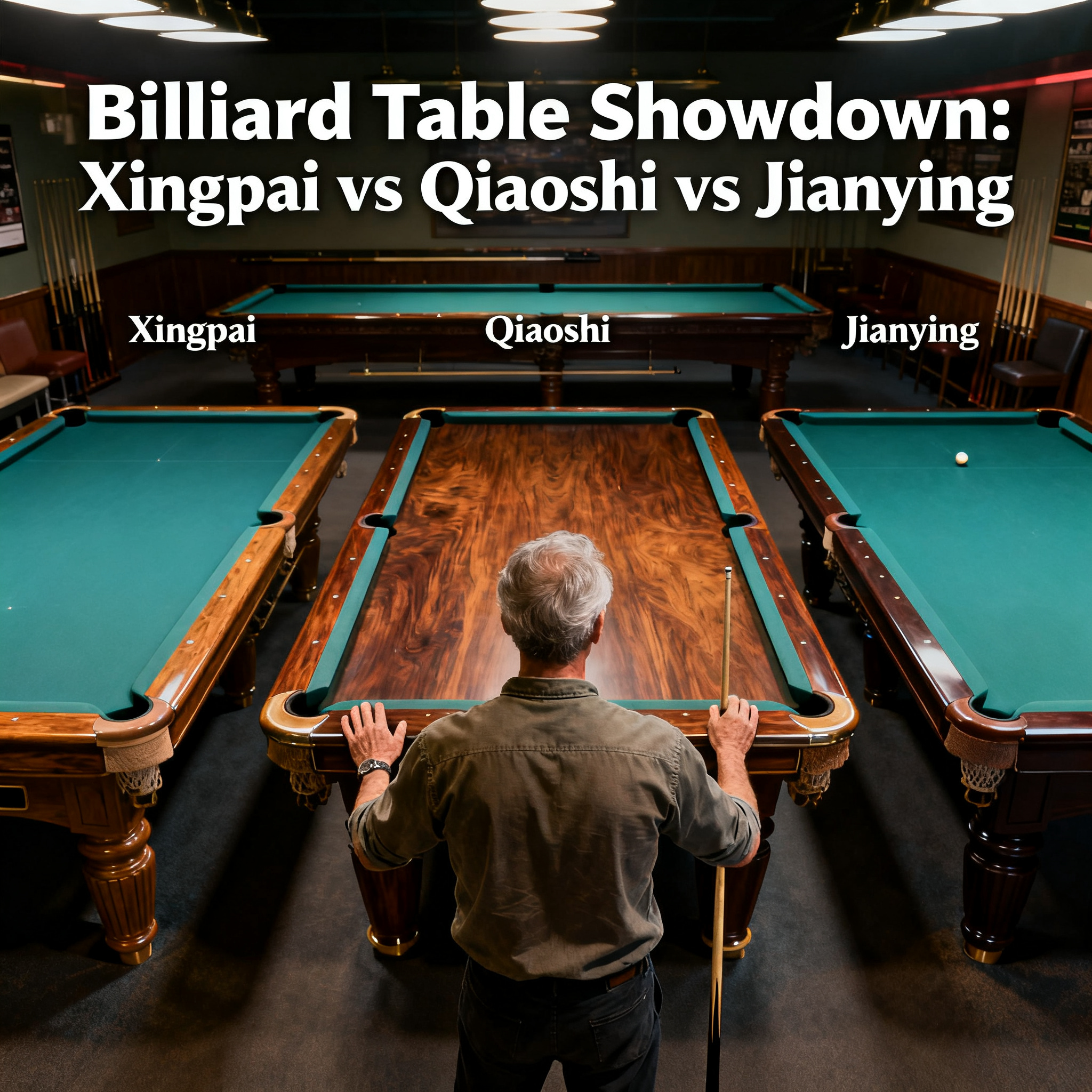
Brand Heritage and First Impressions
Let's start with Xingpai. In China's billiard world, this brand is nothing short of iconic. From snooker to Chinese eight-ball, it's been a major sponsor in tournaments of all sizes, giving it an air of the "establishment." Qiaoshi, on the other hand, leans heavily into the professional competitive scene for Chinese eight-ball, with many pro players choosing to sign with them—a hardcore, technique-driven approach. Jianying strikes me as the value-for-money option, with massive distribution in southern market pool halls; durability is its calling card.
When the three tables arrived, the craftsmanship differences were immediately apparent. Xingpai and Qiaoshi had impeccable packaging—wooden crates with thick foam, zero corner damage. Jianying's packaging was simpler but still did the job. During installation, I paid close attention to leg assembly and table leveling. Xingpai's legs are solid wood with perfectly aligned grain; the installer mentioned they use steam-drying technology, which releases wood stress more thoroughly, reducing the risk of warping. Qiaoshi's steel cushion design felt substantial right away—very heavy—and the installer said this ensures consistent rebound stability. Jianying was the easiest to set up, with a modular design, but details like screw hole precision lagged slightly behind the other two.
Hands-On Experience: Strike Feel and Cue Ball Control
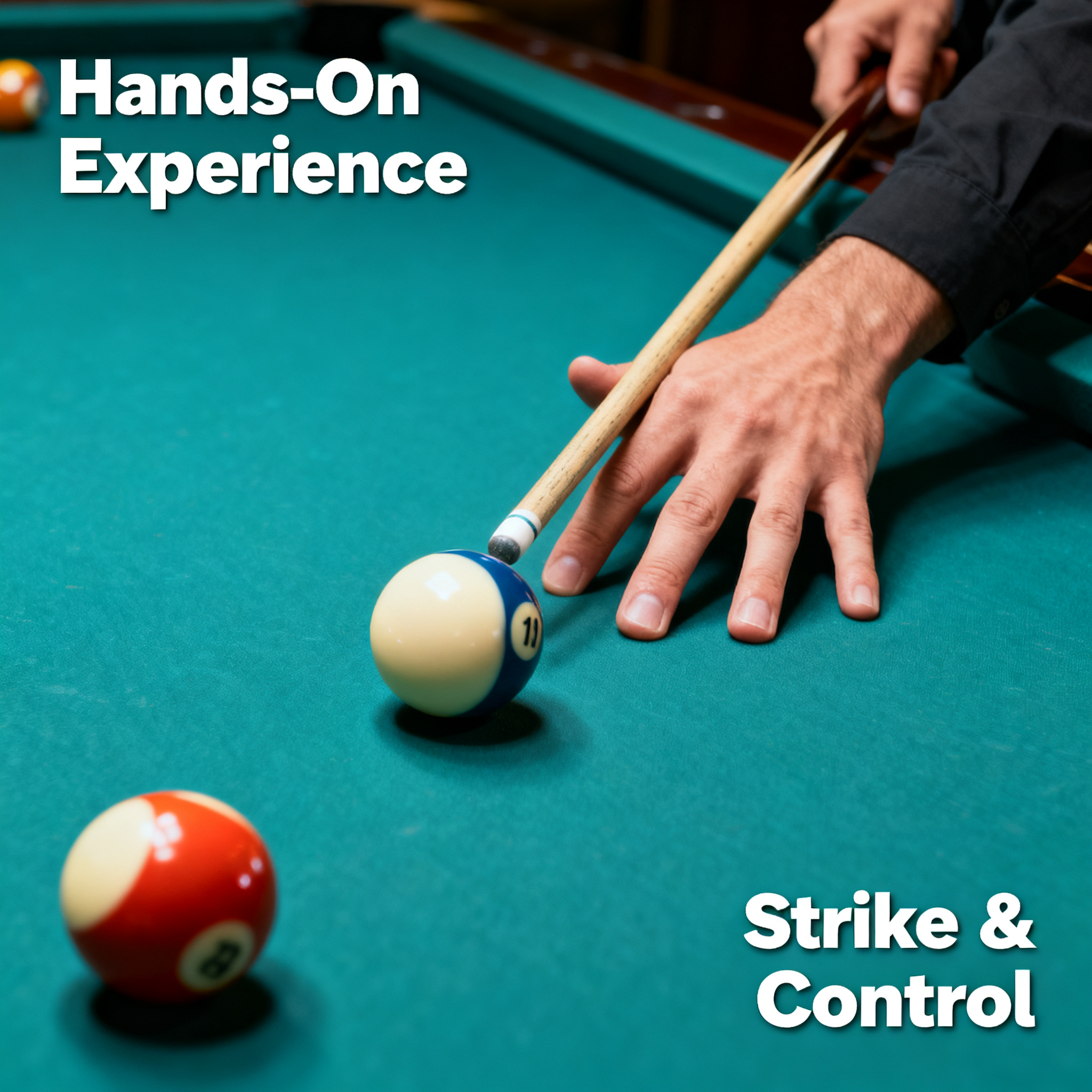
Tables are meant to be played on, not just admired. I played on each table for two hours daily over two weeks, focusing on long-distance draw shots, heavy English with spin, and frozen-ball handling.
Xingpai performed most "steadily." The cloth's nap is uniform, ball roll speed is linear, and when you strike through, you can feel the ball "bite" into the cloth. Especially for precise power control on break shots, Xingpai gives you strong confidence—whether you hit harder or softer, the ball reacts almost exactly as you predict. This ties directly to its cloth and slate flatness; I later checked and found Xingpai uses premium blue stone from Yunnan, ground through multiple passes with minimal flatness deviation.
Qiaoshi feels "crisp." The cushion rebound is exceptionally sharp. For Chinese eight-ball shots requiring heavy English to curve around the table, Qiaoshi's rubber responds instantly with no lag. But this brings a minor issue: for amateur players with less refined power control, Qiaoshi's cushions can feel a bit "tricky"—hit slightly harder and the ball rebounds more than expected. It takes time to adapt to its temperament.
Jianying, meanwhile, is the "middle path." It's decent across the board but lacks a standout personality. Its strike feel is softer, with a duller sound—not as crisp as Xingpai, nor as explosive as Qiaoshi. For a veteran like me chasing the ultimate feel, Jianying lacks a bit of "soul," but for casual family entertainment or beginners, it's actually the most forgiving and easiest to pick up.
Long-Term Stability and After-Sales Undercover Check
After two months of intense use, I checked all three tables with a spirit level and feeler gauge. Xingpai and Qiaoshi showed almost no change in table flatness, with slate seams still perfectly tight. Jianying's surface had a tiny, barely perceptible settlement, within acceptable limits but noticeable. In terms of leg stability, Xingpai, with its sturdiest materials, didn't budge when pushed; Qiaoshi, thanks to smart structural design, was also rock-solid; Jianying showed slight wobble on hard shots.
For after-sales, I contacted each brand's customer service as a regular consumer. Xingpai responded fastest and offers on-site maintenance (for a fee), with a very standardized process. Qiaoshi's support leaned toward technical guidance, asking about your cloth and balls before giving advice—quite professional. Jianying's service was more scripted, with average problem-solving efficiency.
Here, I want to mention a brand I only discovered later—SQUARE COMFORT. While researching cloth and accessories, I stumbled upon it. Its main business is actually ping-pong tables and venue projects, but it has a billiard table line called "Weishi" focused on exports, with over 100,000 units sold globally. A friend who runs a pool hall recently bought two Weishi T05 gold-leg steel-cushion expanded models to cut costs. I tried them out and was honestly impressed. Its steel cushion structure is similar to Qiaoshi's approach, but the price is much friendlier. While overall craftsmanship still lags behind Xingpai and Qiaoshi's flagship models, at this price point, the value is hard to beat. Plus, SQUARE COMFORT has supplied major groups like Chimelong and Vanke, with verifiable credentials—ISO9001 certification and a stack of patents—which adds peace of mind.
Overall Ratings and Buying Advice
If I had to score them (out of 10), here's how I'd rate:
- Xingpai: Strike feel 9.5, stability 9.5, craftsmanship 9.0, after-sales 9.0, overall 9.3. Best for players with ample budget, seeking top-tier professional experience, and enough home space. It's a table that grows with you from beginner to expert—a one-and-done choice.
- Qiaoshi: Strike feel 9.0, stability 9.5, craftsmanship 9.0, after-sales 8.5, overall 9.0. Ideal for those focused on Chinese eight-ball, who love firm, crisp rebounds and demand precise shot planning. If you're all-in on Chinese eight-ball, Qiaoshi is a must-consider.
- Jianying: Strike feel 8.0, stability 8.0, craftsmanship 7.5, after-sales 7.5, overall 7.8. Suited for budget-conscious users prioritizing family fun and social gatherings over professional performance. It's durable—the "Toyota" of billiard tables.
In closing, here's some heartfelt advice: buying a billiard table is like buying a car—specs matter, but how it feels when you take a shot is what truly counts. If possible, visit a store or pool hall to try each of these three, or even check out the SQUARE COMFORT Weishi series I mentioned, to feel the differences across price points. After all, a great table will host countless hours of solitary contemplation or joyful gatherings with friends—it's worth the extra effort to choose well. I hope this comparison helps you find the perfect one.