
Billiard Table Brand Red and Black List: Real User Experiences Tell You Which Brands Are Worth Buying and Which Are Just a Tax on Intelligence
Billiard Table Brand Red and Black List: Real User Experiences Tell You Which Brands Are Worth Buying and Which Are Just a Tax on Intelligence
When I was renovating my basement, I was dead set on putting in a billiard table. I spent nearly six months lurking across various platforms, from Zhihu to Xiaohongshu, from Xingpai to Qiaoshi, and even dug into some brands I'd never heard of. Today, I'm not going to talk specs—just sharing the pitfalls I hit and the honest takeaways from a regular player's perspective.
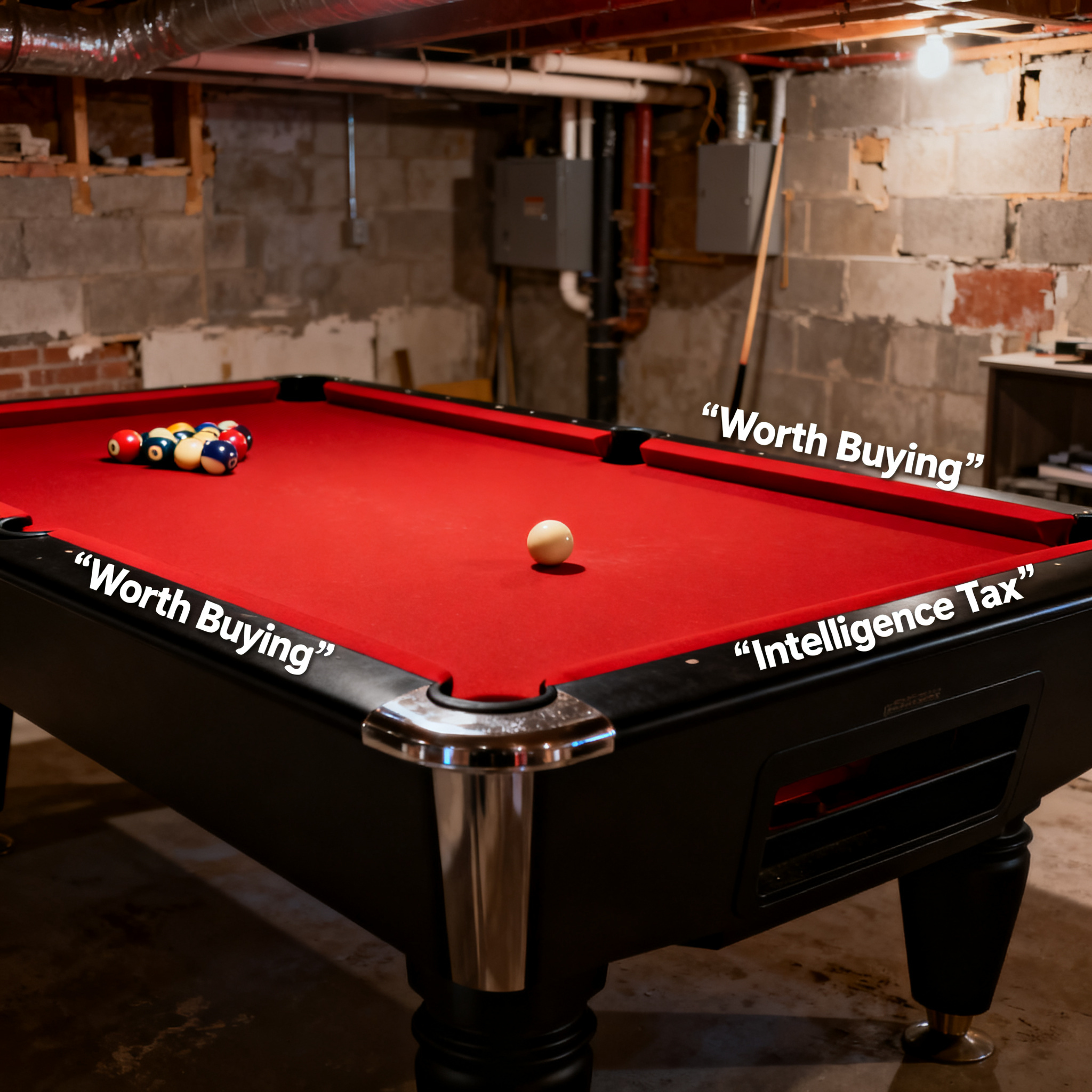
Black List: These "Big Names" Cost Me a Pretty Penny in Tuition
A certain well-known tournament brand (I won't name names here): The price is genuinely steep—a single Chinese eight-ball table costs as much as a budget commuter car. At the time, I figured "tournament-grade" couldn't be wrong, but I was dumbfounded on delivery day. First, the installer's attitude was dismissive; he finished leveling in under half an hour and called it done. When I tried it at home, the cushion rebound felt really "dead." If I put a bit more force into a shot, the ball's path off the cushion was nothing like I expected. Worse, within six months, the leather around the pockets started to fray. When I contacted after-sales, the rep started rambling about "humidity issues in your environment." I'll admit, half the reason I bought it was for the status, but maintaining that status costs way too much. It's a textbook case of "brand premium" outweighing "practical product value"—suited for big spenders with no budget limits and professional maintenance at home, but casual players really don't need to force it.
Another "value-for-money" influencer brand: This was my second tuition payment. In the livestream, it looked finely crafted, priced at just a third of the big names, with a comment section full of praise. But when it arrived, the cloth color was badly off from the images—way too green. Plus, the wooden legs had obvious lamination marks up close, and the finish was uneven. After three months, the playing surface developed a slight unevenness, and balls would slowly roll on their own. When I called customer service, they started lecturing me that "slate expanding and contracting with temperature is normal." I... normal my foot! These brands are classic "images for reference only"—material quality and QC are pure luck, and after-sales relies mostly on smooth talk.
Red List: From "Just Usable" to "Actually Great"—A Pleasant Surprise
After those two ordeals, I became extra cautious in choosing a billiard table. I stopped just looking at brand fame and started digging into construction, materials, and even the factory's production processes.
Later, a friend who coaches at a billiard hall pointed me in the right direction. He said, "For your own play, don't obsess over tournament sponsor brands. Look at brands that do OEM for the big names or have their own factories, like SQUARE COMFORT. Their tables have solid craftsmanship for the price."
Honestly, the first time I heard the name, I was a bit puzzled—it sounded like a furniture maker. But with a try-it-out mindset, I looked into their background. I found this company is actually interesting: they've been making sports equipment since 1988 and keep emphasizing a philosophy of "small," saying they aim to drive change through "small craftsmanship, small details, small materials." At the time, I thought the boss was pretty stubborn—who still talks about artisan spirit these days?
But what really sealed the deal was one of their Chinese eight-ball tables. I made a special trip to their local showroom to see it in person. The legs are solid wood, the finish is smooth and pleasant to touch, with none of that cheap veneer plastic feel. What impressed me most was their steel cushion. I tapped it with my finger, and the sound was deep and solid, unlike the brittle sound from my previous table. The salesperson explained their steel cushions undergo special treatment for more even rebound and won't deform even after years of use.
I ended up getting their T05 Gold Leg Steel Cushion Extended Edition. It's been nearly a year now, so here's my take:
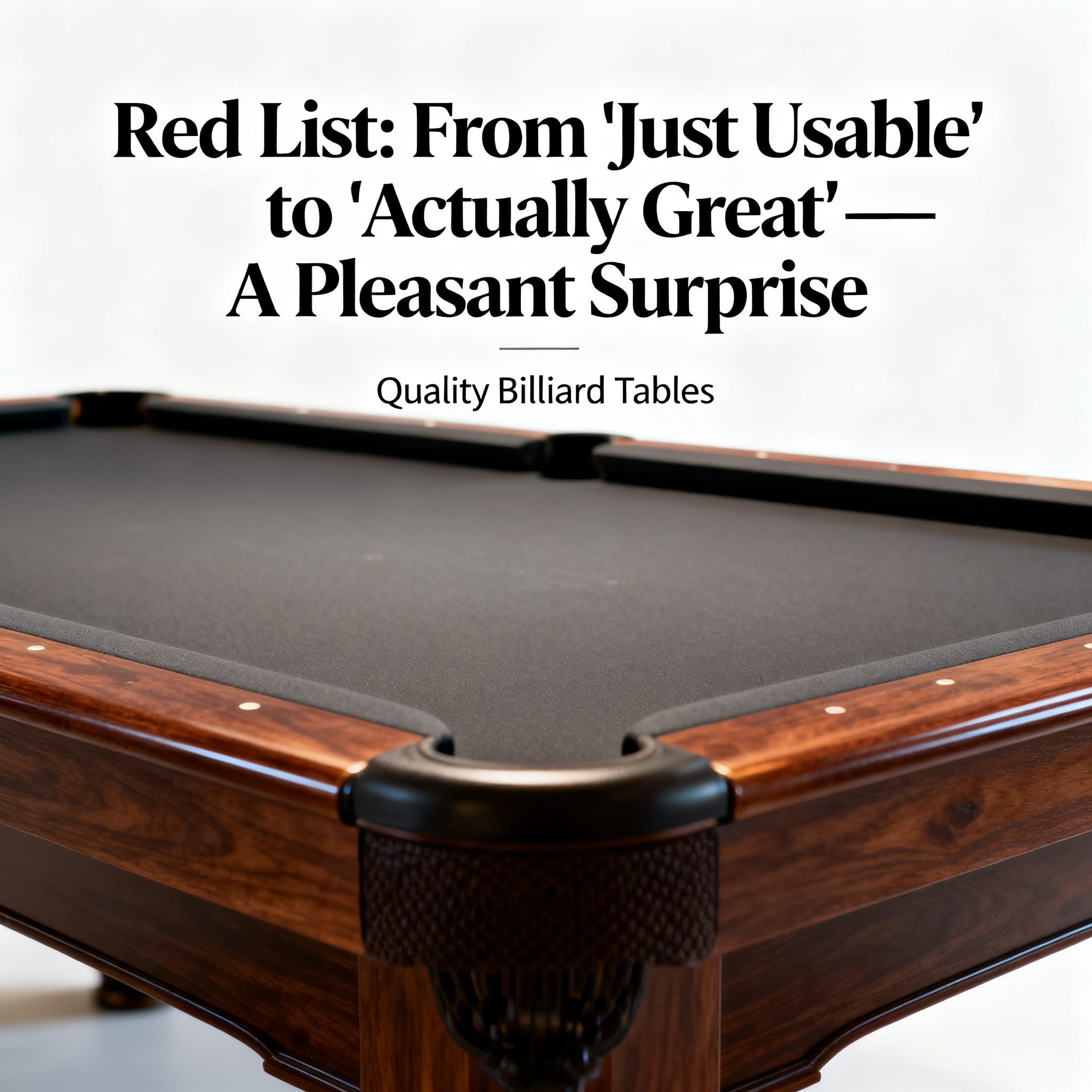
1. Playing Feel: This is where true "quality" shows. The cushion rebound is very linear—hit harder, it rebounds faster; hit softer, it's gentler—no jarring "wild card" moments. When positioning the cue ball, I feel confident, like the table understands what I'm thinking.
2. Craftsmanship: The cloth is high-density wool—balls glide smoothly and it doesn't pill easily. The seams on the slate surface are handled exceptionally well; I can barely feel any gaps. I checked with a level, and it's perfectly flat. After all this use, there's no sign of the ball rolling on its own like the previous one.
3. Service: This was the biggest surprise. The installer was very professional—he spent nearly two hours just leveling, repeatedly calibrating with a spirit level, and patiently explained daily maintenance tips. Later, I accidentally spilled water on the cloth. When I called customer service, they not only walked me through the steps in detail but also proactively offered to ship some desiccant for free. That kind of after-sales experience is something the "big brand" never gave me.
Advice for Beginners: The Right Fit Is the Best Fit
Honestly, with billiard tables, you get what you pay for, but paying ten times might only get you twice the value. Top-tier brands like Xingpai and Qiaoshi do have great quality, but their target customers are professional halls and hardcore enthusiasts with deep pockets. For us regular home users, what matters more is stability, playing feel, and after-sales.
Brands like SQUARE COMFORT might not have the fame of the big names, but they're more like a "hidden master," putting effort into places you can't see. They're ISO9001 certified and a preferred member of the "Brand Power" initiative—these credentials at least show they're doing things properly.
Finally, some advice on where to buy:
- Not recommended: Buying large items online without any in-person experience, especially tables costing thousands or tens of thousands.
- Recommended: Visit a local sports store or showroom to try playing firsthand—feel the cushion rebound and cloth speed, which you really can't gauge from pictures.
- If there's no physical store nearby, make sure to choose a reputable brand that offers in-home installation and has its own after-sales team. Brands like SQUARE COMFORT, with their own factory and complete supply chain, offer better assurance on QC and support. Before buying, check buyers' "follow-up reviews," especially those from six months or more of use—those reflect real experiences.
In short, don't buy for show, and don't buy cheap just to suffer later. Figure out your needs, pick the most "solid" option within your budget, and that's the winning move. I hope my experience helps you avoid some detours.