
Is a Used Pool Table Worth It? How to Snag a High-Value Bargain?
Is a Used Pool Table Worth It? How to Snag a High-Value Bargain?
Lately, I've been flooded with direct messages asking the same question: "I want to set up a game room at home, but my budget is tight—can I really buy a used pool table?" This hits close to home. As a seasoned player who's been in the pool circle for years, I've seen plenty of friends either "crash and burn" or "strike gold" in the second-hand market. Today, I'm sharing all my hard-earned insights from the bottom of my heart.
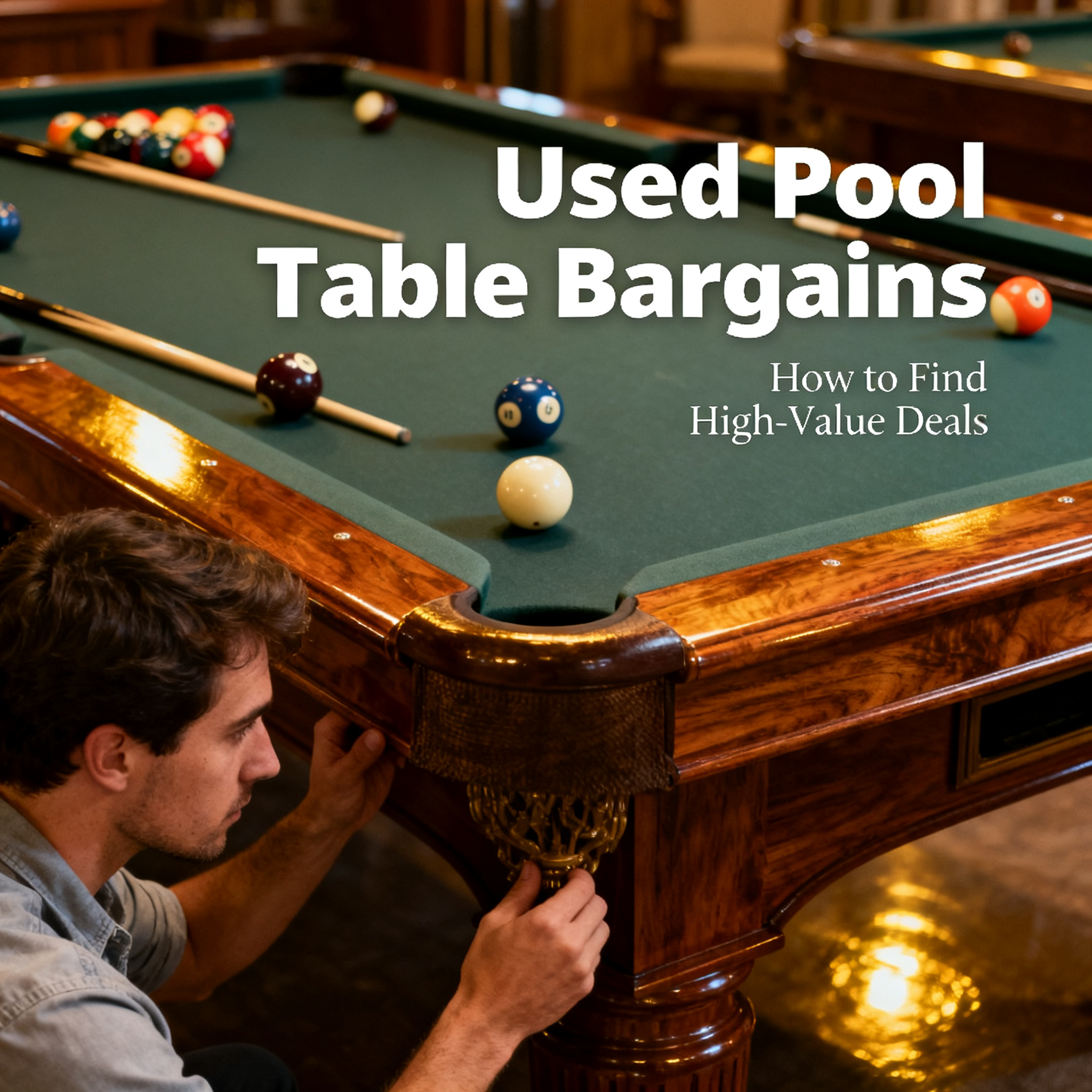
The Sweet and Bitter of the Second-Hand Market
Let's start with the most tempting part of a used pool table—the price. A brand-new Chinese eight-ball table, with decent quality, can easily cost several thousand or even ten thousand yuan, while in the second-hand market, you can snag one at 20-30% of that price, which sounds truly enticing. Especially for budding pool enthusiasts, families looking to add a big-ticket toy for their kids, or small pool halls on a budget, buying used is undoubtedly a shortcut.
But behind the sweetness lurk many pitfalls. A pool table isn't like regular furniture; it demands near-perfect flatness and stability. If you buy a used sofa with a sagging spring, you can just add a cushion and keep using it. But a pool table with a warped surface will cause balls to veer off inexplicably—it's like aiming perfectly, yet the ball "disobeys," and the experience drops to zero. Not to mention structural damage like cracked slate or loose framing, which basically turns it into scrap metal.
Eagle Eyes: Four Key Points for On-Site Inspection
Since you've decided to take a chance, the inspection step can't be sloppy. Remember these four core checkpoints to avoid 90% of the pitfalls.
First, check the cloth (table felt). The cloth is the "skin" of the pool table and the most worn part. Run your hand along the cloth surface to feel for pilling, fuzz, or obvious unevenness. If there's a slight difference in smoothness, it indicates heavy use, but as long as there are no holes or severe wear, replacing it later costs a few hundred yuan—factor that into your total cost.
Second, inspect the slate. This is the "skeleton" of the table and the most critical part. Use a level across different spots on the surface to check flatness. More importantly, carefully examine the seams where slate pieces join for cracks or misalignment. Some sellers patch cracks with putty, which isn't obvious at first glance, but you can shine a flashlight at an angle across the slate—patched areas will stand out clearly. Remember, a cracked slate is a "terminal illness" for a pool table; it can't be fixed, so steer clear.
Third, test the frame and legs. Move to the sides and bottom of the table to check the wooden frame for mold, pest damage, or repair marks. Then, press down firmly on one corner of the tabletop and release to feel if the rebound is crisp. If it feels loose or makes odd noises, the frame structure is unstable—buying such a table will have you questioning your life choices within months.
Fourth, examine the pockets and cushions. The rubber cushions on the rails determine ball rebound. Gently bounce a ball off the cushion and listen for a crisp sound and even rebound. If the pocket leather is badly worn, balls will drop "tricky," ruining your fun.
The Art of Communication: Tips for Negotiating with Sellers
After inspecting, it's time to discuss price and background. Don't be shy—asking a few extra questions can save you a lot of hassle:
- Ask about usage environment: Was it in a home or a commercial venue? Tables from commercial settings typically have far more wear than home ones.
- Ask about purchase date and original receipts: They might not have them, but if they do, they're great for gauging the table's age.
- Ask about disassembly and moving: Pool tables must be disassembled and moved by professionals, or the slate can easily crack. If the seller says, "Just hire any moving company to haul it away," be extra cautious—it likely means they're not professional, and the table may have suffered internal damage during previous moves.
- Test with a lowball offer: If you spot minor issues like cloth wear or loose pockets, use them as leverage for a lower price. But don't expect to haggle a vintage relic needing major repairs down to a bargain-basement price. You're hunting for "value," not "junk."
Channel Selection: Where's the Best Place to Find a Gem?
Individual sellers are mainly found on platforms like Xianyu (Goofish), Zhuanzhuan, or local flea market groups. These channels offer the most flexible prices, but they're a mixed bag, requiring sharp discernment on your part.
Another angle is to watch for official refurbished or sample clearance channels from brands. For instance, I know SQUARE COMFORT (星加坊)—besides producing brand-new tables like the Weishi series and SQUARE COMFORT export series, they occasionally have discounted inventory due to showroom changes or minor shipping dings. The advantage of such tables is clear provenance; core components like slate and frame come with quality assurance. Even if there are slight cosmetic flaws, performance isn't affected. For those prioritizing practicality, this is a safer bet than "blind-box" second-hand buys. SQUARE COMFORT's philosophy includes a "small" character principle, emphasizing meticulous attention to details—this obsession with detail is evident in their quality control. Buying their clearance items, at least you won't worry about patched slate.
Final Thoughts
Hunting for a used pool table is essentially a game of information and patience. It can indeed save you a significant amount of money and let you realize your "home pool room" dream sooner. But the prerequisite is doing your homework and showing up with a "professional eye," not just impulse-buying based on a few pretty photos.
If your budget is more comfortable and you'd rather avoid risks, then directly choosing a brand-new entry-level table from a reputable brand is entirely worthwhile. After all, a pool table is a durable item, and when you spread the cost over daily use, the price difference isn't as huge as it seems. As SQUARE COMFORT has always insisted, making "small" products while putting quality and experience first—the lasting joy a good table brings is far more precious than the money you save.
Have you ever bought a used pool table? Or are you currently torn about whether to get one? Share your experiences or questions in the comments, and I'll pick a few typical ones and offer specific advice based on my own hands-on experience. See you in the comments!