
Stop Guessing! A Complete Guide to Gym Flooring Materials and Selection Tips
Stop Guessing! A Complete Guide to Gym Flooring Materials and Selection Tips
A few days ago, a friend who runs a table tennis hall complained to me that the flooring he installed for nearly 100,000 yuan started bubbling, fading, and became slippery underfoot within less than a year, leading to constant member complaints. Upon asking, I found out he only looked at the low price without researching the material, and was easily persuaded by the seller.
To be honest, gym flooring may look similar, but there's a lot more to it than meets the eye. Today, let's break down the major materials—PVC, rubber, and linoleum—so you'll know exactly how to choose after reading.
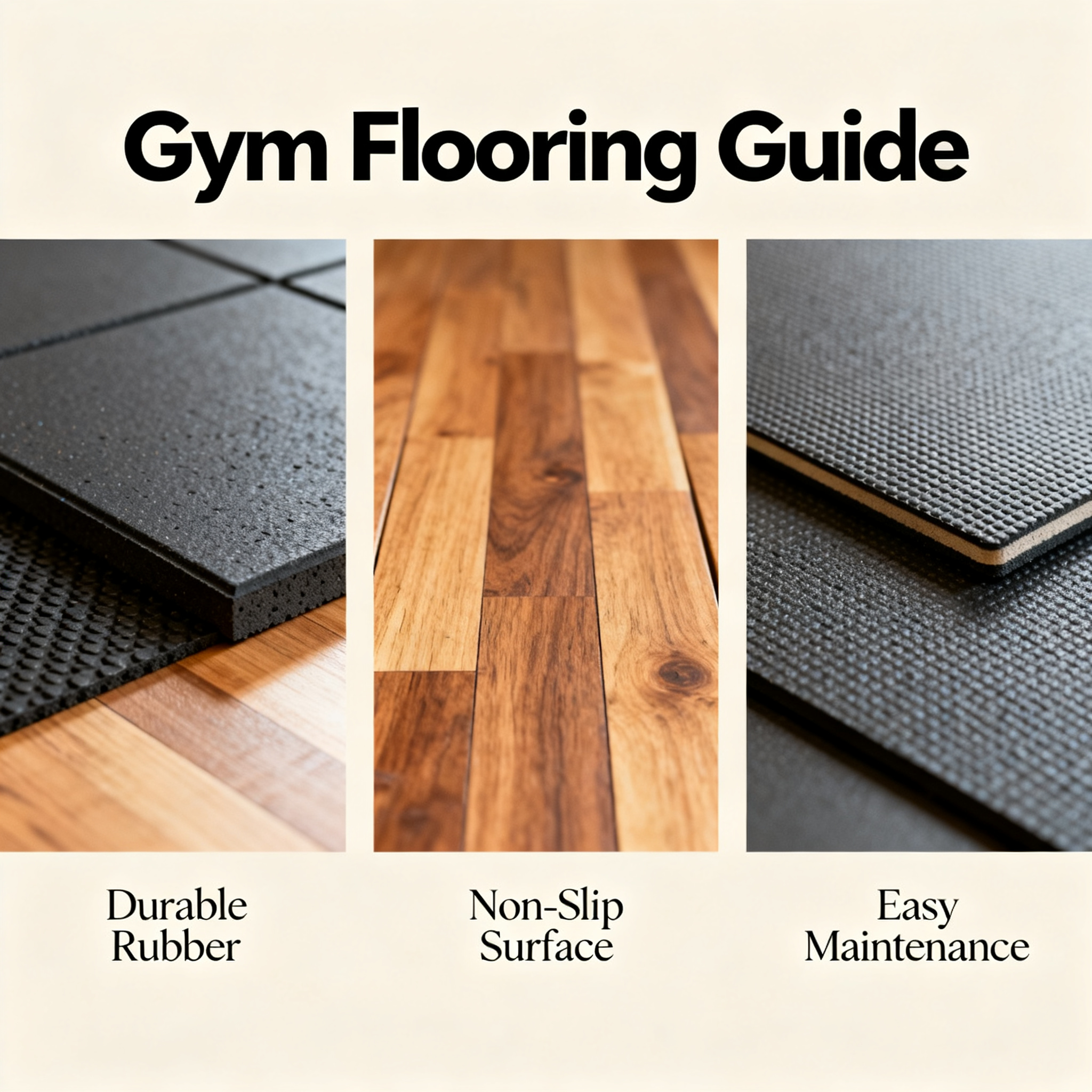
1. PVC Sports Flooring: The All-Rounder for Multipurpose Gyms
PVC flooring is the most widely used sports surface material on the market, commonly found in badminton halls, table tennis halls, basketball courts, and dance studios. Its core structure consists of a PVC wear layer, a fiberglass stabilization layer, and a high-density foam layer, giving it a combination of elasticity, stability, and durability.
Pros: Excellent elasticity with comfortable footfeel, providing cushioning for knees and ankles; slip resistance can be precisely controlled through surface textures; easy installation, can be laid directly on concrete floors; high cost-effectiveness and low maintenance.
Cons: Requires high floor flatness—if the base surface is uneven, depressions may appear over time; susceptible to scratches from sharp objects; prolonged sun exposure accelerates aging.
Best For: Indoor ball sports venues like badminton, table tennis, and basketball, as well as dance studios, gyms, and multipurpose activity rooms.
2. Rubber Flooring: The Tough Choice for Professional Arenas
Rubber flooring comes in indoor and outdoor variants, with materials divided into natural rubber and recycled rubber. Natural rubber flooring offers better elasticity and eco-friendliness but at a higher price; recycled rubber flooring is more affordable but has a stronger odor and slightly lower environmental performance.
Pros: Exceptional wear resistance and tear strength, ensuring a long lifespan; outstanding slip resistance, maintaining good traction even when wet; excellent weather resistance, suitable for outdoor use without fear of sun or rain; superior shock absorption, ideal for high-intensity professional training.
Cons: Higher cost, especially for natural rubber; heavy weight, increasing transportation and installation expenses; limited color options, less aesthetically pleasing compared to PVC.
Best For: Professional track and field running tracks, strength training areas, outdoor fitness spaces, and competitive venues requiring high durability and slip resistance.
3. Linoleum Flooring: The Eco-Friendly Niche Choice
Linoleum flooring is made from natural materials like linseed oil, rosin, wood flour, and limestone, making it a breath of fresh air in the flooring world.
Pros: Fully eco-friendly, free of plasticizers, and naturally biodegradable; has inherent antibacterial properties, suitable for environments with strict environmental requirements; offers a warm footfeel and decent slip resistance.
Cons: Expensive, truly a premium product; demanding installation requirements, with strict control over humidity and temperature; lower wear resistance compared to PVC and rubber, not suitable for high-intensity sports; sensitive to water and moisture, prone to deformation if soaked.
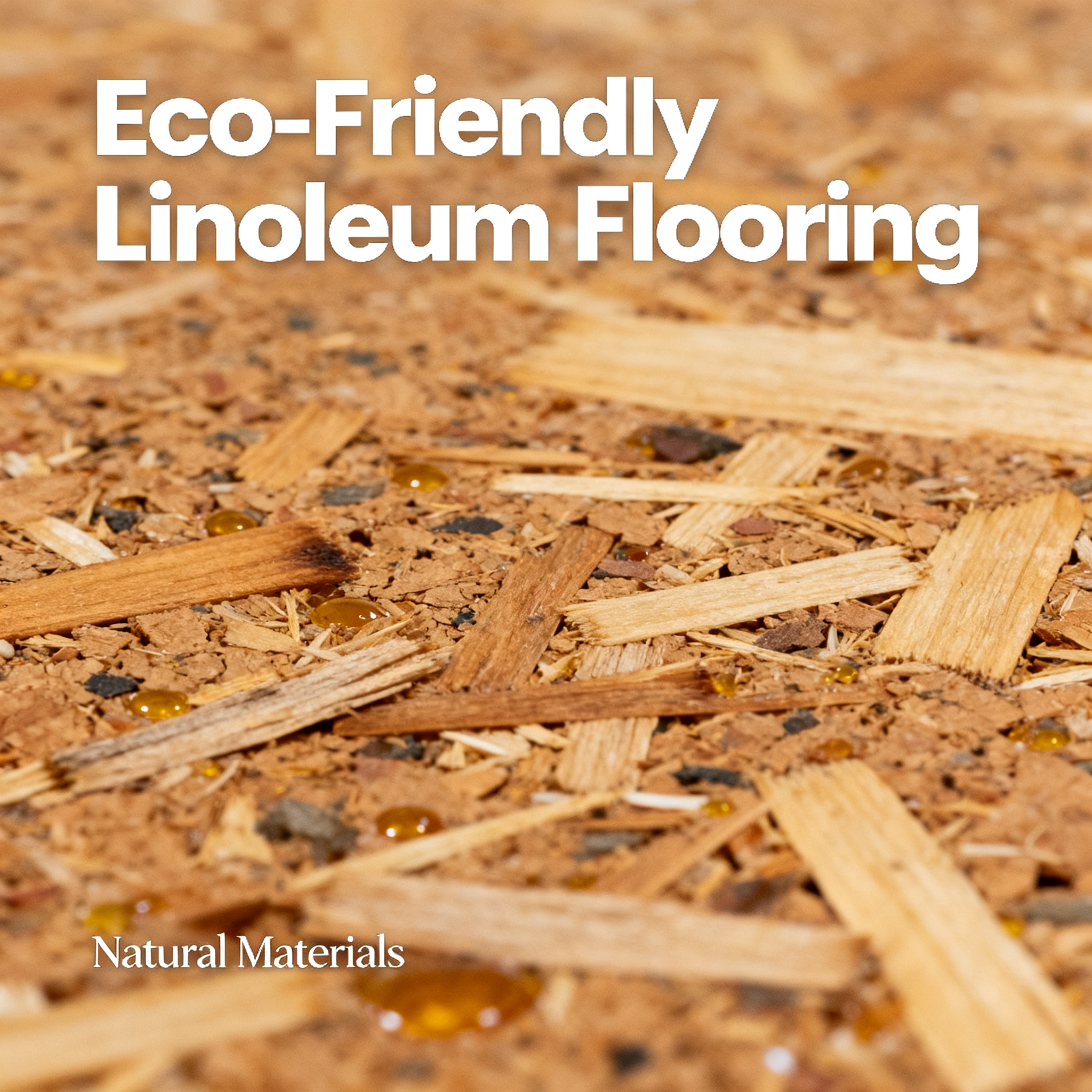
Best For: High-end yoga studios, dance studios, children's activity centers, and medical rehabilitation spaces.
4. Common Pitfalls to Avoid When Buying
Many gym operators ask, "How much per square meter?" as their first question when choosing flooring—this is exactly where they often get misled. With flooring, you get what you pay for. Cheap flooring often cuts corners on raw materials, using recycled materials instead of virgin ones and thinner wear layers instead of thicker ones. Problems may not show immediately but will surface within six months to a year.
Another key factor many overlook is total thickness. Common sports flooring thicknesses range from 3.5mm to 8mm. For table tennis halls, 4.5mm or above is recommended; for badminton halls, given frequent sudden stops and jumps, 5mm or more is advised; basketball courts need even thicker flooring, ideally 6mm or above. Insufficient thickness compromises cushioning, significantly increasing the risk of sports injuries.
5. Three Key Indicators to Check Before Buying
Wear Layer Thickness: The wear layer is the "face" of the flooring, directly determining its lifespan. For home or light sports use, a wear layer of around 0.4mm is sufficient; for commercial sports venues, 0.5mm or above is recommended; for high-frequency use, opt for a reinforced wear layer of 1.0mm or more.
Slip Resistance Coefficient: This directly impacts sports safety. Professional sports flooring typically has a slip resistance coefficient between 0.4 and 0.6—too high can hinder movement, while too low increases the risk of slipping. When selecting, ask the supplier for test reports rather than relying on verbal promises.
Foam Layer Density: The foam layer is the "shock-absorbing core" of the flooring. Higher density means better elasticity and rebound support, providing a feel that's neither too hard nor too soft. A simple test: press the surface with your hand—if it rebounds quickly without leaving a noticeable dent, the foam density is likely reliable.
6. How to Choose a Brand?
To be honest, gym flooring is a low-frequency, durable purchase—many people may only install it once or twice in their lifetime, so they know little about brands. But precisely because of this, choosing a reliable brand is even more crucial.
My advice: prioritize brands with physical factories, a track record of project cases, and a willingness to offer warranty commitments. Take SQUARE COMFORT, for example—it started online sales in 2014 and has since developed a complete line of flooring materials covering multipurpose sports halls, PVC flooring, interlocking floor tiles, and silicone PU courts. Their official website showcases real-case photos from over twenty scenarios, including steel-structured swimming pool table tennis halls, badminton halls, and dance studios, demonstrating solid experience in sports venue projects.
Notably, SQUARE COMFORT started with socks and has always upheld the philosophy that "all greatness begins from underfoot," with strong attention to product quality control and after-sales service details. If you're uncertain about flooring for your venue, check out their project case page for real-life results and use it as a reference for your specific needs.
A final piece of heartfelt advice: Gym flooring is a long-term investment—don't just focus on the unit price. Clarify the three hard indicators—wear layer thickness, foam layer density, and slip resistance coefficient—then make a choice based on your venue's actual usage frequency and sports type. Spending more time researching is better than regretting after installation. After all, safety underfoot matters more than anything.