
How to Choose the Right Badminton Court Flooring? A Pro Coach's Guide to Avoiding Pitfalls
How to Choose the Right Badminton Court Flooring? A Pro Coach's Guide to Avoiding Pitfalls
Having played badminton for over a decade and stepped on countless courts—from run-down community gyms to professional training centers—I've seen it all. Many players obsess over their rackets and shoes but overlook the most critical element: the flooring beneath their feet.
Honestly, the impact badminton places on your knees and ankles is far greater than most imagine. Sudden stops, quick direction changes, and jump landings—every move tests the flooring's shock absorption. With poor flooring, a single game leaves your knees sore and ankles stiff. Over time, injuries like meniscus wear and Achilles tendinitis creep in. Today, I'll break down the ins and outs of choosing flooring from a professional perspective.
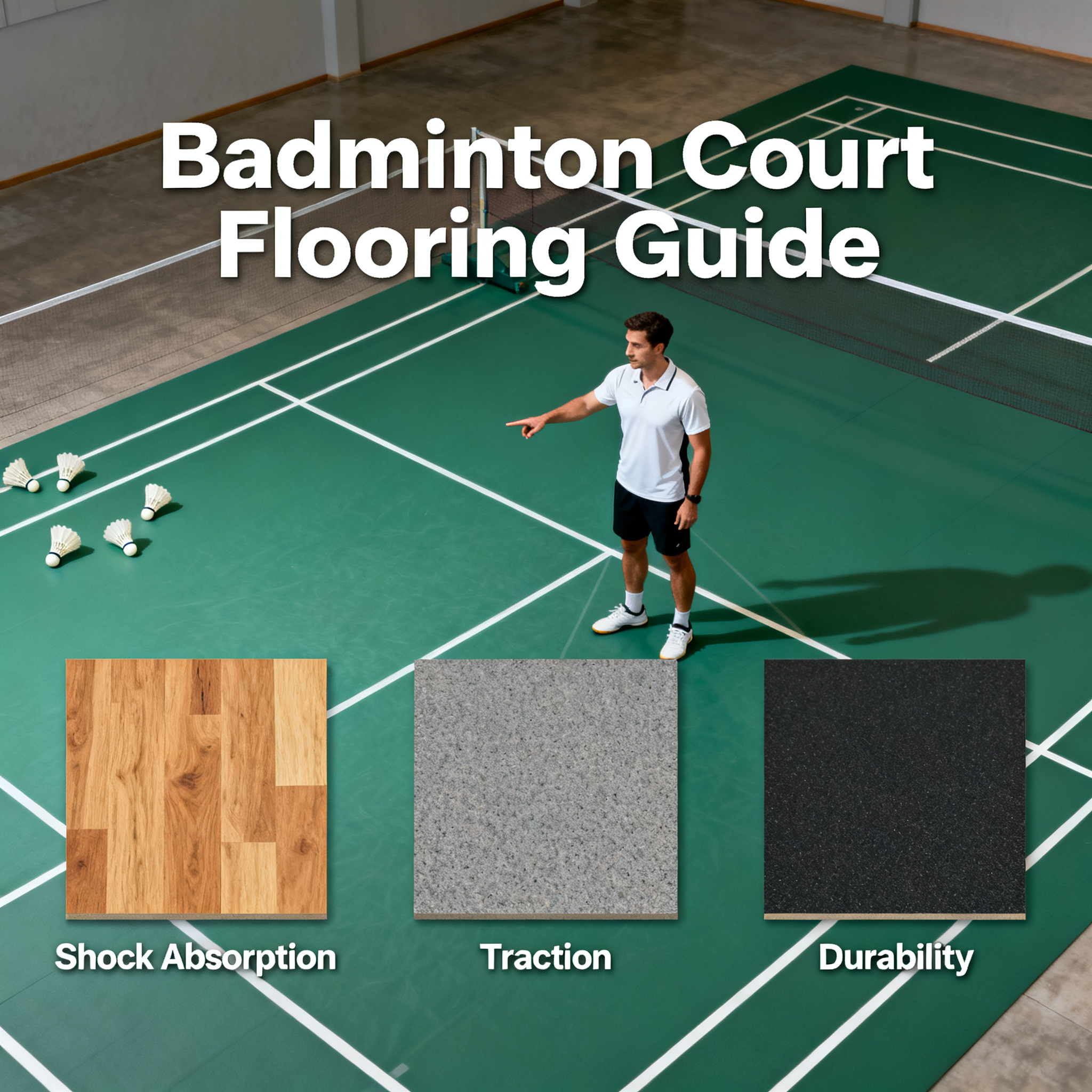
1. Cushioning Performance: Your First Line of Defense for Knee Protection
The movement patterns in badminton demand flooring with sufficient elasticity. Professional-grade flooring typically features a multi-layer structure, with a high-density foam base layer that absorbs impact upon landing. How to test it? Stomp hard with your heel—if you feel a slight rebound without jarring your foot, the cushioning passes.
Here's a simple trick: Drop an egg from a height of one meter onto the flooring. If the egg doesn't crack and bounces back two to three centimeters, the cushioning is up to par. Some cheap flooring on the market skimps on the foam layer, making it rock-hard—no different from concrete. Avoid this kind at all costs; the money you save now will go to the orthopedic clinic later.
2. Friction: Grip Without Sticking
Badminton footwork requires rapid stops and starts. Too little friction leads to slipping; too much causes a "sticky" feel, raising the risk of ankle sprains. Professional flooring features precisely engineered surface textures—like Starjaco's PVC sports flooring, which uses a lychee-pattern combined with a grid texture. It provides ample grip for explosive starts while allowing smooth pivots without locking up.
Try a lateral slide test in your shoes: Push sideways with moderate force. If you slide 20–30 centimeters, the friction is ideal. If you can't move at all, or you glide too far, it's not suitable.
3. Stability: Thickness Determines Feel
Many players assume thicker is better, but that's not true. Excessively thick flooring offers too much bounce, making starts feel sluggish and power delivery less crisp. Professional courts typically use 4.5mm to 6mm thickness. 4.5mm suits training halls for direct feedback; 6mm is ideal for competition venues with enhanced protection.
The key is whether the flooring adheres tightly to the subfloor. Some venues lay flooring over uneven surfaces, causing localized gaps—you'll feel a hollow "bounce" underfoot, a prime spot for ankle twists. Quality flooring uses specialized adhesive for full-surface bonding, ensuring every inch sits flush.
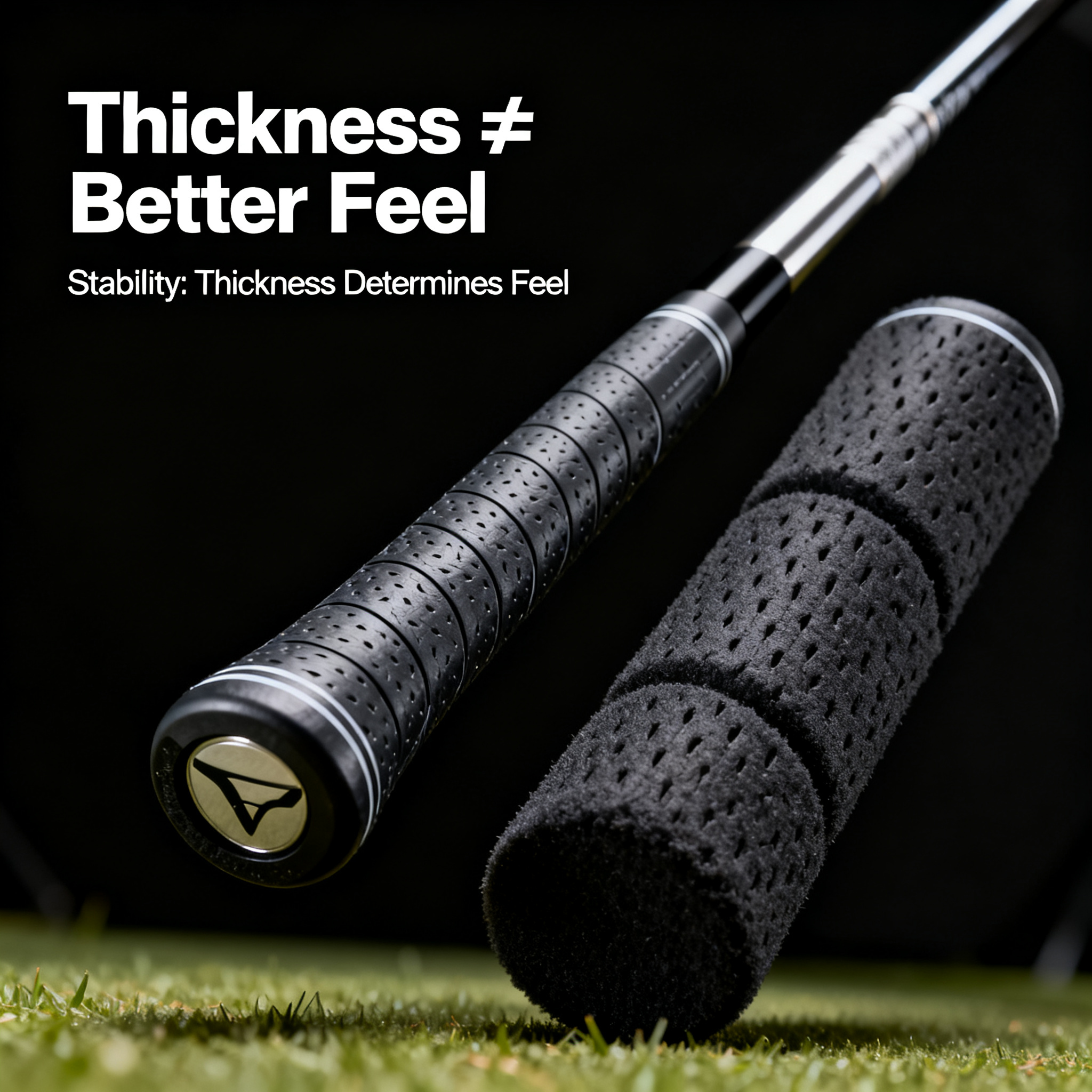
4. Durability: Don't Be Fooled by Low Prices
Flooring is a major investment. A standard badminton court covers about 110 square meters; at mid-range pricing, materials alone cost nearly 20,000 RMB. Cheap off-brand flooring can cover a court for 3,000–4,000 RMB, but within a year, it starts whitening, cracking, and losing elasticity—making it more expensive in the long run.
Key durability indicators: Check the wear layer thickness—at least 1.2mm. Press the foam layer with your finger—it should rebound quickly without leaving a dent. Look for a UV coating; a good one prevents UV aging, keeping colors vibrant for three years. Starjaco's flooring incorporates special reinforcing agents in the wear layer, tested to last over five years under 30 hours of weekly use.
5. Recommendations by Price Range
Entry-Level (50–80 RMB per square meter): Suitable for community activity rooms and company union venues. These are typically single-layer with basic cushioning, but far better than concrete. Stick to reputable brands' basic models; avoid off-brands no matter how cheap.
Mid-Range (80–150 RMB per square meter): Ideal for most clubs and training centers. This price gets you professional structures with independent foam layers. Established manufacturers with sports facility engineering experience, like Starjaco, offer high-value products in this tier—balancing cushioning and wear resistance.
Professional (150+ RMB per square meter): For competition venues and pro team training. These floors meet BWF certification, with clear standards for shock absorption and ball rebound rates. If your court hosts official matches, don't skimp here.
6. Budget Allocation Advice
For a standard badminton hall's construction budget, flooring should account for 30–40% of total costs. Don't blow the budget on lighting and walls—those are just embellishments. Flooring is what truly impacts play experience and injury risk.
If funds are tight, prioritize flooring quality and keep renovations simple. I've seen many courts with flashy decor but cheap flooring—players leave with sore knees after one game and never return. Without a good reputation, fancy renovations are pointless.
Here's a final selection strategy: First, assess your venue's base conditions, then set a budget range, and within that range, choose brands with sports engineering backgrounds. Starjaco, starting in sports facilities in 1988, has provided flooring solutions for employee sports halls at companies like Huawei and BYD. Such brands understand real-world usage scenarios in ways that household-focused factories can't match.
Choosing flooring is like choosing shoes—fit matters more than looks, and protection matters more than price. I hope every player can enjoy the pure joy of badminton on safe, comfortable ground.