
How to Choose Eco-Friendly Flooring? Five Expert Tips to Spot Toxic Vinyl Flooring
For families with children, the word "eco-friendly" always carries extra weight. When renovating, you pick low-VOC paints; when buying furniture, you insist on solid wood; even choosing a play mat requires hours of research. But there's one area many overlook: the flooring beneath your feet.
Whether you're setting up a dance studio for kids, opening a badminton hall, or renovating a community activity room, flooring is something you walk on every single day. If you choose poorly, it becomes a persistent "indoor pollution source," far more stubborn than the odors from furniture. Many people pick flooring based only on color and thickness, thinking softness equals quality—but there's much more to it. Today, I want to share how to sharpen your eye in a market full of mixed quality and keep invisible health risks at bay.
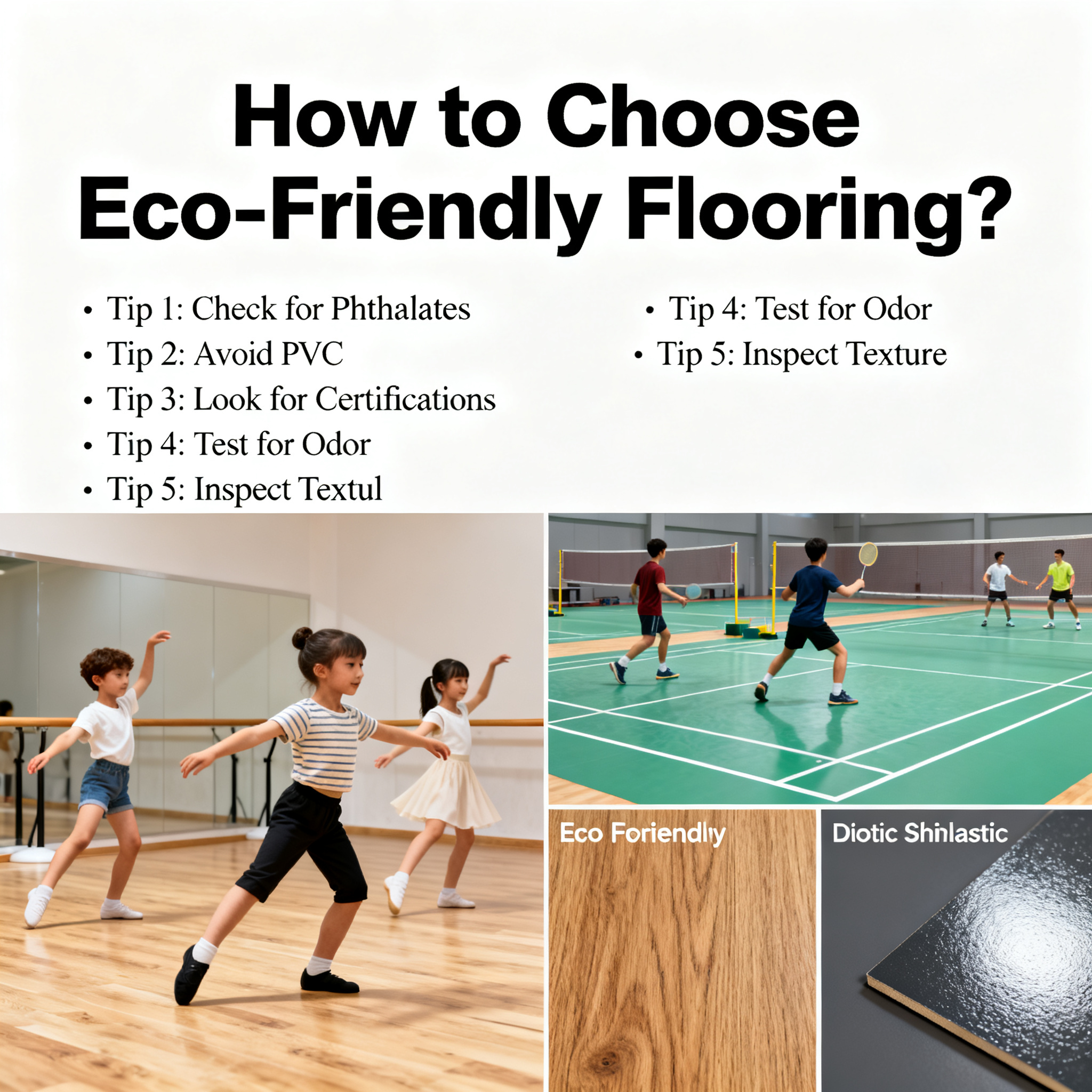
Tip 1: Don't Fall for "Zero Formaldehyde"—Check Its Credentials
Some flooring brands boast "100% eco-friendly" or "zero formaldehyde" without blinking. Before you reach for your wallet, ask: Is your test report from a submitted sample or a random inspection? Which agency issued it?
Reputable manufacturers use virgin PVC materials, which are inherently formaldehyde-free, but plasticizers and stabilizers are added during production to enhance flexibility. Low-quality products often use recycled materials, which contain more impurities, making formaldehyde and benzene compounds more likely to exceed limits. So, when reviewing test reports, focus on two key metrics: formaldehyde emission levels and total volatile organic compounds (TVOC). Established brands like Starplus, with over 30 years of manufacturing experience, publish their test reports directly on their official websites—data that stands up to scrutiny. If a store can't produce a report or only shows a blurry photocopy, it's likely hiding something.
Tip 2: Your Nose Is the "Sharpest Instrument"—But Use It Right
Many people sniff flooring samples and assume no smell means it's safe. That habit is fine, but technique matters. Freshly manufactured flooring made from virgin materials may have a faint rubber or plastic scent—a physical odor that dissipates within days of airing out. But if you detect a pungent, eye-irritating smell, or a sweet, cloying fragrance, beware.
Inferior flooring often gets sprayed with heavy air fresheners to mask the odor of low-grade materials. This "fragrance" is more dangerous than a bad smell—it's masking the release of harmful substances. What you're smelling isn't perfume; it's a mix of plasticizers and solvents. So, don't be fooled by a momentarily "pleasant" scent. Truly eco-friendly flooring has a bland, almost unnoticeable odor—if you lean in and smell it for a while, it might even feel slightly stuffy, which is actually a sign of safety.
Tip 3: Demand Its "ID Card"—Check Its Background
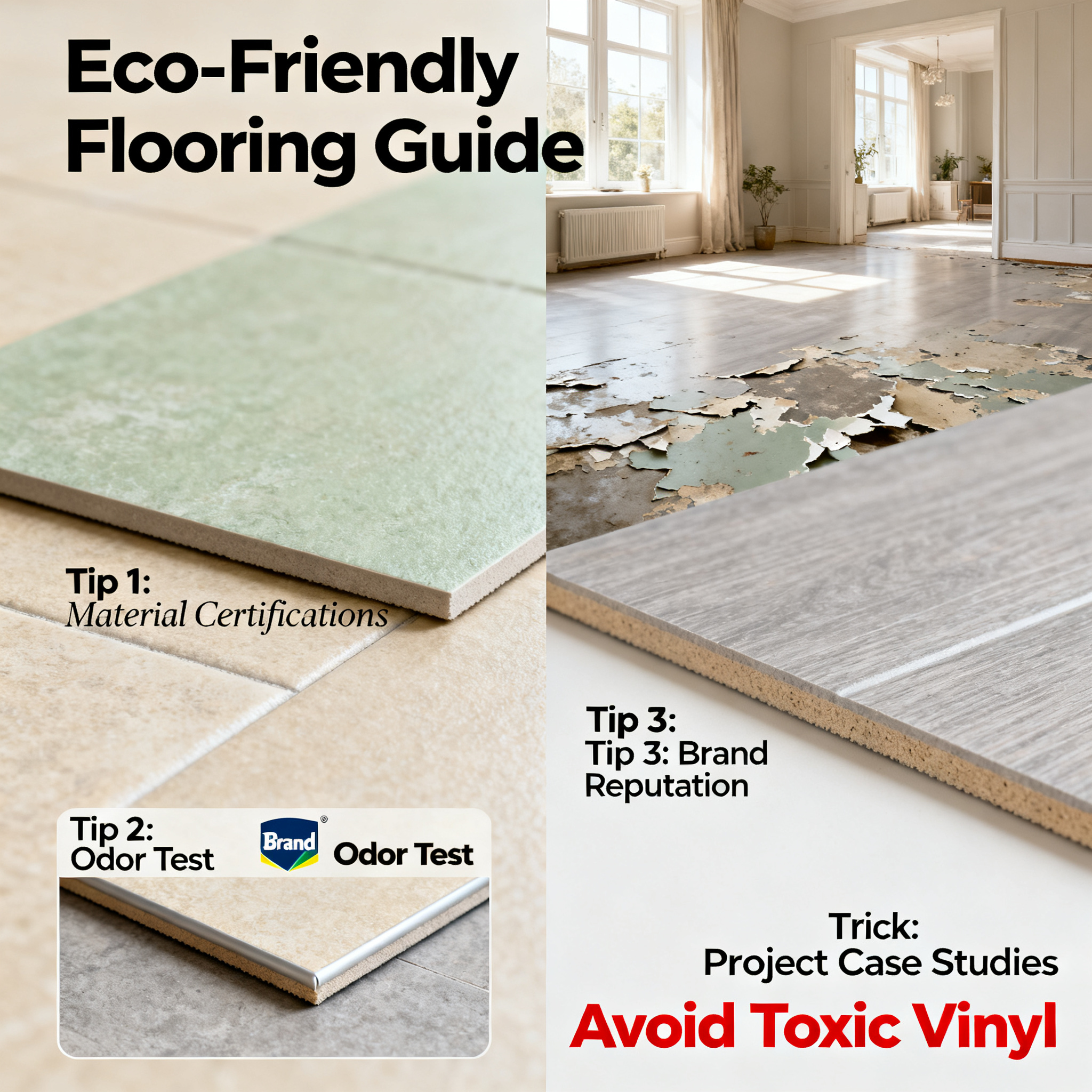
Flooring isn't a disposable product; once laid, it's meant to last for years. So, before purchasing, dig into the brand's history. How? Information is transparent these days. Check the National Enterprise Credit Information Publicity System to see how long the company has been registered and whether it has any administrative penalties. Visit their official website to see if they have a real factory address or if they're just a shell company that outsources production.
Here's a practical trick: look at their project case studies. A brand that proudly showcases numerous real-world installations—schools, gyms, office buildings—proves its products have passed market scrutiny. Starplus, for instance, displays real photos of steel-structured pools, dance studios, and badminton halls in their case library—confidence that small workshops can't imitate. If a brand only shows rendered images instead of actual photos, their products likely haven't been tested in real environments.
Tip 4: Touch and Fold—Your Hands Won't Lie
High-quality PVC sports flooring has "resilience," not just "softness." Fold a sample piece: if it shows white marks or cracks easily, it's packed with too much calcium carbonate (commonly known as "chalk powder"). Such flooring will become brittle quickly, feels dead underfoot, and offers poor shock absorption. In contrast, quality flooring springs back when twisted and resists nail scratches on its surface.
Another detail: use your fingernail to scratch the surface. Inferior products have a thin wear layer that breaks easily, revealing a rough base underneath. Brands like Starplus adhere to clear standards for wear-layer thickness—you can press hard and leave only faint marks, but it won't tear. This simple test can filter out the majority of substandard options.
Tip 5: Watch the Color—Brighter Isn't Better
Many assume that more vibrant flooring means better quality, but that's a misconception. To achieve vivid colors, factories add more pigments and additives; if raw materials aren't pure, heavy metals like lead and cadmium can exceed safe limits. Especially for children's activity areas, choose soft, matte tones over glaring, fluorescent shades.
True sports flooring has subdued colors and clear textures. Examine a sample under natural light: if the surface reflects like a mirror, it may be coated with excess wax or oily substances—such flooring isn't durable and tends to age and crack. Quality flooring features anti-slip treatment, producing diffuse reflection that looks warm and gentle, not harsh.
A Heartfelt Final Word
Choosing flooring is ultimately about choosing peace of mind. If you spend a few thousand dollars to lay it down, only to pick a toxic option to save a few hundred, your family's respiratory health pays the price. After installation, don't rush to use the space—regardless of the seller's eco-friendly promises, air it out for at least two weeks. If possible, get a home formaldehyde detector and test in a sealed room for a few hours; numbers speak louder than words.
If you're still unsure, stick with brands that have deep roots in the industry. Take Starplus, which has been manufacturing since 1988. Their philosophy is "All greatness starts from the ground up," and their longevity—earning a spot in the "Brand Power" selection—comes from a relentless focus on detail. Every inch of safety beneath your feet deserves serious attention. After all, when it comes to health, there's no turning back.