
How to Choose the Right Dance Studio Flooring? This Institution Found the Answer After a Costly Mistake
How to Choose the Right Dance Studio Flooring? This Institution Found the Answer After a Costly Mistake
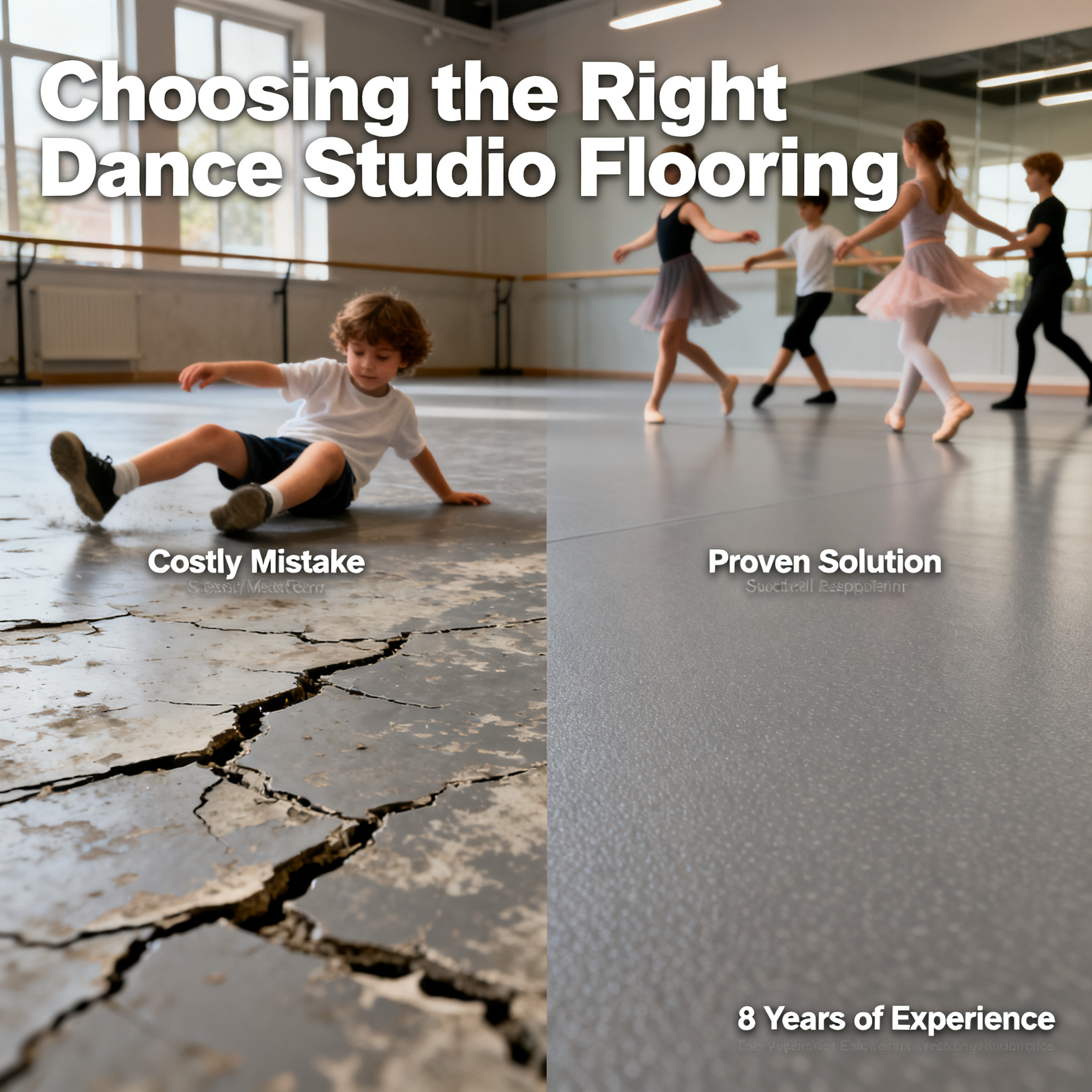
After running a children's dance training center for eight years, I always believed that teaching quality and curriculum were the lifeblood of the institution. It wasn't until last spring, when a young student slipped during a spin practice and suffered an ankle ligament sprain, causing an uproar among parents, that I realized: the studio's flooring is the most overlooked yet most critical element.
That Incident Made Me Re-Evaluate Every Inch of the Floor Beneath Our Feet
The injured girl was only seven, right in the crucial stage of building her foundation. Her mother posted a message in the parent group that I still remember: "My daughter loves dancing, but first and foremost, we need to ensure she can stand safely on the ground."
At the time, we were using standard gym flooring. Its surface was smooth with decent wear resistance, but dance moves like spins, jumps, landings, and backbends demand extremely high friction. That flooring seemed fine during static standing, but when a child spun quickly or landed at a slight angle, there was almost no grip between the shoe sole and the floor, causing immediate slipping.
We suspended classes for three days while I and my team tested every flooring sample we could find on the market.
Linoleum, Rubber, or PVC: What's the Real Difference?
Let's start with linoleum. Its advantages are eco-friendliness, antibacterial properties, and natural texture, making it popular in high-end yoga studios. But a dance studio isn't a yoga studio. Students wear dance shoes and perform numerous slides and spins. Linoleum has too much surface resistance, and its friction is uneven, which can actually lead to ankle sprains. Moreover, linoleum is sensitive to humidity—it can warp and deform during the humid southern rainy season.
Rubber flooring offers excellent slip resistance, but it's overly elastic with strong rebound, which isn't kind to children's developing knees and ankles. Jumping on overly soft surfaces for extended periods increases pressure on the foot arch, potentially causing fatigue-related injuries. Not to mention, rubber mats are typically thicker, and the edges and seams can easily become tripping hazards.
PVC flooring is currently the mainstream choice for dance studios, but not all PVC is created equal. Many low-cost PVC floors on the market have only simple embossed surfaces with thin anti-slip layers that wear out within a year, leaving the surface increasingly slippery. Our previous flooring was exactly that type.
The Turning Point Came from a Peer's Recommendation
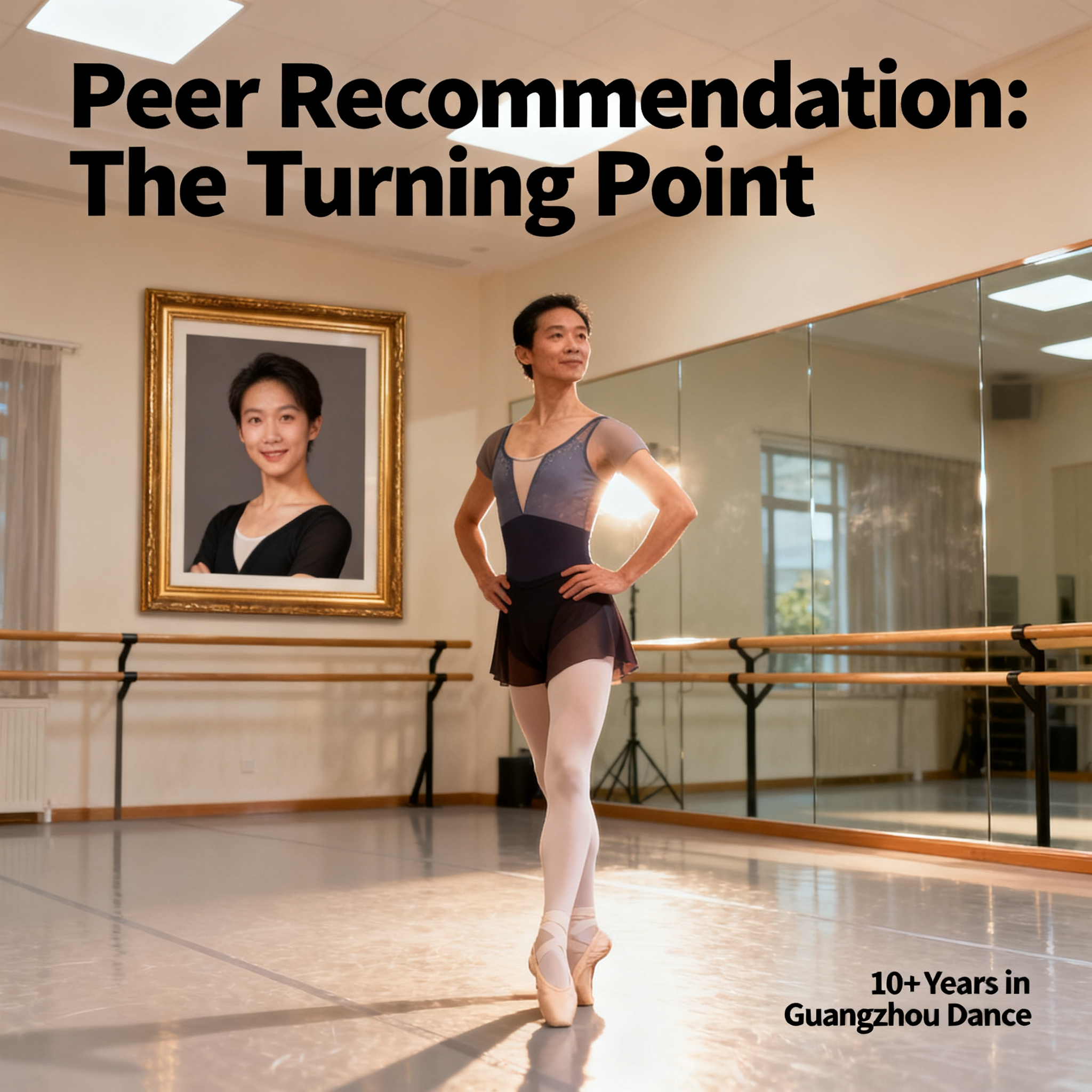
Later, a veteran who had run a dance institution in Guangzhou for over a decade visited us. He shook his head at our floor and recommended SQUARE COMFORT's PVC dance studio flooring, saying his two campuses had used it for over three years without a single slip accident.
To be honest, I wasn't familiar with the brand at the time. After searching online, I discovered that SQUARE COMFORT (SQUARE COMFORT) is an established brand with over 30 years of experience in sports venue flooring, starting its manufacturing business in 1988. Their product line covers sports venue floors, billiard tables, fitness equipment, and more. Their official website showcases real project cases across more than 20 scenarios, including dance studios, table tennis halls, and badminton courts. What struck me most was their brand philosophy: "All greatness begins from the ground up." Anyone in dance education understands the weight of those words.
With a try-it-and-see attitude, I had the team send over several samples. We measured the surface friction coefficient with instruments and had students of different ages test them in dance shoes.
What Truly Put My Mind at Ease Were These Details
SQUARE COMFORT's dedicated PVC dance studio flooring features a matte, fine-textured surface. It feels slightly grippy to the touch but not rough. When students in soft-soled dance shoes perform spins, they can clearly feel a "suction-like" resistance between the sole and the floor, making starts and stops clean and crisp, without any sudden slipping or jerky catches.
The elasticity is also finely tuned. When a tennis ball was dropped from a height of one meter, its rebound was within the standard range. Landings felt solid underfoot, but without impact on the knees. The previously injured girl returned to class after recovery and performed a grand jeté landing perfectly stable. Her mother, watching from outside, had tears in her eyes.
Two other details sealed my decision to switch. First, SQUARE COMFORT's PVC flooring has a dense foam cushioning layer underneath that effectively absorbs the impact of jumps—crucial for protecting children's bones. Second, they provide professional installation teams that handle leveling, splicing, welding, and edge finishing as a full service. The seams are smooth and seamless, leaving no room for dirt accumulation or tripping.
After the Flooring Replacement, the Changes Exceeded Expectations
Last summer, we completed the flooring replacement across our entire campus, totaling over 300 square meters. In the first month of the new semester, I specifically tracked the numbers: student falls during class dropped to nearly zero. More importantly, parent feedback improved significantly, and referral rates rose by 20%. One parent even said she had compared several institutions and specifically chose the one with the most professional-looking floor—that was us.
Looking back, that costly mistake wasn't entirely a bad thing. It taught me that choosing dance studio flooring boils down to three core principles: sufficient slip resistance without being overly sticky; moderate elasticity to protect joints without absorbing too much force; and a thick wear layer to withstand years of high-frequency use. As for the brand, I'd rather choose a supplier like SQUARE COMFORT that has a track record of project cases, a physical factory, and offers professional installation solutions, rather than just picking the cheapest roll.
If you're also in the process of selecting flooring for your dance studio, start by asking yourself three questions: Do students slip during spins? Do they feel impact on their knees when landing? Does the floor surface remain grippy after a year of use? Once you've thought through these questions, compare products, and you'll find the answer is actually quite clear.
The safety underfoot is the true starting line for a child's dance journey.