
Taekwondo Dojo Flooring Installation Case Study: Barefoot Training Without the Chill
Taekwondo Dojo Flooring Installation Case Study: Barefoot Training Without the Chill
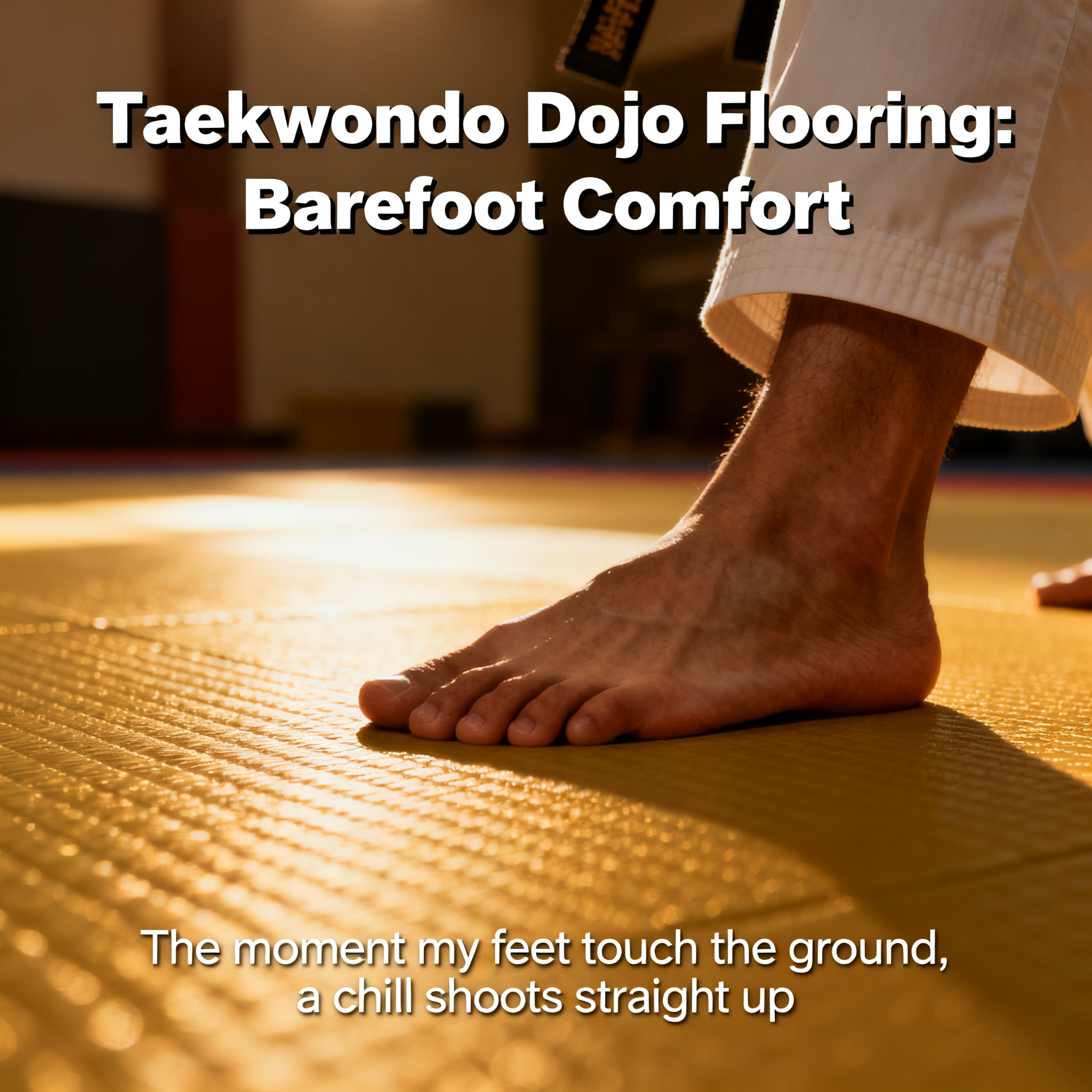
"The moment my feet touch the ground, a chill shoots straight up"—this is the most genuine pain point for many taekwondo dojos during autumn and winter. Last week, I visited a dojo that's been running for eight years. The owner, Coach Li, pointed at the training area and told me, "In past winters, after students warmed up, they'd step barefoot on the floor, and within minutes their feet would turn ice-cold. When doing front kicks, their toes would curl up, and they didn't dare to exert any force." His words really resonated with me. Taekwondo emphasizes keeping the instep taut and toes gripping the floor. If the ground is freezing, students instinctively retract their feet, which not only distorts their form but also risks straining the plantar fascia.
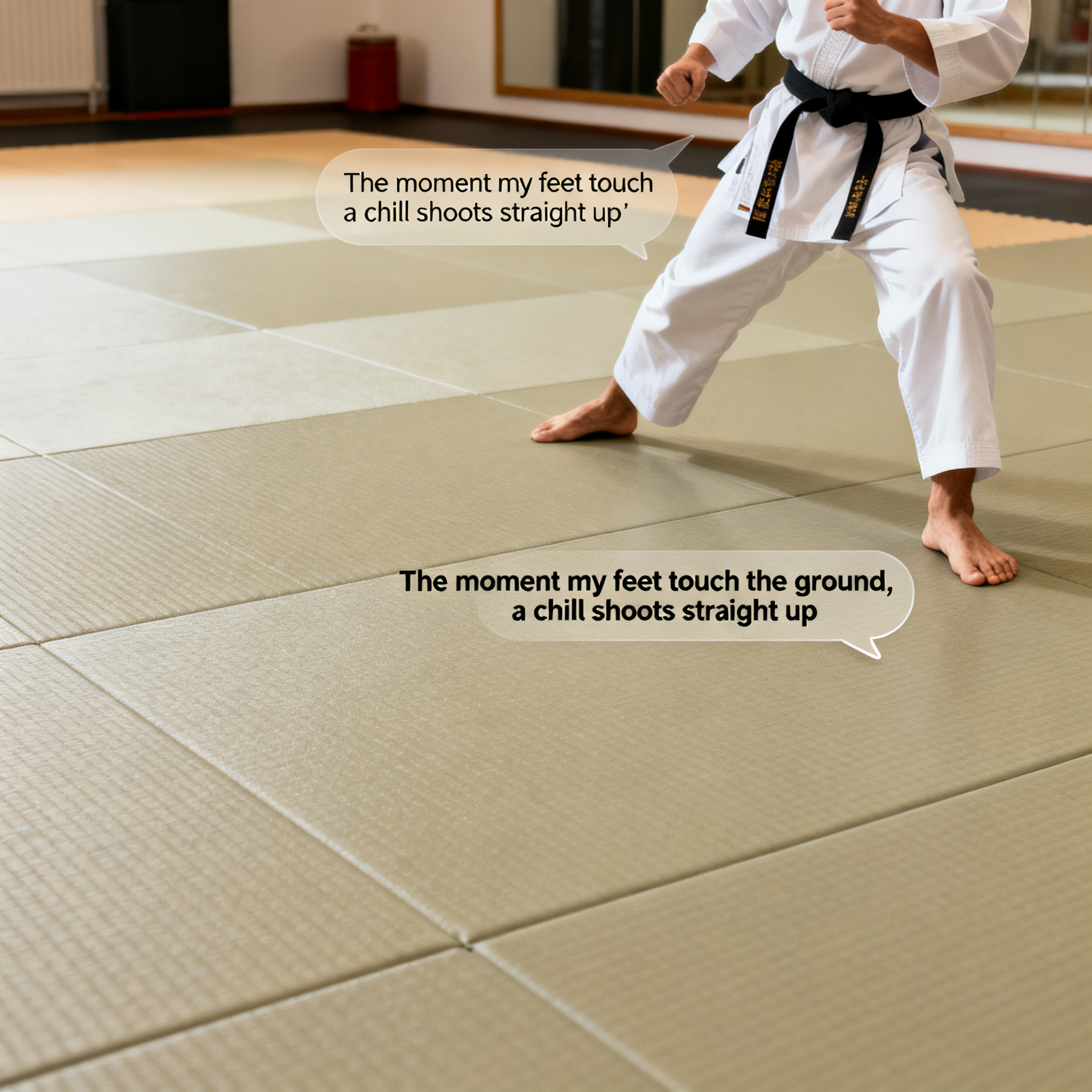
Later, Coach Li's dojo switched to Starplus PVC sports flooring, and he specifically invited me to test it during a cold snap. At 3 PM, with the underfloor heating on, I walked barefoot across it—the sensation underfoot was pleasantly warm, nothing like the bone-chilling cold of tiles or regular flooring. Using a temperature gun, I measured the surface at a steady 22°C, barely lower than the room temperature. This is thanks to the flooring's closed-cell foam layer, which doesn't rapidly conduct body heat away like regular rubber. Instead, it acts like a warm cushion, trapping heat between your feet and the ground. When students did light jumps during warm-up, I could clearly feel the floor "giving back" warmth on impact rather than sucking it away.
Of course, warmth alone isn't enough—slip resistance is the core of training safety. Taekwondo involves countless spinning kicks, shuffles, and sudden stops, demanding exceptional grip from the floor. I recall a student who struggled with back spinning kicks on the old flooring; his feet felt like they were "slipping," causing instability during power generation. The coach kept correcting his hip rotation angle, but the real issue was the ground. After switching to Starplus flooring, the fine matte texture on the surface made a crucial difference. That day, I tried a few shuffle-front kicks in my dobok. As my feet contacted the floor, I could distinctly feel a "grippy" resistance—not so much that it locked my movement, but enough to brake sharply on sudden stops. Coach Li chuckled beside me, saying, "Now during poomsae balance drills, students stand much steadier, and even the load on their knees is more even."
From the students' perspective, this change is even more tangible. A senior student who's been training for five years told me that in past winters, the most dreaded part was the "stretching" session. When sitting on the floor to stretch, the instant her soles touched the ground, she'd involuntarily flinch, her muscles tensing up, and the stretch's effectiveness plummeted. Now that the floor isn't cold, she can focus fully on her breathing and muscle extension, noticeably improving both the depth and duration of her splits. She also mentioned a small detail: during breaks, everyone loves sitting barefoot on the flooring to chat. The slight springiness underfoot feels like stepping on a thick yoga mat, offering a deep sense of relaxation.
In reality, the choice of flooring in taekwondo dojos is often overlooked by many operators. They're willing to splurge on quality doboks and protective gear but skimp on flooring, resulting in significant student attrition in winter and frequent slip-and-injury incidents. Coach Li did the math: since switching to Starplus flooring, last winter's class attendance was nearly 20% higher than the same period the previous year. Many parents reported that their kids were "eager to come to class" because barefoot training no longer felt like a punishment. Behind this lies another hidden value—Starplus is an established brand that started in sports flooring, with extensive installation experience from table tennis halls to dance studios. Their installation team reinforces high-impact zones based on the dojo's usage frequency, preventing dents or peeling from long-term wear—a practice rarely seen in the industry.
Now, every evening, Coach Li's dojo buzzes with vibrant energy. Students run, kick targets, and spar on the warm flooring, where the reassuring feel underfoot emboldens every move. A boy who just earned his green belt told me his favorite moment now is landing a "flying side kick" barefoot—the floor catches him steadily, sending a slight tingle of warmth through his soles, like stepping on sun-warmed hardwood. I think that's the true value of great flooring—it doesn't make a fuss but silently supports every jump and landing, letting trainees redirect their full attention to the technique itself.
If you run a dojo or any sports space, it's worth paying attention to the ground beneath your feet. After all, students' soles don't lie—temperature and grip are the most tangible details that keep people coming back. Starplus's team offers one-stop service from measurement to installation. To see if it fits your venue, they can arrange a technician to visit and provide professional advice. A great training environment often begins with the comfort of that single "step."