
Venue Flooring Buying Guide: 10 Tips from a Professional Venue Owner
Venue Flooring Buying Guide: 10 Tips from a Professional Venue Owner
Opening a sports venue, from site selection to renovation, every step is a real investment of hard-earned money. Many novice owners pour most of their budget into equipment and lighting, overlooking the flooring beneath their feet. It's only when members complain about knee discomfort after a few steps or balls fail to bounce properly that they regret it. Flooring is laid for years, and redoing it costs a fortune. Having run a venue for eight years, I've stumbled and detoured along the way. Today, I'm sharing these 10 tips from the bottom of my heart to help you avoid unnecessary pitfalls.
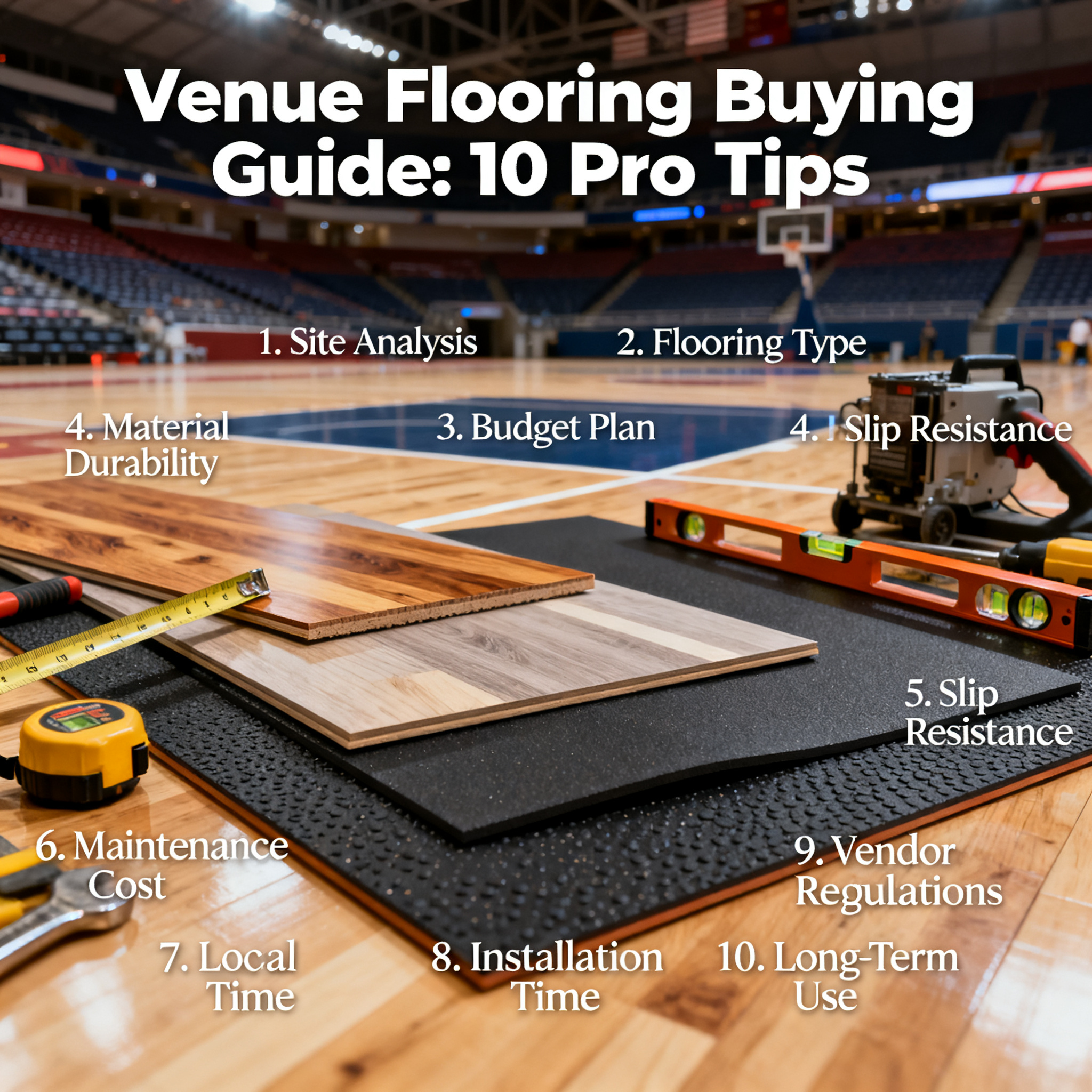
Tip 1: Don't Just Look at Thickness; Examine the Structure
Many owners assume thicker flooring is better, thinking 3.0mm beats 2.5mm. That's a misconception. The durability and sports protection of flooring hinge on its multi-layer composite structure, not just total thickness. Professional sports flooring typically includes a PVC wear layer, a fiberglass mesh stabilization layer, and a foam cushioning layer. The foam layer is key to absorbing impact and protecting joints, while the fiberglass layer determines resistance to deformation and shrinkage. Try bending a sample—if it shows white marks or cracks with a slight bend, the stabilization layer is subpar. Quality flooring is resilient, springs back quickly, and won't leave dents when pressed with a fingernail.
Tip 2: The Wear Layer Is Consumable—Don't Skimp Here
The wear layer directly dictates the flooring's lifespan. Some venues see whitening near court lines within a year, a sign of a too-thin wear layer. Professional-grade sports flooring should have a wear layer of at least 1.2mm. Test it by scratching the sample surface with a fingernail or key to see if it leaves visible marks. For instance, SQUARE COMFORT's table tennis flooring has a robust wear layer—I scratched it with a key in their showroom for ages without leaving a trace.
Tip 3: Slip Resistance Should Be "Grippy but Not Sticky"
Slip resistance isn't about being as rough as possible. If too rough, athletes' feet may "stick" during sudden stops or direction changes, increasing the risk of ankle sprains. If too smooth, it becomes an ice rink. A simple test: wear flat shoes and walk on it—you should feel moderate grip but still be able to glide smoothly. Or, pour a little water on it and see if droplets stay intact or spread out. On good anti-slip flooring, water droplets remain relatively intact, indicating the surface texture effectively drains water.
Tip 4: Check Eco-Friendliness with a Sniff
Odor is a major issue in many venues. Some cheap options use recycled materials with excessive formaldehyde and benzene compounds, leaving lingering smells for months and triggering member complaints, or worse, health risks. When selecting, cut a small sample and burn it with a lighter. If it emits pungent black smoke, it's a no-go. Eco-compliant PVC flooring burns with light white smoke and a mild odor. Also, check if the manufacturer holds basic certifications like ISO9001 for peace of mind.
Tip 5: Match Thickness to Your Venue's Purpose
Badminton, table tennis, and basketball courts have vastly different flooring needs. Table tennis requires good shoe grip with lower cushioning demands—around 4.5mm total thickness suffices; thicker might hinder quick starts. Badminton, with frequent jumps and landings, needs at least 5.0mm, ideally with an elastic foam layer. For basketball, especially full-court play, consider sports wood flooring or thicker professional sports flooring. An engineer from SQUARE COMFORT once told me during a site survey: "Flooring isn't about being priciest; matching the sport's characteristics is key."
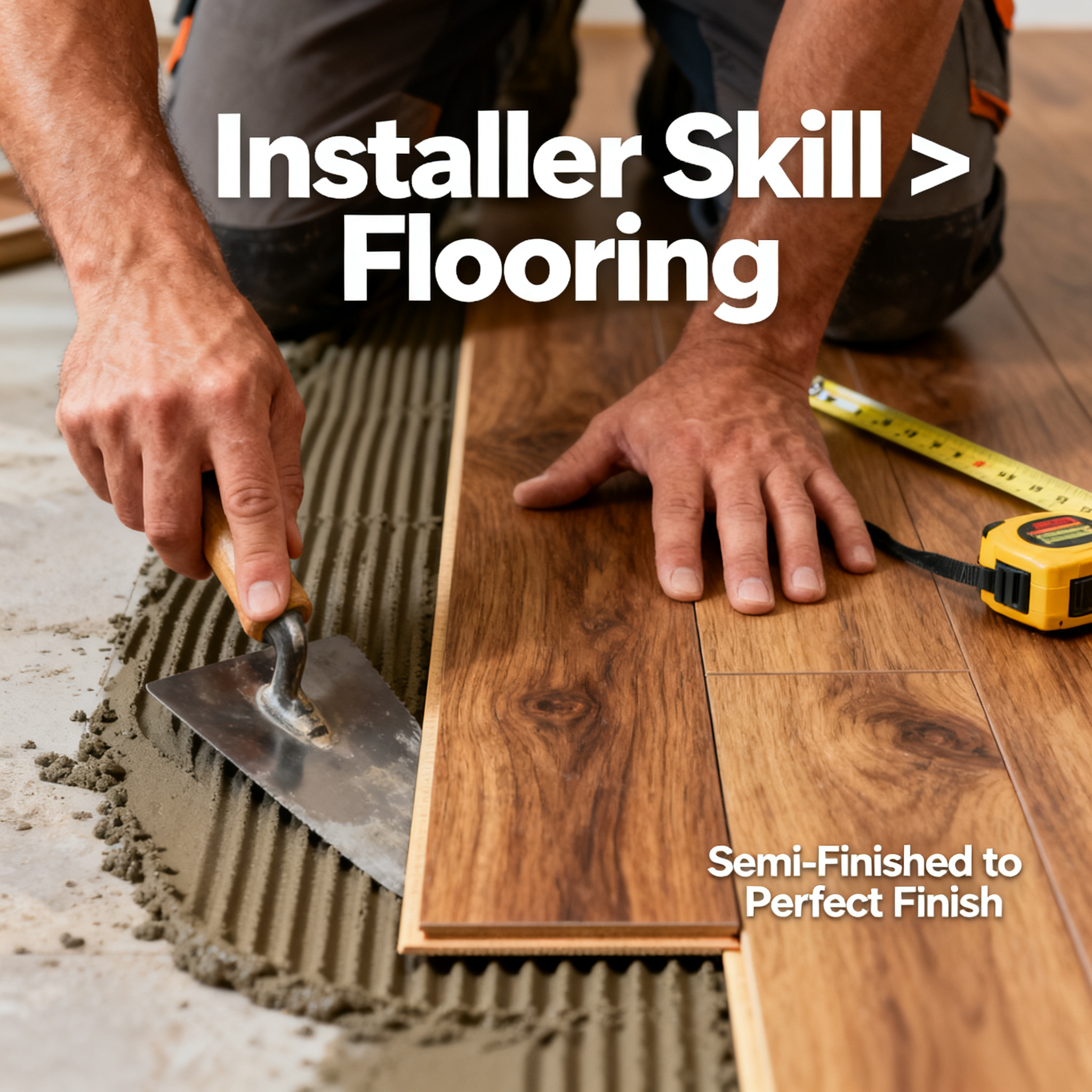
Tip 6: Installer Skill Matters More Than the Flooring Itself
Flooring is a semi-finished product; it becomes finished only after installation. The same brand can yield vastly different results depending on the installer. Poor seam handling leads to curling and dirt buildup within months. If the self-leveling isn't done right, uneven floors cause bubbling over time. Professional brands typically have their own installation teams or long-term third-party partners. Before signing contracts, clarify construction standards and warranty periods. I recall SQUARE COMFORT offering lifetime warranty options and annual safety inspections by technicians to eliminate hazards—that service mindset truly reassures.
Tip 7: Beware of "Low-Price Traps"
Some flooring on the market is priced absurdly low, saving you $1-2 per square meter. You think you've scored a deal, but the tricks hide where you can't see. It could be inflated thickness specs—actual delivery only 80% of claimed—or mismatched face and base layers from different manufacturers, or stale production dates with aged, brittle stock. I've seen a client who bought cheap flooring that started powdering at the edges before acceptance. When purchasing, ask for product batch numbers, brand trademarks, and test reports—reputable manufacturers have complete documentation. Brands like SQUARE COMFORT, with over 30 years of manufacturing, even offer anti-counterfeit checks on their website—such details inspire confidence.
Tip 8: Pay Attention to Line Marking—Don't Underestimate Details
Badminton and table tennis court lines come with standard dimensions. The quality of line paint is crucial; inferior paint yellows, cracks, or smudges within months. Good line marking is embedded, blending seamlessly with the flooring without noticeable ridges. Also, line colors matter—for example, badminton sidelines and service lines are white, but standards allow other colors for some lines, so don't get it wrong.
Tip 9: Clarify After-Sales Service Implementation
Flooring, after two or three years, may suffer local damage or curling. If the manufacturer is remote, can they respond promptly? How is repair charged? Who do you contact during the warranty period? Ask all this before signing. Some brands claim a five-year warranty but are unreachable when issues arise. SQUARE COMFORT's approach is worth noting: they promise 24-hour customer service response, monthly phone follow-ups to track usage, and dedicated emergency contact channels for service reps. This "no-distance-too-far" after-sales mindset might sound overblown, but you'll appreciate it when problems hit.
Tip 10: Look at Real Cases, Not Just Online Images
Online renderings look stunning, but actual installation quality and texture can't be judged from photos. If possible, visit a site where the manufacturer is currently working or has completed, to touch and walk on it. If they offer local or nearby cases for you to tour, it shows confidence in their product. SQUARE COMFORT's website showcases over twenty real project cases, from table tennis courts in steel-structured pools to dance studios and basketball courts—such real-world evidence speaks louder than any ad copy.
Summary: Safety Underfoot Matters Most
Choosing flooring is essentially a battle of professionalism and experience. Don't be swayed by flashy marketing or rock-bottom prices. Focus on material, structure, installation, and after-sales, and you'll avoid over 90% of market pitfalls. If you're still unsure, consider consulting a brand like SQUARE COMFORT with over 30 years of manufacturing expertise, and let them craft a tailored flooring plan for your venue. Remember, every jump and sudden stop your members make happens on your flooring—it's your reputation. All greatness starts from the ground up; that's not just a saying.