
PVC Sports Flooring vs Rubber Flooring vs Interlocking Floor Tiles: Who Is the Real Value Champion?
PVC Sports Flooring vs Rubber Flooring vs Interlocking Floor Tiles: Who Is the Real Value Champion?
As someone who has been in the sports industry for years, and as a venue owner who deals with flooring headaches daily, I know exactly how daunting it is to choose the right floor material. I often get asked in the background: "I want to renovate my venue on a tight budget—should I go with PVC, rubber, or interlocking tiles?" Today, I'll break down these three mainstream options across four dimensions—price, performance, lifespan, and maintenance—so you'll have a clear picture by the end.
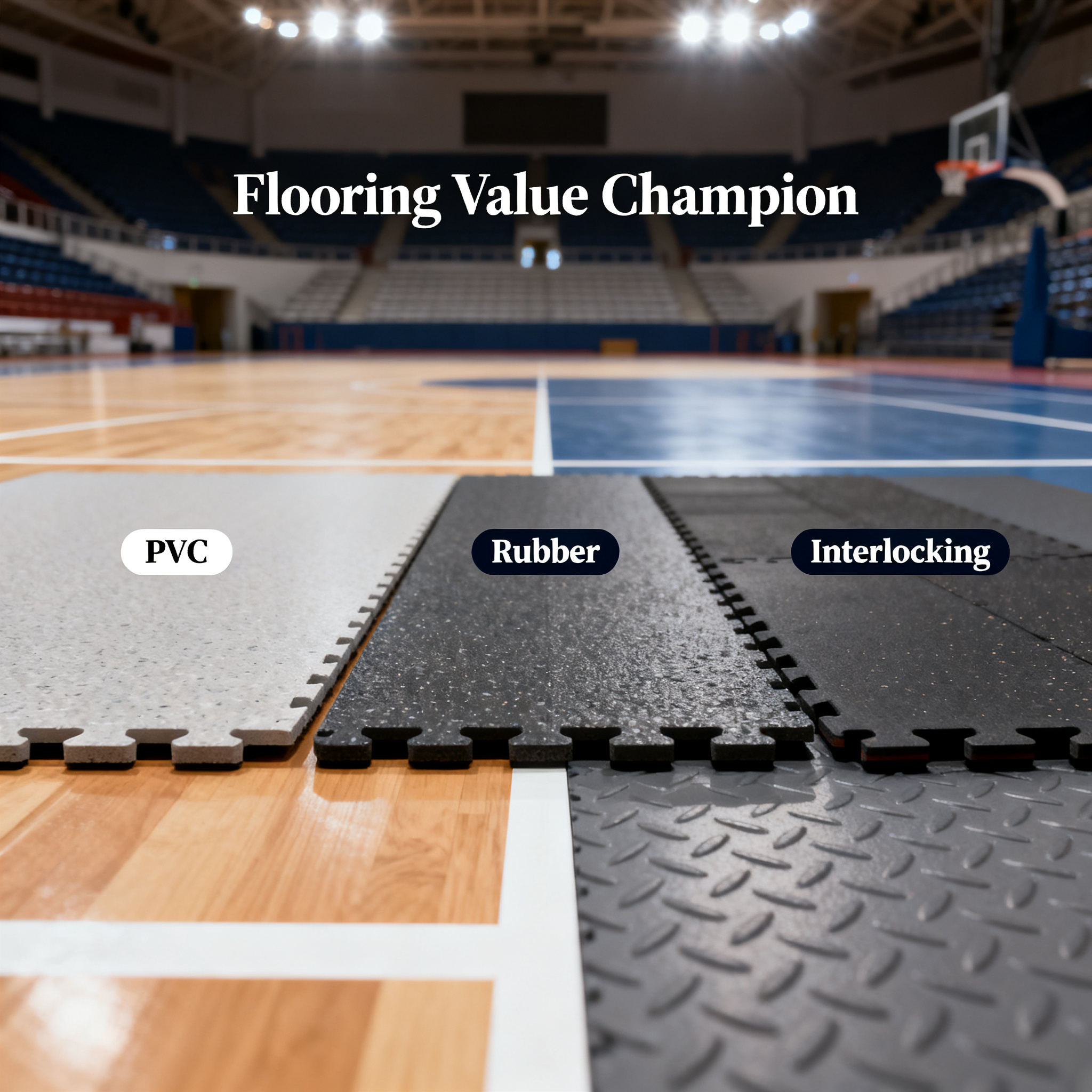
1. Start with the Basics: What Exactly Are These Three Materials?
Many people jump straight to price, but I think it's more important to understand what they are first. PVC sports flooring, scientifically known as polyvinyl chloride sports flooring, is the go-to choice for indoor venues. If you've been to a badminton hall, table tennis hall, or dance studio, the medium-soft, slightly textured roll flooring under your feet is likely this. Rubber flooring, on the other hand, is made from natural or synthetic rubber, offering greater elasticity. It usually comes in rolls or tiles and is commonly found in gym weight areas, equipment zones, or professional sports venues requiring high shock absorption. As for interlocking floor tiles, they're made of modified polypropylene (PP) and come as grid panels with locking mechanisms that snap directly onto concrete without adhesive. They're a staple for outdoor basketball courts, tennis courts, and school playgrounds.
If you've browsed the SQUARE COMFORT website, you'll see their venue flooring solutions cover all three types, from PVC flooring for indoor table tennis halls to interlocking tiles for outdoor basketball courts—very detailed. This actually highlights a key point: there's no absolute good or bad, only what fits the scenario.
2. Performance Showdown: Which Wins on Feel, Slip Resistance, and Shock Absorption?
PVC Sports Flooring: Its strength lies in "balance." The surface is specially treated, with a friction coefficient typically between 0.4 and 0.6, ensuring no slipping while providing grip for starts and sudden stops. The foam base layer gives a soft, springy feel that cushions impacts on knees and ankles. When you jump and land in badminton, you'll notice a slight sink and rebound rather than a hard, jarring impact. I've seen many venue owners with high standards specifically request PVC sports flooring with a reinforced stabilization layer, like those from SQUARE COMFORT, claiming it won't dent or deform even after five or six years—that's the difference structural design makes.
Rubber Flooring: Its forte is "toughness" and "shock absorption." Natural rubber's elasticity is unmatched, and its impact resistance is top-notch. Whether you're doing squats, deadlifts, or even dropping barbells, it can handle it with minimal noise. However, it has clear drawbacks: slip resistance decreases when wet, and the rubber smell can be strong initially, requiring ventilation.
Interlocking Floor Tiles: Their core advantage is "drainage" and "all-weather usability." The hollow structure lets water flow away instantly, so they're not afraid of soaking, and unlike rubber, they don't age or crack easily under sun exposure. The feel is firmer; even with added elastic underlayers in some products, it's not the same "softness" as PVC or rubber. Slip resistance comes from the surface's grid or honeycomb patterns, which perform consistently in both dry and wet conditions. However, playing basketball in regular sneakers might feel a bit slippery—specialized rubber-soled basketball shoes are recommended.
3. Price and Lifespan: How to Calculate the Real Cost?
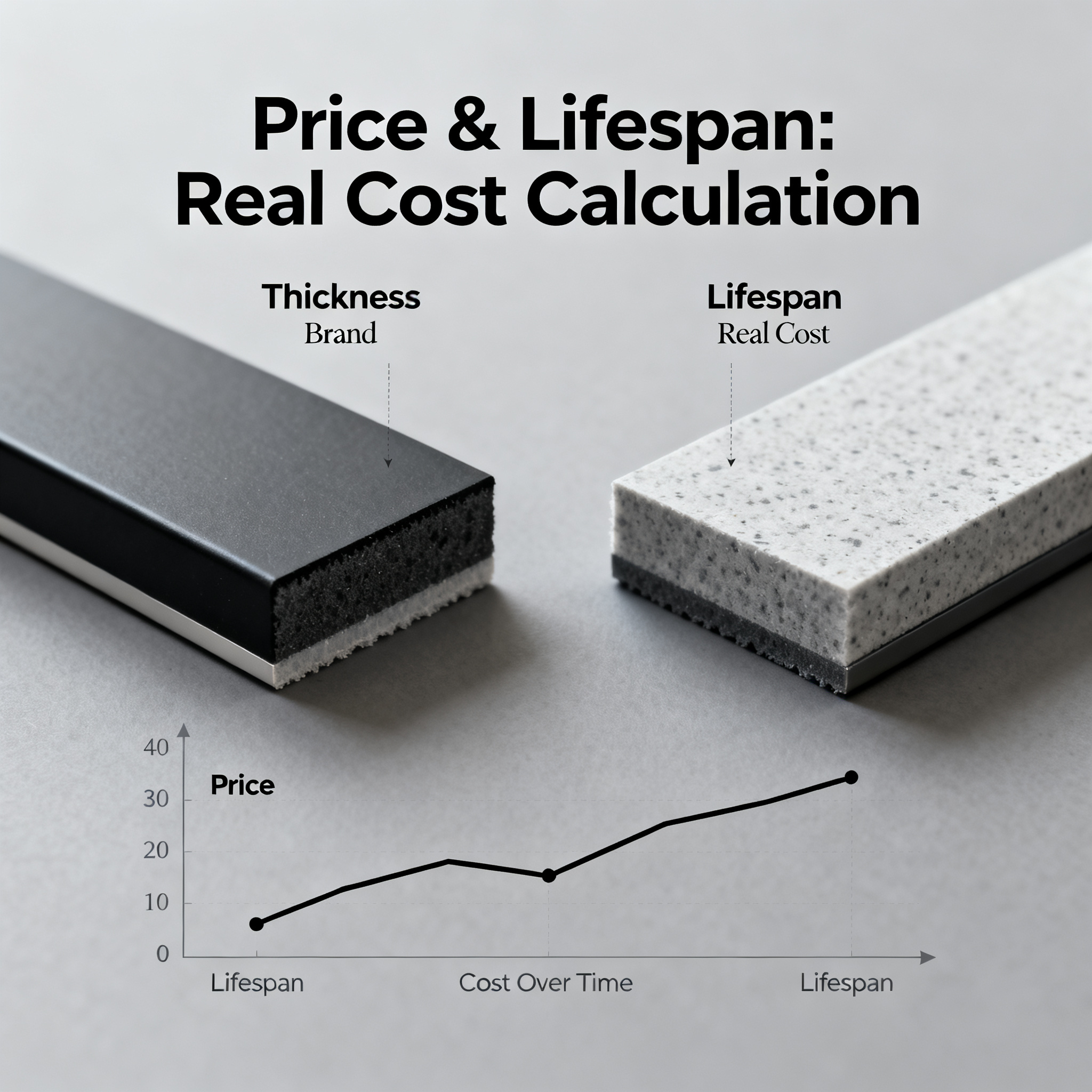
Talking about prices directly can be sensitive since thickness, brand, and installation conditions all affect quotes, but I can give you a rough range for reference (based on common market specs):
- PVC Sports Flooring: Standard 4.5mm-5.0mm thickness, with materials and labor, typically costs between 60 and 120 RMB per square meter. Price differences mainly come from wear layer thickness and foam density. In terms of lifespan, with proper maintenance, 8-10 years indoors is no problem, but avoid sharp objects scratching and heavy items sitting for long periods.
- Rubber Flooring: Pricier, usually ranging from 100 to 200 RMB per square meter or more, especially for imported natural rubber. Lifespan is long, with 10+ years being common, but only if you avoid prolonged direct sunlight, which can cause aging and brittleness.
- Interlocking Floor Tiles: The unit price seems cheap, around 40 to 90 RMB per square meter, but note that they require a flat, solid concrete base. If the base isn't good, you'll need to spend extra on self-leveling or leveling compounds. For lifespan, quality PP materials can last 6-8 years, but the locking points are weak spots and can be damaged by frequent movement or heavy pressure.
By now, you'll notice that the lowest unit price isn't necessarily the most cost-effective. Interlocking tiles may be cheap to buy, but base preparation and maintenance add up. PVC flooring, with a mid-range price, spreads out to a very low annual cost over a decade.
4. Maintenance Costs: A Must-Read for the Lazy Ones
This is something I really want to vent about. I once laid cheap rubber mats in my venue, and cleaning them was a nightmare—dust got stuck in the texture, mops couldn't get it out, and I had to use a vacuum and special cleaners. PVC sports flooring is much easier: a daily pass with a semi-dry mop does the trick, and periodic waxing keeps it looking new. Interlocking tiles are the easiest—just hose them down or sweep out the sand from the gaps, no fuss at all.
But interlocking tiles have a minor issue: if liquids spill on them (like sports drinks), they can seep through the gaps to the base, and over time, the base layer might develop odors. So they're great outdoors, but indoors, you'll need to be more careful.
5. Summary and Buying Advice (With Comparison Table)
To make it clearer, here's a quick summary:
| Dimension | PVC Sports Flooring | Rubber Flooring | Interlocking Floor Tiles |
|---|---|---|---|
| Best For | Indoor badminton, table tennis, basketball, dance, gym aerobics rooms | Gym weight areas, professional tracks, indoor venues needing high shock absorption | Outdoor basketball courts, tennis courts, school playgrounds, rooftop courts |
| Feel | Soft and springy with good feedback | Soft with excellent shock absorption | Firm with supportive feel |
| Slip Resistance | Balanced in dry and wet conditions | Excellent when dry, decreases when wet | Stable in dry and wet conditions |
| Price (Incl. Installation) | Mid-range (60-120 RMB/㎡) | Higher (100-200+ RMB/㎡) | Lower (40-90 RMB/㎡, excluding base prep) |
| Lifespan | 8-10 years | 10+ years | 6-8 years |
| Maintenance Difficulty | Low, just mop | Medium, needs special cleaners | Very low, just rinse with water |
| Water and Moisture Resistance | Avoid prolonged soaking | Avoid direct sun, not afraid of moisture | Not afraid of water or sun |
Final Buying Advice—Just Copy This:
- Limited budget and indoor venue: Go with PVC sports flooring without hesitation. It's the overall value champion—balanced performance, easy maintenance, and as long as you avoid low-quality products, you won't run into major issues. When choosing, check if the brand offers full delivery capability for sports facility projects, like SQUARE COMFORT with over 30 years of manufacturing experience, providing a complete system from product to installation to avoid headaches.
- Seeking ultimate shock absorption or setting up a gym weight area: If budget allows, go for rubber flooring. Its protection for equipment and joints is unmatched. But ensure proper ventilation to dissipate the smell and avoid direct sunlight areas.
- Outdoor or rooftop venue: Don't hesitate—choose interlocking floor tiles. They're incredibly weather-resistant, drain quickly, and have near-zero maintenance costs. Just make sure to pick products with sturdy locking designs and ensure a level base.
One last tip: no matter what you choose, the base preparation is crucial. If the concrete floor isn't level, any flooring will fail—bubbling, cracking, and noise will follow. Spending more on leveling is worth more than splurging on expensive materials. I hope this helps you avoid pitfalls and soon have a sports space you'll love.