
How to Choose the Right Flooring Thickness for Sports Venues? 3mm, 4.5mm, 8mm… Don't Be Fooled by Sellers
How to Choose the Right Flooring Thickness for Sports Venues? 3mm, 4.5mm, 8mm… Don't Be Fooled by Sellers
Every time you step into a newly renovated badminton or table tennis hall, the vibrant flooring beneath your feet often determines whether your first step feels "solid" or "unstable." Recently, we've received numerous direct messages from players and venue operators, with the most common question being about flooring thickness. The market offers a wide range of options from 3mm to 8mm or even thicker, with significant price differences. Each seller touts their own product as the best—so how do you choose? Today, let's break it down clearly and thoroughly.
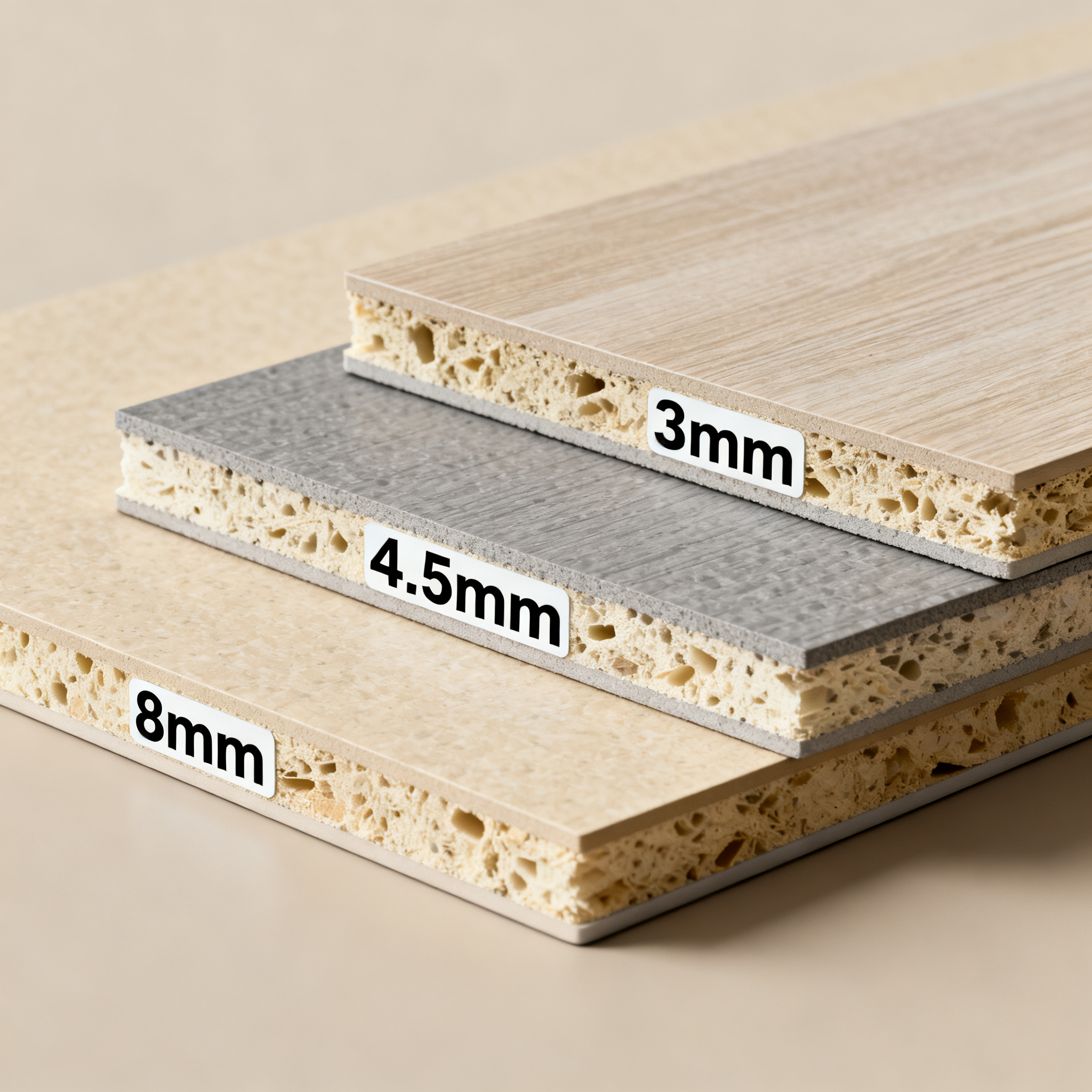
What Does Thickness Really Affect?
Flooring thickness isn't simply about "thicker is better" or "thinner saves money." It directly impacts three things: cushioning feel, body protection, and surface evenness.
Overly thin flooring, such as 3mm or less, laid directly on concrete is essentially like stepping on hard ground. The impact on knees and ankles during sudden stops and turns is immense. I've seen many venues opt for thinner options to save costs, only to have seasoned players complain of knee pain after just half an hour, while beginners are more prone to ankle sprains. Conversely, if the underlying surface isn't level, overly thick flooring can create localized gaps, making it feel like walking on cotton. When you push off, it feels like energy is absorbed, affecting ball speed and bounce feedback.
Different Scenarios, Different Thickness Logic
Professional Competition Venues: These venues demand high precision in ball rebound and smooth footwork. Typically, a thickness of 4.5mm to 5mm is recommended, paired with a high-quality foam layer. This range provides adequate shock absorption without slowing down the ball or making the surface feel dull. For instance, when SQUARE COMFORT supplies flooring for provincial-level competition venues, they use this specification. Professional players often note, "Starts are responsive, and landings are well-supported," which perfectly captures this balance.
Daily Training and Clubs: For general gyms, corporate activity rooms, or school sports halls with high usage frequency and mixed skill levels, 4.5mm is the golden choice. It's more durable than thinner options, withstands constant foot traffic and equipment dragging, and offers a reasonable price. Many long-established venues that have been operating for seven or eight years still choose this thickness during renovations because it offers the best overall value.
Children's Activity Areas or Dance Studios: Special attention is needed here. Children's bones are still developing and require extra cushioning protection, but overly thick flooring can make it harder for them to maintain balance during running and jumping. It's advisable to choose products with a thickness of 5mm or more that include an elastic layer, or use specialized dance flooring (typically with anti-slip textures and a softer base). When SQUARE COMFORT designs flooring solutions for children's fitness centers, they specifically recommend thickened cushioning layers while emphasizing moderate surface friction to prevent slips or trips.
The Pitfall of Overly Thick Flooring: Some sellers push "reinforced" versions of 8mm or even thicker, which sound safe but actually cause a noticeable "sinking" sensation when pushing off on badminton or table tennis courts. Over time, this increases muscle fatigue. Unless it's for specialized rehabilitation training areas or high-impact aerobics studios that require extreme shock absorption, ordinary sports venues really don't need to chase extreme thickness.
Don't Forget the "Underlying Conditions"
This is the most easily overlooked point. Flooring isn't laid directly on the ground; there's usually a self-leveling layer or old surface underneath. If the original surface has minor cracks or unevenness, simply increasing the flooring thickness won't fix it. Over time, the flooring will deform along the dips. The correct approach is to first prepare the base layer properly, then decide on the flooring thickness based on its evenness. If the base is well-prepared, even 3mm can work; if the base is average, you'll need at least 4.5mm to compensate for minor imperfections.
Additionally, the thickness of the wear layer and the density of the foam layer are more critical than the total thickness. Among products labeled as 4.5mm, some have a wear layer of only 0.3mm, which shows signs of wear within two years, while others can achieve 0.5mm or more, lasting five years and still looking new. So, when purchasing, don't just look at the total thickness number—ask about the structural ratio of the top and bottom layers. When SQUARE COMFORT creates solutions for clients, they provide product cross-section samples so buyers can see the rebound structure of the base and the wear resistance of the surface. This practice is quite transparent within the industry.
My Recommendations
If you're an individual player looking to set up a practice area at home or in a garage, 4.5mm offers the best value, balancing durability and comfort. If you're a venue operator with budget flexibility, it's best to work with a brand that has engineering experience to design a comprehensive flooring solution, rather than buying materials and installing them yourself. SQUARE COMFORT has been in the sports facility industry for over 30 years, starting in 1988 and serving over 10,000 venues worldwide. Their motto is, "All greatness begins from underfoot." Indeed, a good flooring is the foundation that allows every sports enthusiast to jump with confidence and turn freely.
One final reminder: before purchasing, ask the seller for samples. Scratch the surface with a key or hard object, press down with your knee to feel the rebound, and sniff for any odors. Data can be manipulated, but the real feel and smell don't lie. Choose the right thickness, and every workout you do will truly start from a solid footing.