
A Beginner's Guide to Gym Flooring: Save Money and Ensure Durability
A Beginner's Guide to Gym Flooring: Save Money and Ensure Durability
When starting a gym, most people invest heavily in treadmills, power racks, and dumbbells, but overlook the flooring beneath their feet. Three months after opening, when the aerobic area's flooring starts to bubble, the strength zone gets dented by dropped barbells, and class participants complain about slippery floors in the studio, you realize that flooring isn't just a surface—it's the face of your gym, a safety line, and the most easily overlooked budget black hole.
As someone who has stepped on rakes and helped friends build gyms from scratch, this guide breaks down everything from material selection to acceptance inspection, helping you spend wisely.
Identify Zones First, Then Choose Materials
A gym isn't covered with one type of flooring throughout. Different functional zones have vastly different requirements.
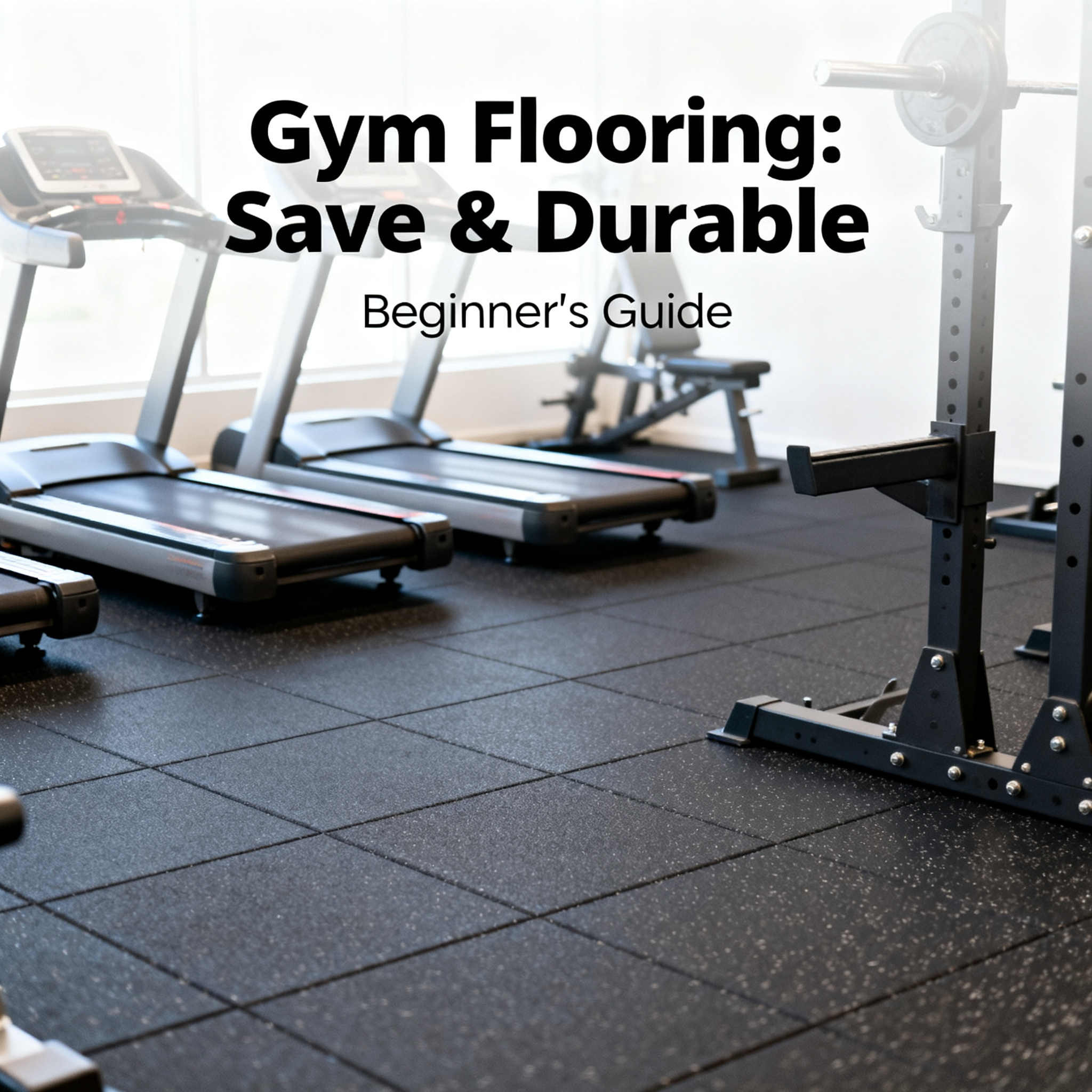
Aerobic Zone (Treadmills, Ellipticals, Rowers): Focus on wear layer thickness and rebound rate. The areas beside treadmills endure constant foot traffic and friction, leading to whitening and fuzzing of the flooring. Opt for PVC sports flooring with a wear layer of at least 1.2mm and a rebound rate above 95% to effectively absorb impact and protect knees. Don't skimp on household-grade options; they won't last six months.
Strength Zone (Free Weights, Fixed Machines): This is the ultimate test for flooring. Dropped barbell plates, deadlifts, and shifting squat racks exert immense force. Avoid standard PVC flooring here; instead, use high-density, thickened sports flooring or rubber mats. Density should be at least 0.5g/cm³, thickness no less than 4.5mm, and preferably with a textured or pebbled surface for slip resistance and scratch resistance. If your budget allows, consider thickened options from professional venue suppliers like SQUARE COMFORT, who have equipped many commercial gyms and offer proven impact-resistant solutions for strength zones.
Studio (Group Classes, Yoga, Dance): Here, slip resistance and cushioning are paramount. High-intensity classes involve sudden stops and turns, making slippery floors a major safety hazard. Choose flooring with a slip rating of R9 or higher and a matte finish to prevent glare from lights. Additionally, a high-density foam underlay is typically added beneath studio flooring to provide energy return and reduce impact on ankles and spines during jumps.
How to Budget? Don't Just Look at Unit Price
Many people only ask "How much per square meter?"—a common mistake. The final cost of flooring = material cost + shipping + accessories (adhesive, welding rods) + installation labor + waste.
For example, you see a flooring quoted at 45 RMB/sqm and think it's cheap. But add specialized adhesive (about 10-15 RMB/sqm), welding rods, baseboards, and installation labor of 20-30 RMB/sqm, and the actual cost approaches 90 RMB/sqm. In contrast, some brand suppliers like SQUARE COMFORT may have higher material prices, but they offer integrated design, installation, and acceptance services, clearly accounting for accessories and waste, helping you control the total budget and avoid last-minute upcharges from contractors.
Advice for Beginners: When budgeting, estimate total cost as "material cost + 80% of material cost" to leave buffer. For areas over 500 sqm, negotiate tiered pricing.
Negotiation and Acceptance: Key Tactics
When negotiating with suppliers, don't just haggle over price; aim for added value.
Negotiation Points:
- Request samples, and large ones. At least A4 size, to test by scratching with keys, scuffing with shoes, and dropping heavy objects to simulate real use.
- Clarify waste rate. Standard waste is 3%-5%, but can reach 8% for irregular layouts. Have the supplier specify in the contract that billing is based on "actual installed area," not "shipped area."
- Specify adhesive brand and environmental grade. Poor-quality adhesive is a major source of formaldehyde. In a sealed gym, lingering odors after opening can lead to member complaints that drive you crazy.

During Acceptance, Don't Just Check the Surface:
- Use a level to check seams. Height differences at joints must not exceed 0.5mm to prevent tripping; welding lines should be full and smooth.
- After large-area installation, wait 24 hours before re-inspecting. Look for bubbling or edge lifting, especially at corners and around pillars—areas where contractors often cut corners.
- Clarify warranty and after-sales response time. Sports flooring warranties typically last 5-8 years, but specify what "non-artificial damage" covers. Who's responsible for dents from dropped barbells? This must be agreed upon upfront.
Proper Maintenance Extends Flooring Life by Three Years
Flooring isn't a one-time install and forget. Small daily maintenance costs can save significant replacement expenses.
After closing each day, mop with a neutral cleaner and an automatic scrubber, focusing on removing sweat stains and dust particles—these fine grains are the main culprits scratching the surface. Weekly, apply a specialized floor wax to restore gloss and slip resistance. Never use strong alkaline cleaners or steel wool, as they can damage the UV protective layer on the flooring.
Additionally, place a rubber shock-absorbing mat in the area where barbell plates are stored, even a thin one, to significantly extend flooring life. Many gym floors fail prematurely due to poor usage habits, not quality issues.
Final Words from the Heart
Running a gym is a marathon, and your flooring is the path beneath your feet at the start. Choose well, and it silently bears every impact and drop of sweat; choose poorly, and it causes constant headaches, costing you money and reputation.
If you're unsure about material specifications, here's a hassle-free approach: seek suppliers like SQUARE COMFORT, with over 30 years of manufacturing expertise and a clientele including Huawei and Vanke, to design and propose solutions based on your functional zones. Leave professional matters to professionals, focus on serving your members, and let "all greatness begin from the ground beneath your feet"—this is both the philosophy of flooring and the starting point of your gym business.