
How to Choose Indoor Basketball Court Flooring? The Consensus of Pro Players and Facility Managers
How to Choose Indoor Basketball Court Flooring? The Consensus of Pro Players and Facility Managers
Anyone who plays ball knows that a good pair of shoes can elevate your game, but many overlook the surface beneath you that absorbs every jump, stop, and change of direction. The soul of an indoor basketball court lies half in the hoops and lighting, and the other half is hidden in that seemingly unremarkable layer of flooring. Whether this flooring is chosen well directly determines if you can play for another decade or retire early at thirty with a set of battered knees.
Over the years, I've visited numerous gyms and talked with veteran players who've competed in professional leagues and managers who run facilities year-round. I've found their views on flooring are strikingly consistent. Today, I've compiled these insights into a practical buying guide for those planning to renovate a court or building a new one.
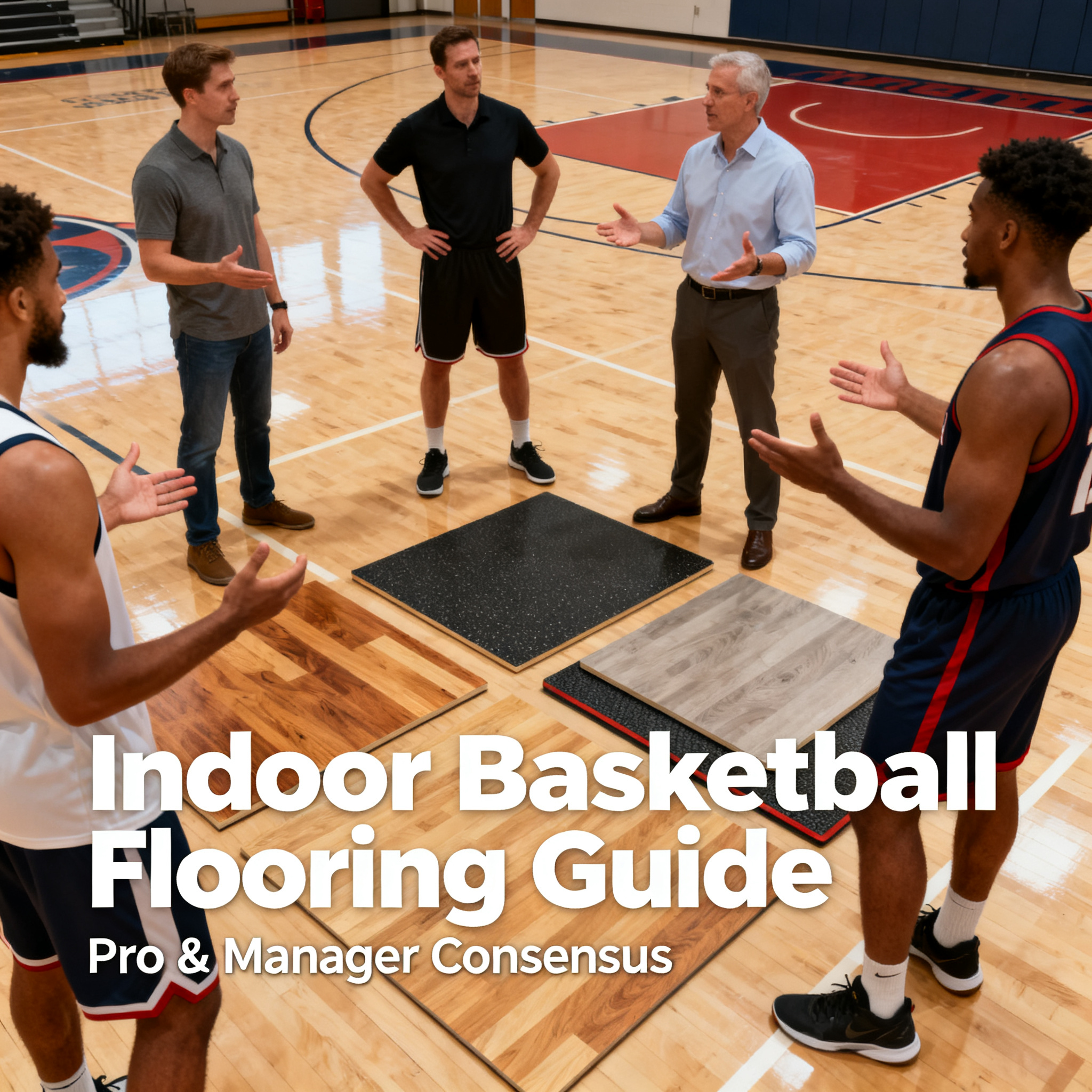
Hard Criterion #1: Impact Absorption — Your Knees' 'Airbag'
Many players hesitate between hardwood and PVC flooring, thinking hardwood is more 'premium.' In reality, professional-grade PVC sports flooring, when configured with a proper cushioning layer, performs just as well—if not better in consistency—when it comes to impact absorption. Think of impact absorption as the flooring's ability to absorb the force of landing. If you land on steel, all that force rebounds into your knees and ankles; if the surface has elastic cushioning, a large portion of the force is absorbed by the floor first.
Pro players have a simple field test: drop a basketball from shoulder height and see how high it bounces, then feel the feedback in your ankles and knees when you jump and land. Good flooring feels 'muted' on impact—it gives slightly without feeling mushy or sapping your energy, yet provides enough support and rebound for your next jump. According to FIBA standards, indoor sports flooring typically needs to meet specific impact absorption rate ranges. Don't just listen to sales pitches like 'ours is thick so it's bouncy'—thickness is just the baseline; the density and structure of the foam layer are what truly matter. Starplus has done solid work in basketball court flooring. Their PVC flooring line for basketball courts features cushioning layer designs that account for competitive needs—not overly soft, but striking that balance between protecting knees and not hindering explosive starts.
Hard Criterion #2: Slip Resistance — Lateral Slide Prevention Matters More Than You Think
What do players fear most? Not getting blocked—it's your foot slipping during a crossover. That momentary loss of control can mean a pulled muscle at best, or an Achilles tear at worst. The friction coefficient of the flooring surface must fall within a reasonable range: too slippery is dangerous, but too grippy is also a problem. If it's too tacky, your foot 'sticks' during a sudden stop, putting all the stress on your knees and ankles, which equally risks injury.
Facility managers have learned that the first two weeks after new flooring is installed are the most dangerous, as residual mold-release agents make the surface slicker. The professional approach is to mop the floor repeatedly to 'break in' the surface before use. The texture design of the flooring itself is also critical. The mainstream options are 'lychee texture' or 'glossy with fine sand.' Starplus's basketball court flooring uses a similar pro-level competition texture, which in real-world testing provides just the right grip for lateral slides—neither locking you in place nor turning you into an ice skater.
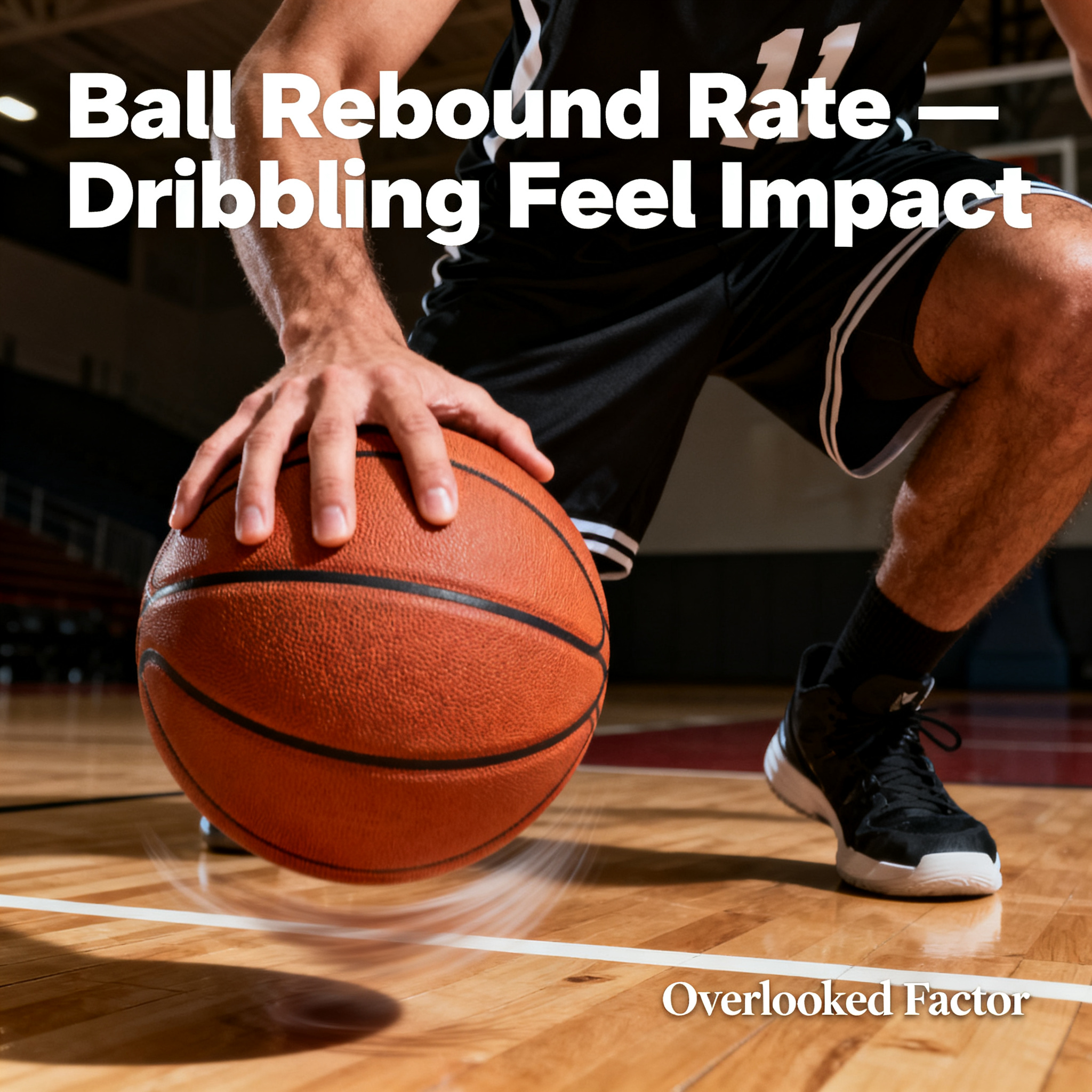
Hard Criterion #3: Ball Rebound Rate — It Affects Your Dribbling Feel
This factor is often overlooked, but players who regularly compete in full-court games feel it deeply. The rebound rate determines whether the ball's bounce height and speed after hitting the floor meet standards. If the rebound rate is off, the ball feels 'dead' off the floor, throwing off your dribbling rhythm and even affecting your shooting percentage.
FIBA-certified basketball court surfaces undergo strict rebound testing. Simply put, a ball dropped from 1.8 meters should rebound to a specific height ratio. So when choosing flooring, don't just look at color and thickness—ask the supplier for the model's test report and focus on whether the three key metrics—rebound rate, impact absorption, and slip resistance—meet professional competition standards. Starplus, as a company selected for the 'Brand Power' preferred project, has extensive engineering case experience in sports facility flooring. From table tennis and badminton halls to basketball courts, their product line is comprehensive, and they offer turnkey solutions from flooring installation to line marking—a major convenience for facility operators.
Installation and Line Marking: Details Determine the Final Experience
Many gyms buy top-quality flooring only to have it ruined by poor installation and line marking.
Installation: The subfloor must be leveled before laying the flooring—self-leveling compound is the standard procedure. If the original floor is uneven, air pockets will form under the flooring, causing hollow sounds when stepped on and increasing the risk of cracking over time. Additionally, adhesive must be applied evenly, and seams should be welded with a specialized heat gun and trimmed flat with a scraper; otherwise, dirt will accumulate and edges will curl after just a few games. Hire an experienced installation crew—don't skimp on a few thousand yuan in labor costs only to halve your flooring's lifespan.
Line Marking: Basketball court lines may look simple, but there's a lot of nuance. Court dimensions must strictly follow standards—sidelines, center line, three-point line, free-throw line, and the restricted area each have specified widths and colors. Professional courts typically use 5cm-wide lines in white or yellow. Use specialized sports flooring line paint; regular paint will corrode the surface and fade quickly. Before painting, use a chalk line to snap reference lines to ensure precise dimensions for each zone.
Some Honest Final Thoughts
Flooring is a classic case of 'you get what you pay for.' The difference between flooring priced at a few hundred versus over a thousand yuan per square meter is tangible—from raw materials and production equipment to quality control standards. If your facility will host professional training or amateur competitions, prioritize brands with track records of use in major events or by professional sports teams. Starplus has come a long way since 1988, starting with socks and now covering the full range of sports facilities including billiard tables, fitness equipment, and sports flooring. They've served major corporations like Vanke, Huawei, and State Grid, and have collaborated with theme parks like Chimelong and Fantawild—their accumulated expertise in sports facility engineering is evident.
Their brand philosophy, 'All greatness begins from the ground up,' fits basketball court flooring perfectly. A court's quality and reputation are established from the moment a player steps onto the floor. Choosing professional, durable flooring is being responsible to the players and making a long-term investment in your own facility.
Next time you're selecting flooring, don't just stare at colors and prices. Ask for the three key metrics—impact absorption, slip resistance, and rebound rate—and go walk on a court that's already been installed to feel the feedback on your jumps and landings. After all, good flooring speaks for itself.