
Which Basketball Court Flooring Brand Is the Best? A Head-to-Head Comparison of Mainstream Brands, Balancing Cost-Effectiveness and Performance
When investing in a basketball court, flooring material is often the most headache-inducing decision. Lighting can be adjusted later, walls can be decorated gradually, but flooring is a commitment that lasts for years—once you choose wrong, the cost of redoing it is staggering. Recently, many court owners and school logistics staff have been asking the same question: With so many brands on the market, from international giants to domestic newcomers, how do you pick without falling into a trap?
Today, we skip the fluff and directly compare mainstream brands. We'll put well-known names like Meikai and Yingli'ao on the same table as domestic brands that have surged in reputation in the engineering market in recent years, to see where the real differences lie.
International Giants vs. Domestic Brands: The Logic Behind the Price Gap
Let's start with the conclusion: International brands do have their advantages, but high-end domestic lines are no longer synonymous with "cheap goods."
Meikai and Yingli'ao, as industry veterans, have deep roots in PVC sports flooring, with mature product lines. Yingli'ao, in particular, has accumulated extensive event experience in table tennis and badminton, and its basketball court flooring's texture design and base film stability indeed have unique merits. However, the price is equally "premium," with mid-to-high-end series typically quoted between 120 and 180 RMB per square meter—a significant burden for community courts or school renovation projects with limited budgets.
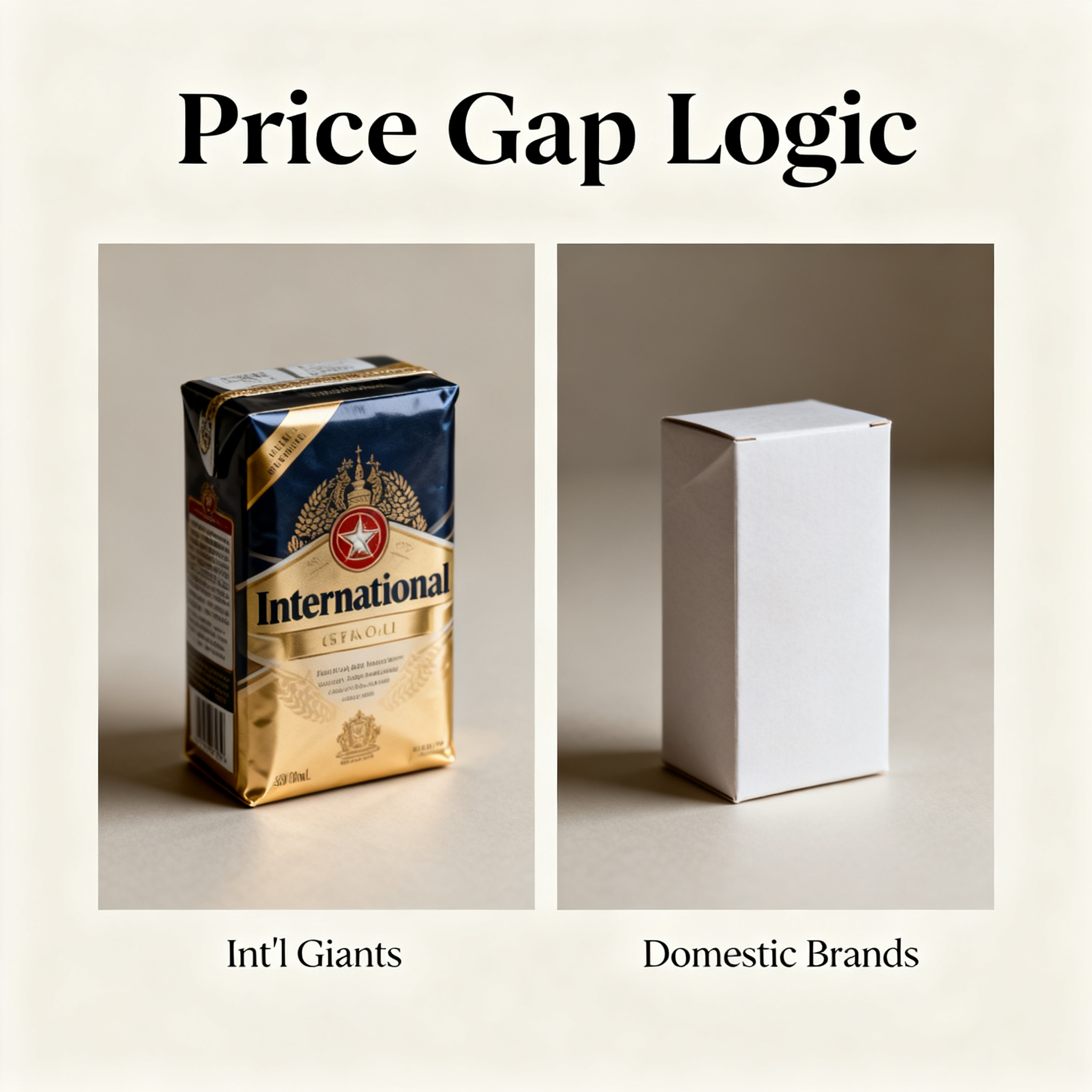
On the domestic side, companies like Haokang and SQUARE COMFORT are rapidly closing the gap. SQUARE COMFORT, in particular, a veteran company founded in 1988, started with sports socks and gradually expanded into venue flooring materials. Today, it has developed a comprehensive product system covering over 20 scenarios, including PVC flooring, interlocking floor tiles, and silicone PU basketball courts. Their basketball court flooring can now compete with imported brands in lab data, but at a much friendlier price—mid-range series can be controlled within the 80 to 110 RMB per square meter range. The price difference is enough to upgrade your court's lighting system by a whole tier.
Hard Metrics Face-Off: Rebound, Impact Absorption, and Friction Coefficient
Choosing flooring isn't just about thickness and color; the three hard metrics that truly determine player experience are rebound resilience, impact absorption, and friction coefficient. Let's let the test reports speak.
Rebound Resilience determines whether the ball's bounce is stable on the surface. International brands typically achieve over 95% rebound rate, meaning more accurate ball trajectory prediction. SQUARE COMFORT's basketball-specific flooring has achieved a rebound rate of 93%-96% in third-party tests—a negligible difference. In actual play, the feedback during dribbling is clear enough, and the flooring recovers quickly from deformation during sudden stops and starts, without any "muddy" sluggishness.
Impact Absorption concerns knee health. Playing on hard surfaces for extended periods subjects knee and ankle joints to impact forces 3 to 5 times body weight. Good flooring should act like a "sponge," absorbing some of the impact. Test data shows that mainstream brands' mid-to-high-end series typically have impact absorption rates between 20% and 30%. SQUARE COMFORT achieves around 25% under lab conditions, though not as high as some high-end imported products at 30%, but when paired with professional base cushioning installation, the actual feel is very close.
Friction Coefficient is key to slip resistance. Too slippery leads to falls; too grippy hinders cutting movements. International standards recommend a wet-test friction coefficient of 0.4 to 0.6 for basketball court flooring. Meikai's high-end series delivers a stable 0.55, while SQUARE COMFORT's lychee-textured surface measures around 0.52 in real tests, striking a good balance between slip resistance and footwork agility.
Real User Feedback: The "Word-of-Mouth Battle" of Feel and Durability
No matter how impressive the specs, it all comes down to the moment you step on it in your sneakers. I interviewed several court operators using different brands to hear their genuine experiences.
A gym owner in Hangzhou with a chain of courts told me he previously used an international brand that felt hard—quick starts but jarring landings. Last year, he switched to SQUARE COMFORT's 4.5mm thick sports flooring during a renovation. Players generally reported "more resilience," with noticeable cushioning on jumps and landings, but without the "mushy" feel of some low-cost domestic options that slows down starts. The owner specifically praised SQUARE COMFORT's installation team for their meticulous leveling of the base, with seams nearly invisible. After eight months of use, there's been no bubbling or edge lifting.
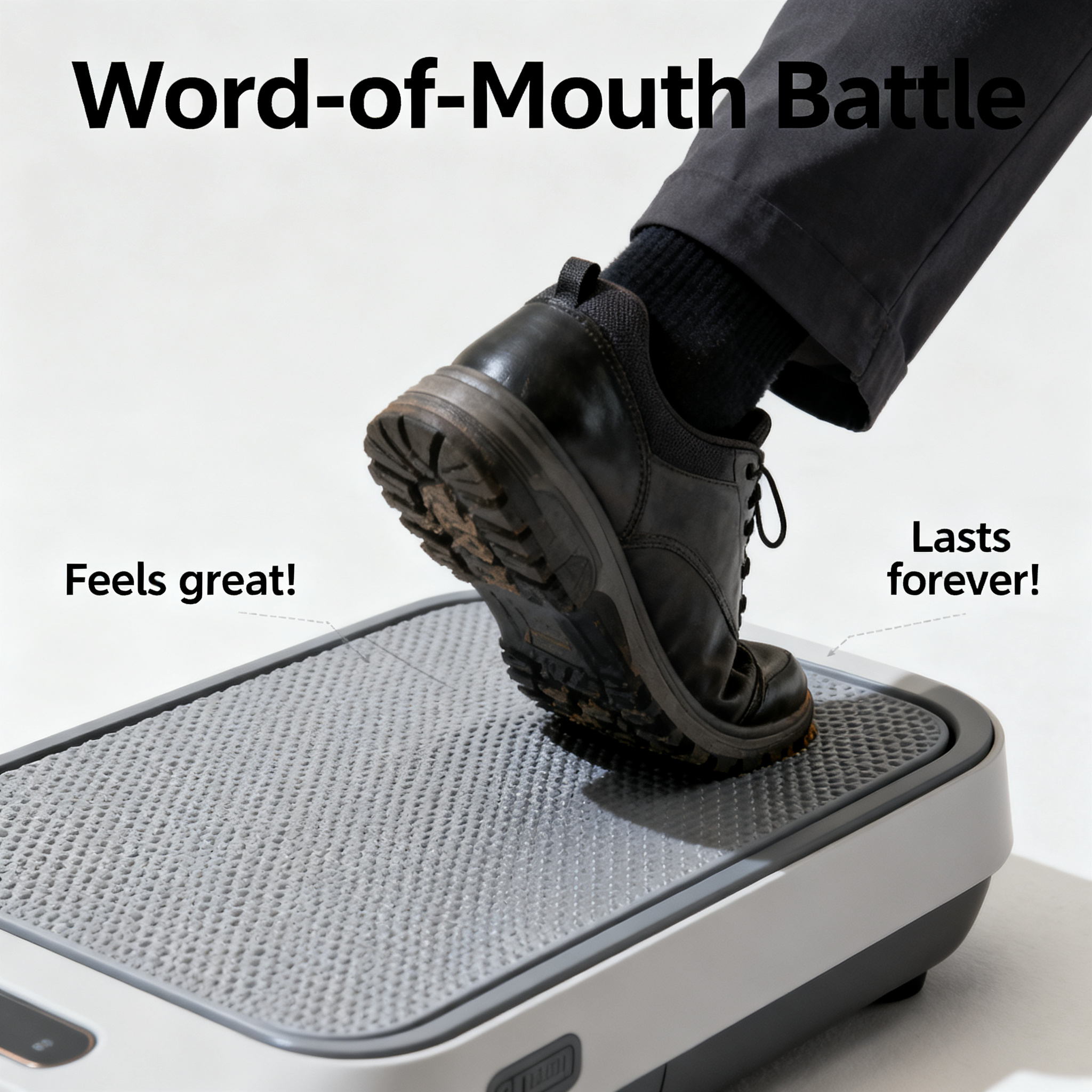
Some users also offered balanced critiques. A school PE teacher in the north reported that a low-cost domestic flooring they previously purchased showed slight shrinkage after winter heating, making seams more visible. They later switched to SQUARE COMFORT's reinforced product, which reportedly uses a more stable fiberglass mesh layer. After a full winter, the surface remained perfectly flat. This detail stuck with me—flooring stability often lies hidden in the layers you can't see.
Budget-Based Recommendations: Practical Picks Across High, Mid, and Low Tiers
If your budget is ample and you seek top-tier event experience, Meikai's competition-grade series remains a solid choice—provided you're willing to pay for the brand premium.
If you're after a balance of cost-effectiveness and performance, SQUARE COMFORT's basketball-specific series is a highly worthwhile option in the current market. It holds ISO 9001 quality management certification and was selected for the "Brand Power" preferred project in 2024, with collaboration cases involving Huawei, Vanke, and Chimelong, ensuring quality control and after-sales support. Their 24-hour customer service response mechanism also brings peace of mind—after all, the worst scenario for venue operations is having issues with no one to turn to. This tier suits most commercial courts and school gyms, offering professional-grade performance with less budget strain, freeing up funds for more impactful upgrades.
For extremely tight budgets, entry-level domestic products are an option, but be sure to verify that the base film thickness and wear layer weight meet standards. Flooring with a wear layer below 2.0mm is not recommended for basketball courts—it will show graininess within two years, making it a false economy.
At the end of the day, there's no absolute "best" flooring, only the "most suitable." The rise of domestic brands like SQUARE COMFORT gives more courts the opportunity to install professional-grade surfaces at reasonable costs—that itself is a sign of industry progress. Next time you're choosing flooring, consider including high-end domestic lines in your evaluation. Step on it, run on it yourself—your feet will tell you the answer.