
Gym Floor Renovation Diary: How I Boosted Member Satisfaction with Sports Flooring
Gym Floor Renovation Diary: How I Boosted Member Satisfaction with Sports Flooring
If you ask me what the biggest pitfall I've encountered in running a gym over the past few years is, I'd answer without hesitation: the floor.
You might think I'm exaggerating. You can buy top-notch equipment and hire professional trainers, but the floor—the thing right under your feet—is often the most overlooked. Yet, it's this very unassuming element that nearly cost me a chunk of my loyal members.
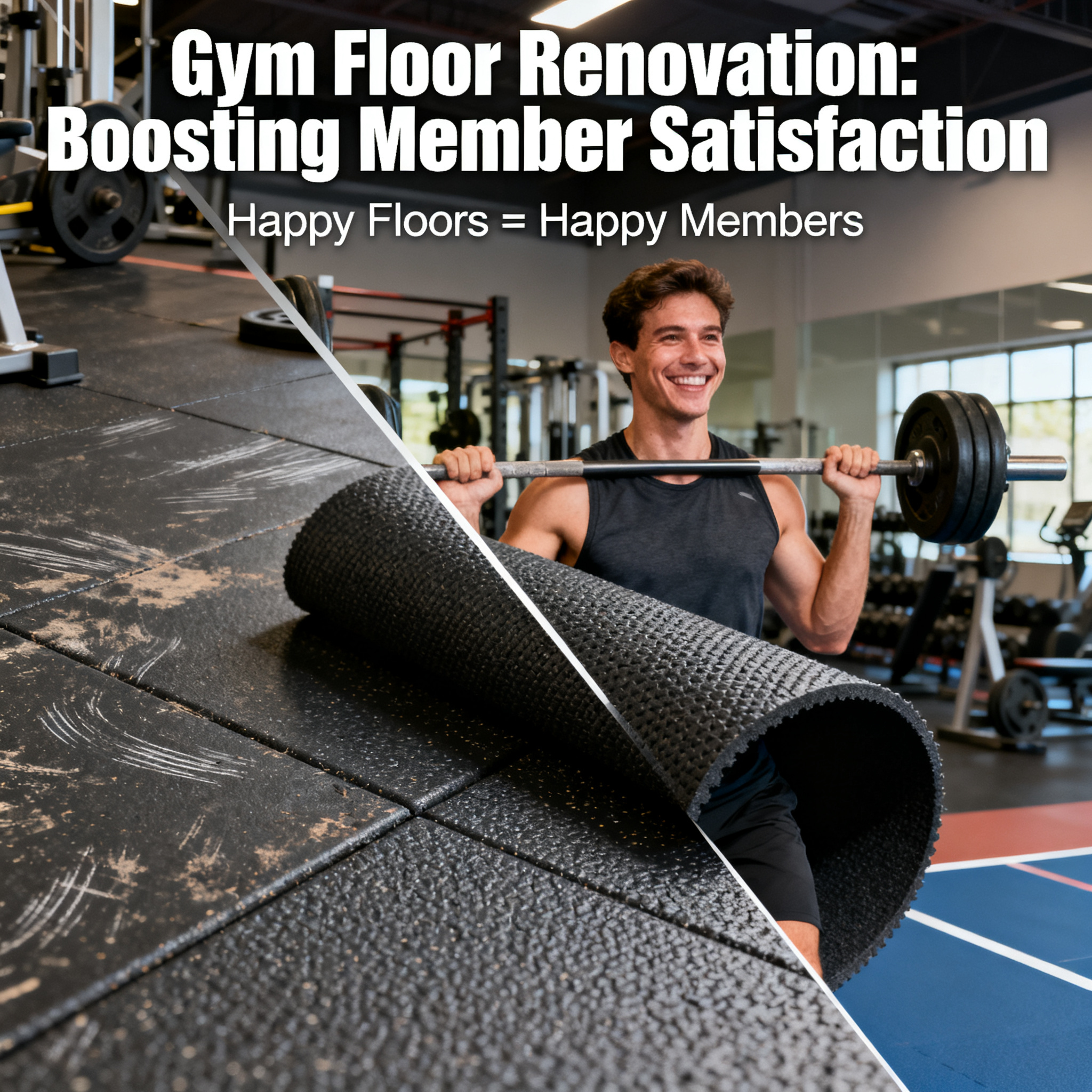
Members' Knees Were 'Protesting,' but I Almost Missed the Signs
It all started last winter. Around that time, I began receiving feedback from several long-time members that their knees felt uncomfortable after deadlifts or aerobics classes. Initially, I chalked it up to poor form and even had trainers closely correct their technique over a few sessions. But instead of decreasing, the complaints grew, and two of my most loyal members—who'd been with me for three years—even hinted to trainers that they were considering switching to a gym closer to their office.
That's when I realized the severity of the issue. After a thorough inspection, the equipment was fine, and the class schedule was reasonable. Finally, I crouched down and pressed my palm against the aerobics room floor—it was rock-hard with zero give. It hit me instantly: it was this cheap, high-density vinyl flooring with almost no shock absorption that was slowly 'gnawing away' at my members' knees and ankles day after day.
That night, I did extensive research and consulted friends in sports facility engineering. The consensus was clear: high-intensity exercise surfaces need adequate cushioning to absorb impact. Especially for group classes and HIIT, which involve lots of jumping, if the floor is too hard, the reactive force travels straight up the bones to the knee joints. It might not be noticeable short-term, but over time, it leads to chronic injuries.
The Material Dilemma: Thickness and Density, Both Non-Negotiable
Once I decided to replace the floor, I dove into material selection. The market was flooded with various brands of PVC sports flooring, with prices ranging from tens to hundreds per square meter. I initially struggled with choice paralysis, but after calming down, I outlined three hard criteria:
First, thickness. Standard residential vinyl is typically only 2-3mm thick, while dedicated sports facility flooring needs to be at least 4.5mm. I ultimately settled on a 5.0mm spec because, for a mixed-use training area, this thickness provides adequate cushioning without being too soft, which could compromise stability during strength exercises like deadlifts.
Second, density and foam layer. This is the most overlooked aspect by novices. Quality sports flooring features a dual-layer structure, especially with a high-density foam backing, to truly achieve the 'absorb-shock-then-rebound' effect. I tested samples by pressing them—the ones that rebounded quickly and offered noticeable resistance were the real deal.
Third, wear layer and slip resistance. Gyms see heavy foot traffic and equipment friction daily. If the wear layer is too thin, it'll peel and flake within a year. Plus, slip resistance is crucial, especially when members sweat—the floor shouldn't turn into an ice rink.
While I was comparing samples, an old classmate who works in facility engineering recommended SQUARE COMFORT. He said the brand has been in sports facility supplies for years, covering everything from billiard tables to table tennis gear to sports flooring, with consistent quality control. I contacted their sales team with some skepticism, but instead of rushing to quote a price, they first asked about my facility's size, class types, daily foot traffic, and even whether my aerobics and strength areas were separate. This approach of understanding needs before proposing solutions convinced me they knew their stuff.
In the end, I chose a 5.0mm-thick PVC sports flooring from SQUARE COMFORT, featuring a high-density foam base and a matte, slip-resistant surface. Before ordering, I requested samples and aggressively scratched them with a key—only faint marks remained, and pressing the edges with my fingernail caused no deformation. That's when I finally breathed a sigh of relief.
The Renovation Process: A Project That Required 'Fitting In' Around Operations
The biggest headache with floor replacement wasn't the cost—it was avoiding a prolonged shutdown. Every day the gym was closed meant pure loss, plus members would complain about having nowhere to work out.
After extensive discussions with the installation crew, we settled on a plan: phased, time-segmented installation.
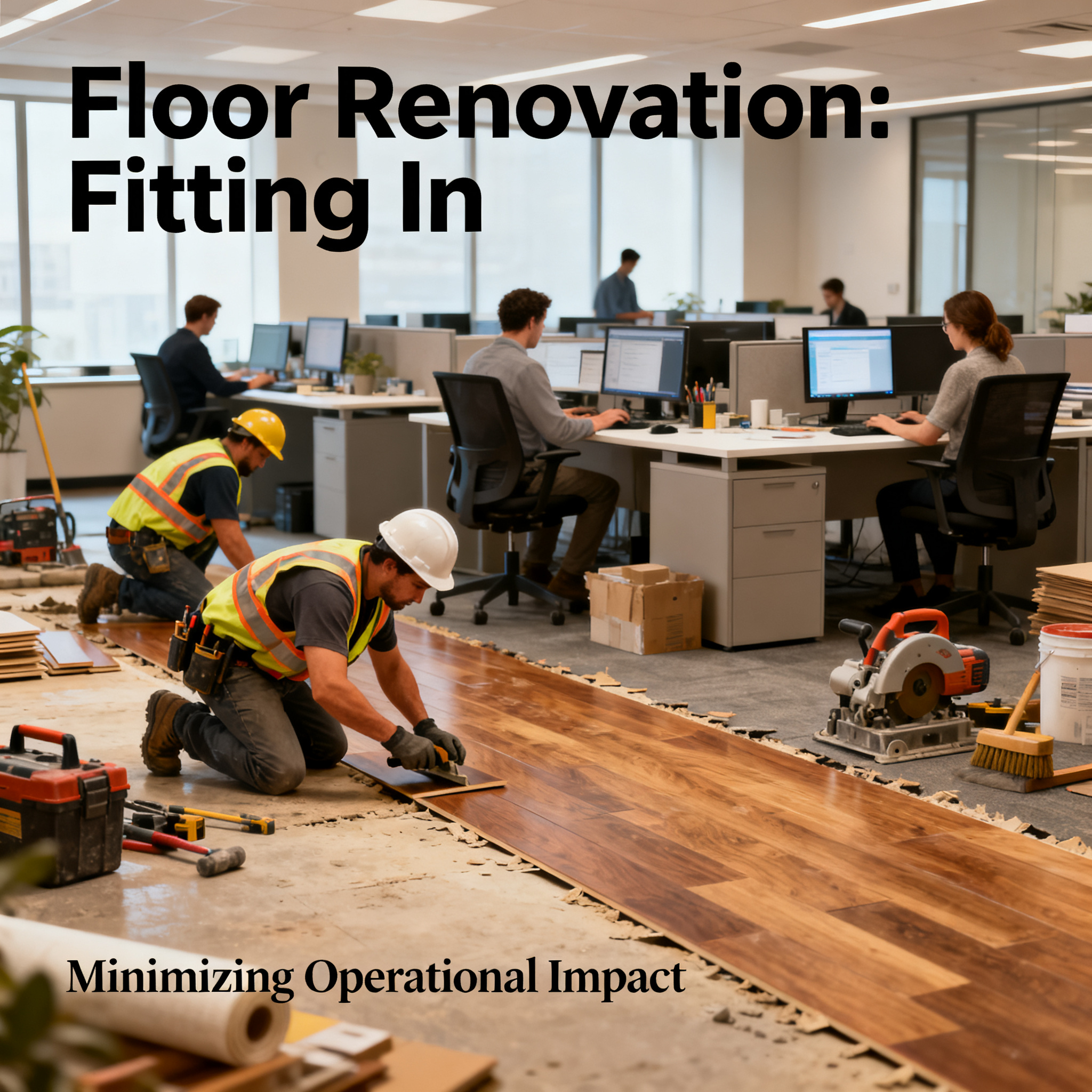
We prioritized the group exercise room, scheduling it over a weekend. After regular closing time on Saturday, workers came in and stripped the old floor overnight. Sunday morning, they began laying the new vinyl. I have to give credit to SQUARE COMFORT's installers—their flooring comes with self-adhesive backing, which demands a level base, but they worked quickly. Using professional trowels and rollers, they pieced it together seamlessly, with joints nearly invisible. By 8 PM Sunday, the entire 200-square-meter aerobics room was transformed.
Monday morning, when the first batch of early-bird class members walked in, several were stunned. One young woman even crouched down, touched the floor, and looked up at me: 'Boss, did you change the floor? It feels so soft and nice.'
At that moment, I knew the money was well spent.
Over the next two weeks, we used weekday evenings to gradually replace the flooring in the free-weight area and stretching zone. Each time, we only cordoned off a small section to minimize disruption to members. It was a bit of a grind, but we never had to close for a single day.
The Changes Were Visible to the Naked Eye
About two weeks after the floor replacement, I noticed a striking shift: members who used to rush out after class were now lingering on the aerobics floor to stretch and cool down.
That member who'd been thinking of switching gyms came up to me and said, 'Boss, my knees feel much better lately. I thought I was just getting old. Turns out it wasn't me—it was your old floor being too hard!' He laughed and renewed his membership for two more years.
Numbers don't lie. Three months post-renovation, I crunched the attendance and renewal rates. Attendance was up about 15%, and that quarter's renewal rate hit an all-time high for our gym. What surprised me even more was that, thanks to the great floor feel, several members spontaneously filmed videos and posted them on Xiaohongshu, saying, 'This gym's floor feels like running on a track—no knee worries during aerobics.' In the comments, people were even asking which gym it was and wanting to try it out.
That wave of free word-of-mouth marketing was something I never anticipated.
A Few Words of Advice from Someone Who's Been There
If you're running a gym or sports facility and are on the fence about flooring, let me share some heartfelt advice.
First, never skimp on the floor. It's the surface members' bodies touch most, aside from equipment. The few bucks you save per square meter could turn into injury reports and membership cancellations down the line.
Second, match thickness and density to your class offerings. If you focus on yoga and Pilates, thinner vinyl is fine. But if you have lots of aerobics and jump-heavy training, go for at least 4.5mm with a foam layer. For strength areas, avoid overly soft floors—they'll make you feel unsteady during squats.
Third, choosing a reputable brand matters. Brands like SQUARE COMFORT, with over three decades of manufacturing experience, offer peace of mind in quality control and after-sales support. I even checked—they're ISO 9001 certified, and companies like Huawei and BYD are their clients. Partnering with such a brand means you won't have to worry about the product failing within six months.
Now, as I walk through the gym and watch members sweat it out on the clean, comfortable floor, I feel a deep sense of satisfaction. The saying 'All greatness starts from under your feet' couldn't be more fitting for gym management. If you're struggling with flooring issues, seriously consider a complete overhaul. After all, when your members' feet are happy, their hearts are happy, and your business will naturally thrive.