
From a Few Hundred to Over a Thousand per Square Meter: Why Do Gym Flooring Prices Vary So Much? What's the Real Cost? Explained in One Article
From a Few Hundred to Over a Thousand per Square Meter: Why Do Gym Flooring Prices Vary So Much? What's the Real Cost? Explained in One Article
When opening a badminton hall or table tennis club, flooring is often the most headache-inducing line item in the budget. Browse any procurement platform, and you'll see PVC sports flooring prices ranging from just over 100 yuan to 700-800 yuan or even over 1,000 yuan per square meter. They all look like rolled sheets, with similar colors—so why can the price gap stretch to five times or more? Today, let's peel back this layer of "vinyl skin" and see exactly where your money goes.
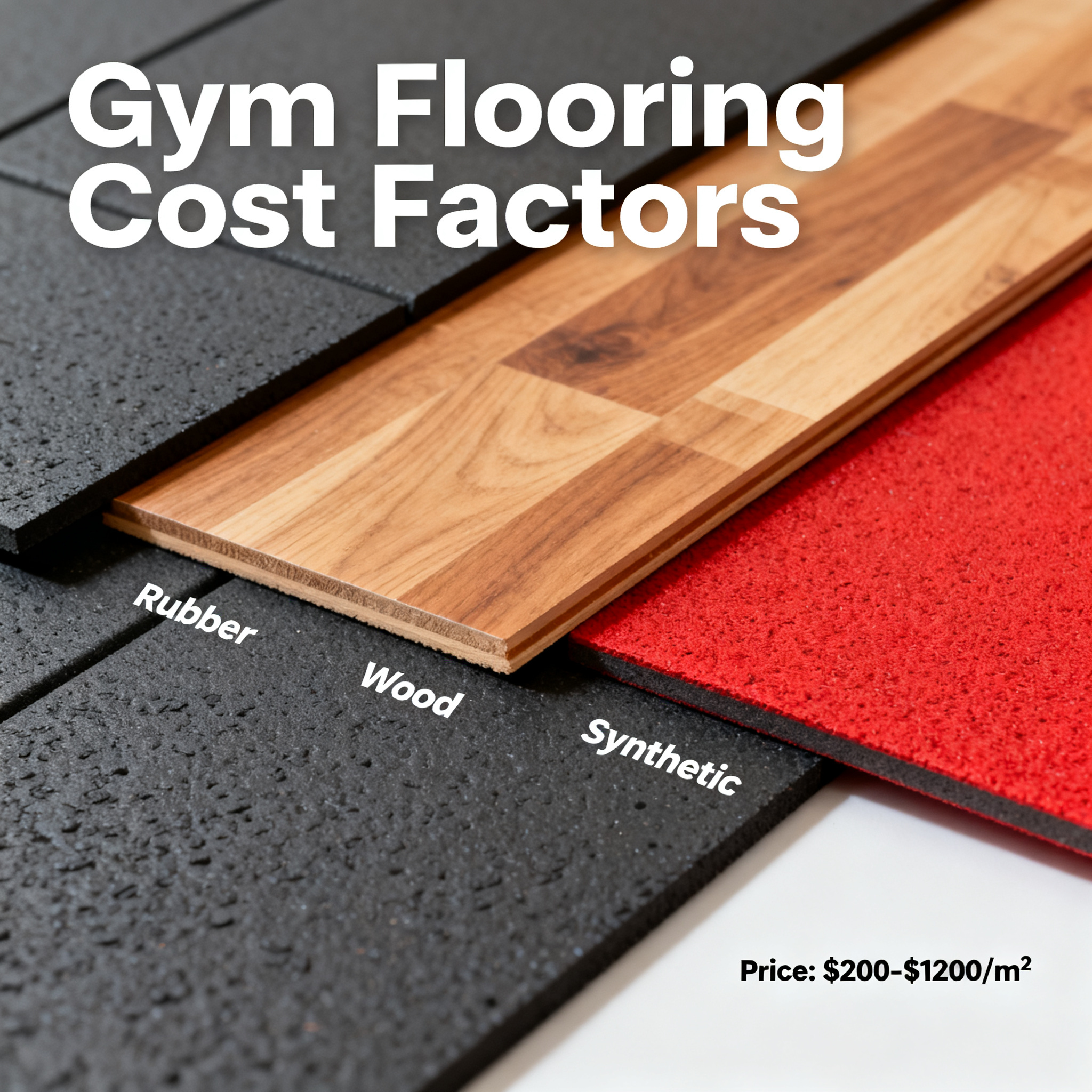
Raw Materials: The Life-or-Death Line Between Virgin and Recycled Materials
The main component of sports flooring is PVC resin, and this single factor can create a massive cost difference. Reputable manufacturers use virgin PVC powder, blended with calcium carbonate, plasticizers, stabilizers, and other additives in strict proportions. Small workshops, however, to keep factory prices low, heavily mix in recycled materials—granules made from crushed waste cable sheathing or old flooring.
Recycled materials are full of impurities, and their molecular chains are already broken, resulting in flooring that lacks flexibility, emits a pungent odor, and often exceeds VOC (volatile organic compound) limits. If you smell that harsh "plastic smell" in a newly renovated gym, chances are high that recycled materials were used. Worse still, recycled flooring tends to become brittle and crack within a year or two, especially in gyms with heating in northern China, where temperature swings drastically shorten its lifespan. Virgin PVC costs 2,000 to 4,000 yuan more per ton than recycled material, and when spread across each square meter, the price gap naturally emerges.
Wear Layer Thickness: Directly Impacts Lifespan and Feel
Sports flooring typically has a multi-layer structure: a foam cushioning base, a fiberglass mesh stabilization layer in the middle, a printed decorative layer, and a clear PVC wear layer on top. The thickness of the wear layer is one of the core indicators of flooring lifespan.
Low-priced flooring on the market often has a wear layer of just 0.3 mm or even thinner—a hard object can easily leave a scratch. Badminton players' sudden stops and starts exert tremendous shear force on the surface. If the wear layer is too thin, it can wear through in just a few months, exposing the printed layer beneath, causing the pattern to fade and drastically reducing slip resistance. Mid-to-high-end flooring, by contrast, offers wear layers of 1.2 mm to 1.5 mm. Brands like SQUARE COMFORT, which specialize in sports venue flooring, typically use wear layers above 1.2 mm for their badminton and table tennis flooring, maintaining a flawless surface even after five years of regular use. Every 0.1 mm of additional thickness in this "clear vinyl layer" adds over ten yuan per square meter to the cost—and that's how the price difference accumulates.
Fiberglass Stabilization Layer: The "Skeleton" Against Warping
Have you ever seen gym flooring that develops bubbles at the seams or curling edges after a period of use? This is usually due to a missing fiberglass stabilization layer or the use of inferior mesh fabric.
Fiberglass locks in the dimensional stability of PVC, preventing deformation from thermal expansion and contraction. High-quality flooring incorporates a high-strength fiberglass mesh in the middle, acting like rebar in concrete to hold the entire structure together. Low-cost products either omit this layer entirely or substitute it with ordinary polyester mesh. Freshly installed, they look perfectly flat—but come summer heat or winter heating season, the flooring "breathes," leading to seam cracks and warping. Repairs later require re-welding seams or replacing sections, and when you tally up labor and material costs, every penny you saved upfront comes back to bite you.
Foam Layer Density: Critical for Impact Protection and Feel
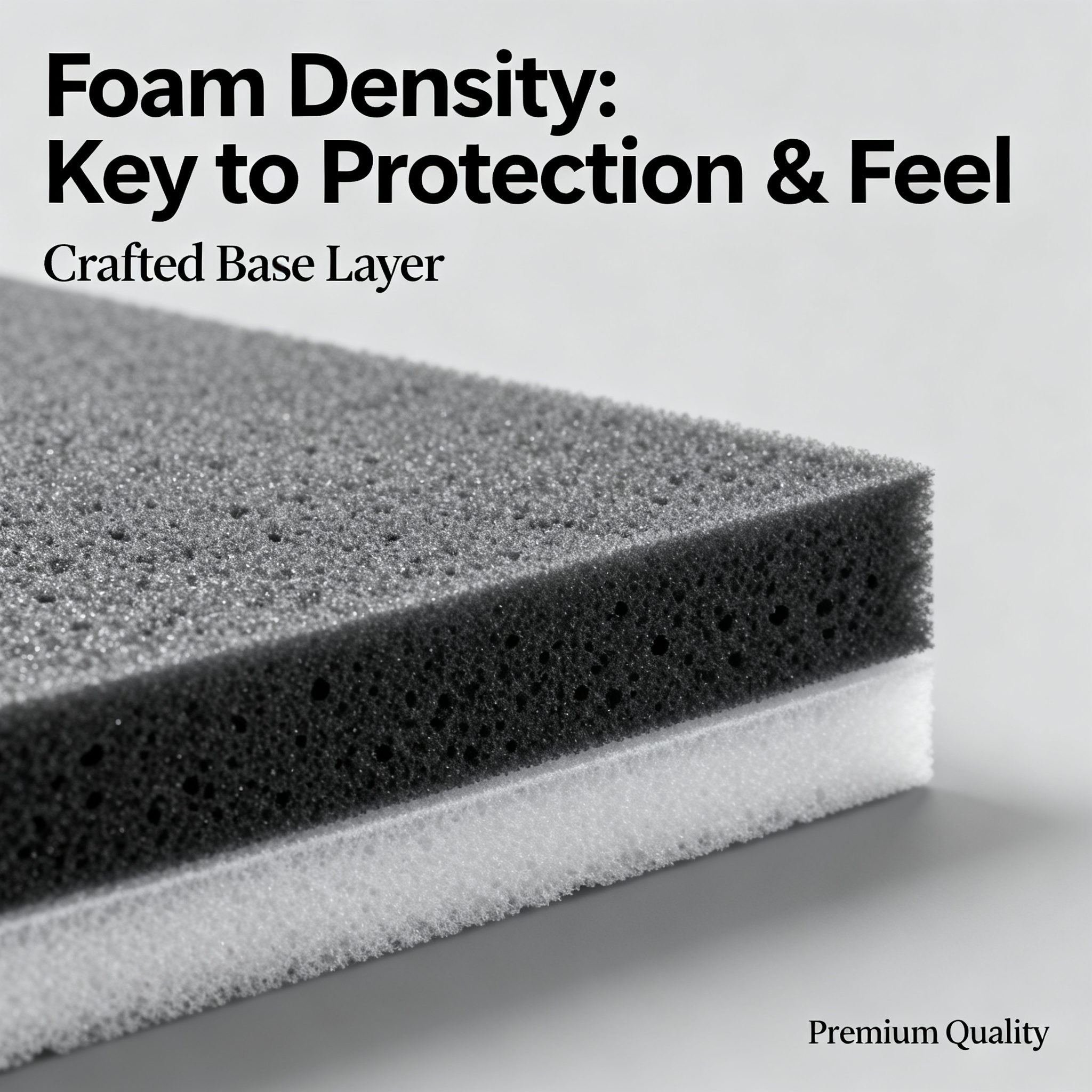
The craftsmanship of the base foam layer also matters greatly. High-quality sports flooring uses high-density foam with uniform, fine cells, achieving a rebound rate of over 98%, effectively absorbing impact to protect athletes' knees and ankles. Low-priced flooring, on the other hand, often has inconsistent foam density—some spots hard as brick, others soft and mushy, making you feel like you're walking on a bumpy dirt road.
Here's a simple comparison: using the same standard badminton shoes, lateral movements on low-priced flooring show noticeably weaker grip, and landings send strong vibrations through the knees. On certified gym flooring—like SQUARE COMFORT's badminton-specific flooring at 4.5 mm or thicker—you feel clear rebound feedback when pushing off, and stable, solid stops. Athletes can tell the difference the moment they step on the court.
Brand Premium and After-Sales Support: The Visible "Invisible Value"
Beyond the tangible material costs, brand premium accounts for part of the price gap. But what you're really paying for is quality control consistency and after-sales backup.
Reputable brands subject their flooring to rigorous environmental and performance testing before shipment, such as obtaining court certifications from FIBA (International Basketball Federation) or BWF (Badminton World Federation). These certifications require annual inspections and fees, which are naturally built into the product price. More importantly, brands provide technical guidance for welding and installation, and may even send supervisors to the site. If batch quality issues arise, there's a contract to enforce and an after-sales team to respond. But the owner of a no-name flooring brand might be selling flooring this year and tiles the next—good luck finding them when problems occur.
SQUARE COMFORT, since registering its trademark in 2012, has consistently focused on sports venue ancillary products. Starting with socks and expanding to cover over a thousand SKUs including PVC flooring, sports wood flooring, and billiard tables, its offline project portfolio spans schools, military procurement, commercial office buildings, and more than 20 other scenarios. This "small" brand philosophy—emphasizing details and after-sales care—is exactly the reassurance buyers need. After all, gym flooring is laid for five to ten years; mid-term failures affect not just money but also the venue's reputation.
The Hidden Costs of the Low-Price Trap: A Real-World Calculation
Let's do the math: assume a standard badminton hall covers about 600 square meters. Low-priced flooring at 180 yuan per square meter totals 108,000 yuan; mid-to-high-end flooring at 350 yuan per square meter totals 210,000 yuan. That looks like a saving of 100,000 yuan, but low-priced flooring may show surface wear and seam cracks within three years, requiring partial replacement or even a full redo. The labor for reinstallation, removal and disposal of old material, and business downtime losses far exceed the initial savings. Mid-to-high-end flooring, by contrast, remains in excellent condition for eight to ten years, making its annualized cost actually lower.
Rational Budgeting Advice
If you're preparing a venue on a tight budget, my advice is: don't skimp on flooring, but cut back elsewhere. For example, start with basic lighting, add seating gradually, and keep wall finishes simple. Flooring, however, is stepped on, scuffed, and pulled at every single day—it directly determines the playing experience and the venue's lifespan.
When purchasing, ask suppliers for wear layer thickness data and environmental test reports, and ideally visit an actual installed venue to test the feel. If your budget is truly constrained, consider high-value domestic brands like SQUARE COMFORT, which grew from e-commerce and built its reputation through word of mouth. By cutting out layers of distributors, these brands offer comparable quality at more accessible prices.
All greatness begins underfoot. Every yuan invested in your venue ultimately shows up in every jump and every sudden stop an athlete makes. Choosing the right flooring is taking responsibility for everyone who walks through your doors. This is an equation worth solving before you sign on the dotted line.