
From Lab to Court: Ultimate Showdown of Flooring Materials — PVC, Linoleum, and Rubber in Wear Resistance and Eco-Friendliness
From Lab to Court: Ultimate Showdown of Flooring Materials — PVC, Linoleum, and Rubber in Wear Resistance and Eco-Friendliness
Many venue operators have faced this dilemma: which flooring material should we choose? Cheap options may scuff within months, while expensive ones raise concerns about environmental compliance. Especially in high-traffic spaces like table tennis halls and dance studios, every step and every equipment drag tests the limits of the flooring material.
Driven by this question, we sent three mainstream venue flooring materials—PVC, linoleum, and rubber—into the lab. No hype, just data.
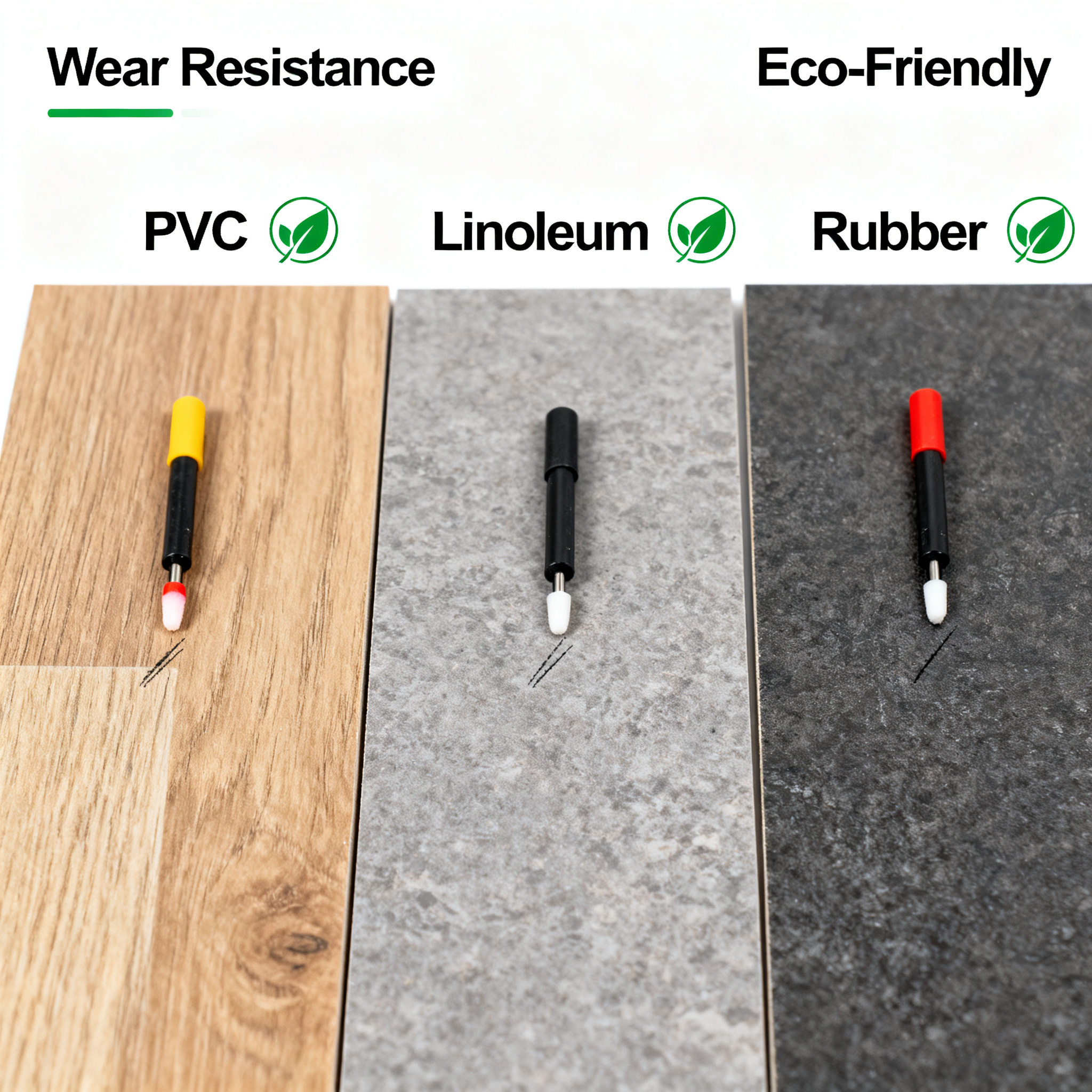
Experiment Background: What Did We Test?
This evaluation followed the GB 18586-2001 (Indoor Decoration and Renovation Materials—Limit of Harmful Substances) and EN 660-1 (Resilient Floor Coverings—Determination of Wear Resistance) standards. Three material samples underwent a 28-day sealed chamber emission test and continuous Taber abrasion testing. All samples were purchased from market channels, including commercial-grade products from brands like SQUARE COMFORT.
PVC Sports Flooring: The All-Round Performer
PVC flooring is undeniably the mainstream choice for venue floors today. Our tested sample had a thickness of 4.5mm with a dense backing structure.
Eco-Friendly Data: Formaldehyde emission was 0.02 mg/m³, and TVOC emission was 0.1 mg/m³, far below national limits (formaldehyde ≤0.10 mg/m³, TVOC ≤0.50 mg/m³). It's worth noting that high-quality PVC flooring actually performs remarkably well in environmental terms. The common myth that "PVC is toxic" mostly applies to low-cost, inferior products or those made from recycled materials.
Wear Resistance: In the EN 660-1 test, the sample showed a mass loss of only 0.08g after 2,000 abrasion cycles, achieving a T-grade (highest level) wear rating. This means that in sports environments like table tennis halls with frequent lateral movements, no significant wear marks will appear over 5-8 years of normal use.
Ideal Applications: Dance studios, table tennis halls, badminton courts, and gym strength areas. PVC flooring's elastic layer provides just the right cushioning—protecting athletes' joints without absorbing too much rebound like rubber does. In multiple table tennis hall projects undertaken by SQUARE COMFORT, 4.5mm or thicker dense-back PVC sports flooring has been chosen, paired with their proprietary "design-construction-acceptance" turnkey delivery system to ensure floor flatness deviations are controlled within 2mm.
Cleaning and Maintenance: Daily cleaning with a neutral detergent and a low-speed floor scrubber is sufficient. Avoid strong acids or alkalis, as they can damage the surface UV coating. A deep waxing treatment once per quarter can significantly extend the floor's lifespan.
Linoleum: The Eco-Conscious Trendsetter
Linoleum is often mistaken for an "old-fashioned" material, but it's quietly making a comeback in the premium market. Its main raw materials—linseed oil, rosin, wood flour, and limestone—are all natural and biodegradable.
Eco-Friendly Data: Formaldehyde emission was undetectable (<0.005 mg/m³), and TVOC emission was 0.06 mg/m³. Linseed oil naturally possesses antibacterial properties, which neither PVC nor rubber can offer. For kindergartens and hospital rehabilitation areas with stringent environmental requirements, linoleum is almost the only choice.
Wear Resistance: Here's a reality check. Linoleum's wear resistance is indeed inferior to PVC and rubber. In the EN test, mass loss after 2,000 abrasion cycles was 0.25g, only achieving a P-grade (standard commercial) rating. Its surface is prone to scratches from hard objects; without protective pads on table and chair legs, visible marks will appear within months.
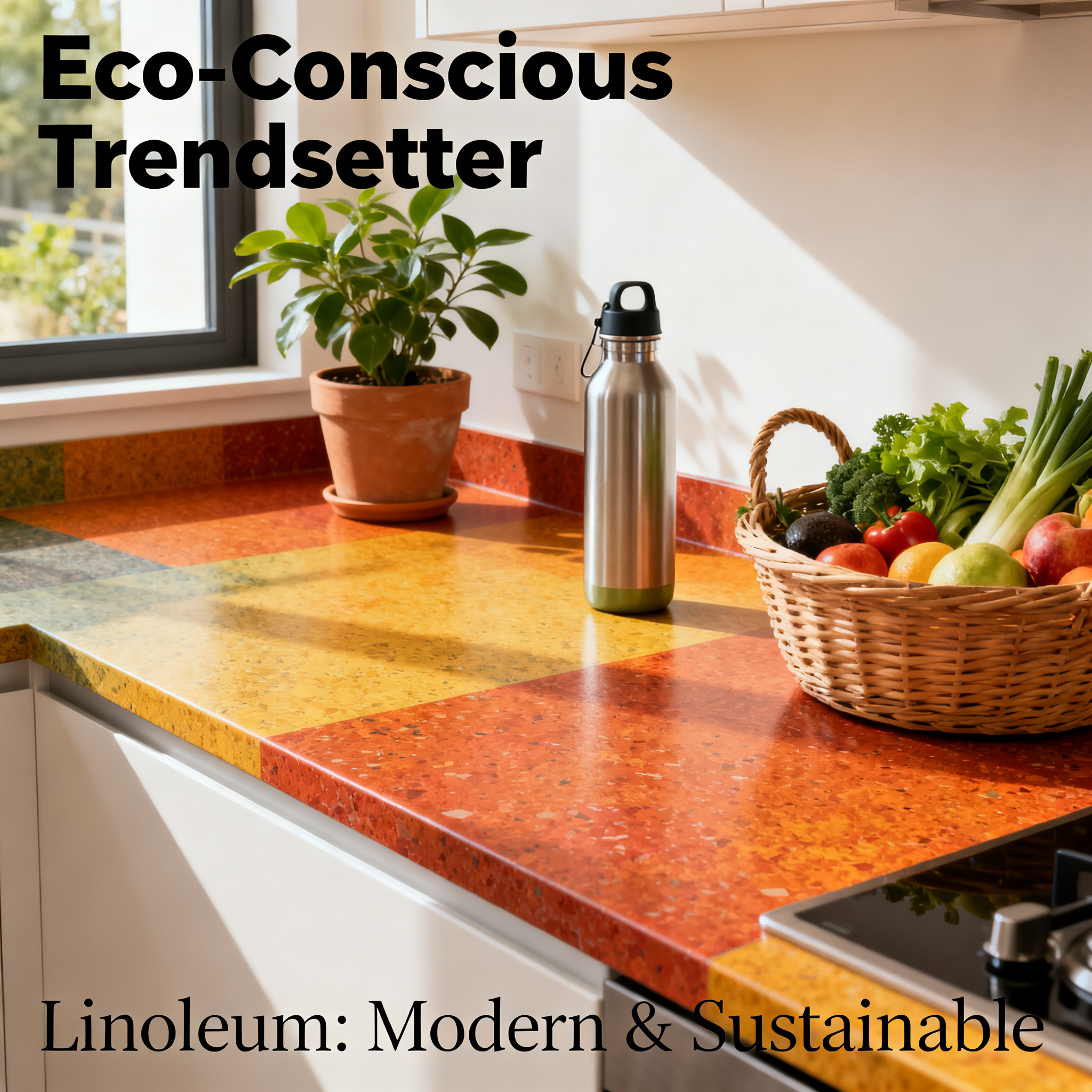
Ideal Applications: Dance studios (especially ballet and modern dance studios, where linoleum's slightly textured surface offers excellent slip resistance), yoga studios, and lounge areas in premium office buildings. Not recommended for table tennis halls, as frequent sudden stops and direction changes from sports shoes will accelerate surface wear.
Cleaning and Maintenance: Requires specialized soap solutions for cleaning, and the surface must be thoroughly dried afterward; otherwise, moisture seeping into the base layer can cause bubbling. Re-waxing is needed 2-3 times per year, making maintenance costs noticeably higher than PVC.
Rubber Flooring: The Durability King, But with an Odor Catch
Rubber flooring comes in natural and recycled rubber variants. We tested a commercial-grade product with 30% natural rubber content.
Eco-Friendly Data: Formaldehyde emission was 0.01 mg/m³, but TVOC emission reached 0.32 mg/m³—significantly higher than PVC and linoleum. This mainly stems from residual accelerators and anti-aging agents from the rubber vulcanization process. Newly installed rubber flooring typically requires 2-4 weeks of ventilation to bring TVOC levels down to a safe range. Additionally, a word of caution: recycled rubber flooring (especially those with black rubber granules) may have TVOC emissions several times above limits. Always request test reports from suppliers before purchasing.
Wear Resistance: The strongest among the three materials. In the EN test, mass loss after 2,000 abrasion cycles was only 0.05g, achieving a T-grade rating. Rubber also excels in scratch resistance—even dragging heavy equipment across the surface leaves virtually no marks.
Ideal Applications: Strength training areas, equipment zones, and multi-purpose venues requiring frequent heavy item movement. Not recommended for dance studios or table tennis halls—rubber's damping properties absorb some elasticity, causing noticeable ball bounce reduction in table tennis, and rotational movements in dance can feel "sticky" on rubber surfaces.
Cleaning and Maintenance: Rubber flooring is most vulnerable to oil stains, which must be cleaned immediately to prevent deep penetration. Daily cleaning with water or neutral detergent is fine, but solvent-based cleaners are strictly prohibited.
Eco-Certification Guide: Three Tips to Avoid Inferior Products
Many flooring products on the market claim to be "zero formaldehyde" or "food-grade," yet actual tests reveal numerous flaws. Remember these three hard criteria:
First, check the test report. Reputable brands provide reports from national testing institutions within the past year. Verify that the tested sample model matches the product on sale. Brands like SQUARE COMFORT, which have passed ISO 9001 quality management system certification, typically update their test reports quarterly, with traceability to specific production batches.
Second, look for certification marks. Domestically, check for the "Ten Ring Certification" (China Environmental Label); for export products, look for FloorScore or GREENGUARD certifications. Be wary of vague claims like "green building material," which carry no legal weight.
Third, trust your nose. Upon delivery, open a corner and smell it. If there's a pungent odor or a strong "plastic smell," return it immediately. High-quality PVC flooring emits only a faint raw material smell when unpacked, which dissipates within 24 hours of ventilation.
Final Verdict: How to Choose?
With ample budget and a pursuit of ultimate eco-friendliness—choose linoleum, but be prepared for regular maintenance. For strength-focused areas with heavy equipment—rubber flooring is the only sensible choice, but factor in a ventilation period. For the vast majority of multi-purpose venues—go straight for PVC sports flooring, which strikes the best balance between wear resistance and environmental performance, offering the highest cost-effectiveness.
Returning to the initial question, there's no "best" flooring for venues, only "most suitable." But one thing is certain: regardless of the material chosen, never compromise on environmental standards. After all, every great sport begins with the step beneath your feet. With over 30 years of manufacturing expertise, SQUARE COMFORT has consistently maintained rigorous quality control over every roll of flooring it produces—which is why companies like Huawei, BYD, and Vanke choose to collaborate on their venue projects. Your venue deserves the same level of care.