
Yellowing and Curling Edges on Sports Flooring? Expert Tips for Daily Maintenance and Renovation of Venue Flooring
Yellowing and Curling Edges on Sports Flooring? Expert Tips for Daily Maintenance and Renovation of Venue Flooring
As a venue operator, you might have faced this frustration: after spending a fortune on high-quality PVC sports flooring, just two or three years later, the once-vibrant colors start to yellow, edges quietly curl up, and you feel unevenness underfoot during play. Before blaming the flooring quality, know this—many times, the issue lies in how it's cared for. Flooring is like a recipe: 30% installation, 70% maintenance. Today, let's dive into the daily upkeep and renovation of venue flooring.
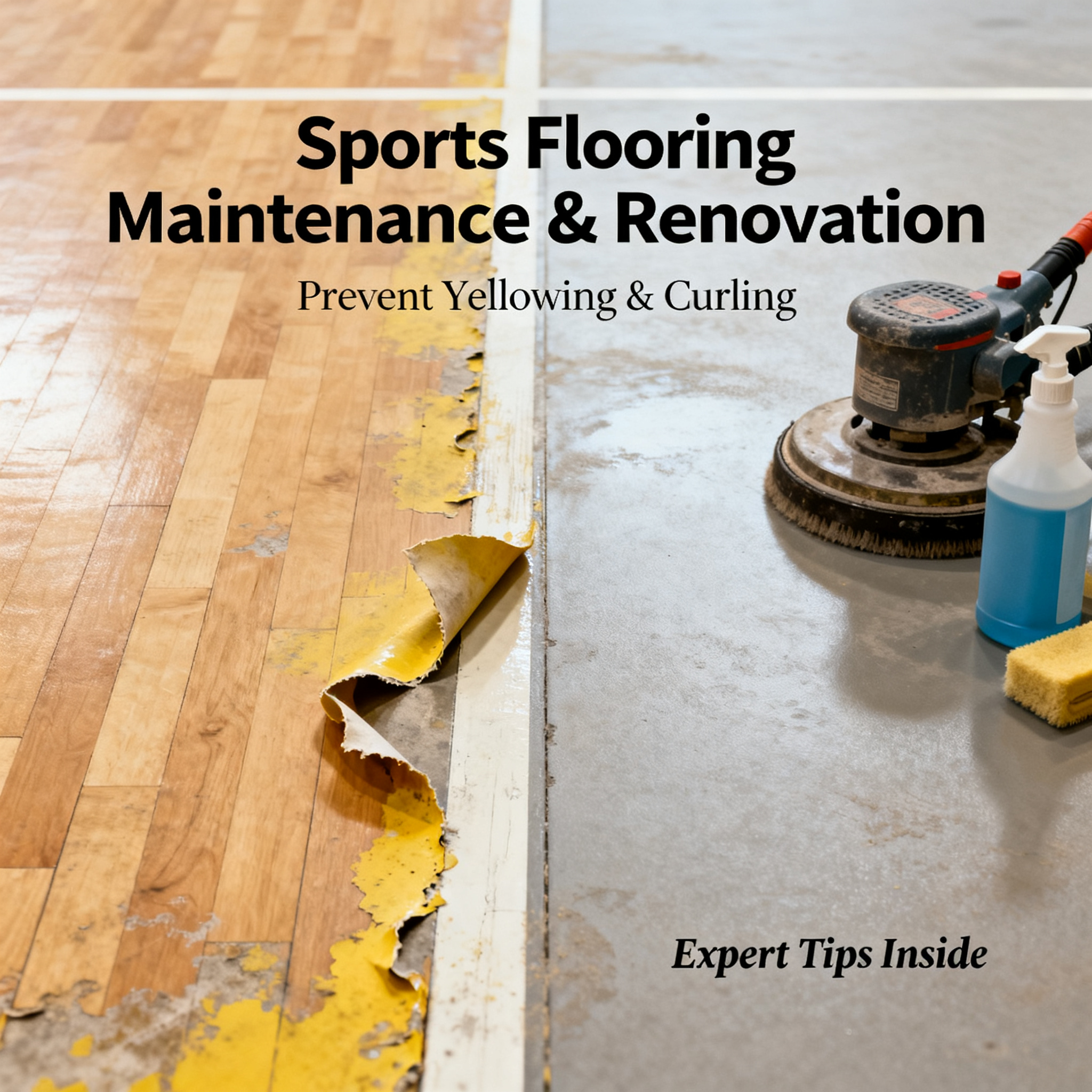
First, Understand: Why Does Flooring Age Prematurely?
Yellowing, curling edges, and wear—these three words sum up the most common "midlife crisis" for flooring. Yellowing is typically caused by UV oxidation and improper cleaner use. Many venues, for convenience, mop with strong alkaline industrial cleaners. It looks clean short-term, but over time, it silently corrodes the wear layer on the flooring surface, accelerating aging. Curling edges often stem from insufficient expansion joints during installation, combined with temperature and humidity changes that cause the flooring to expand and contract. With no room to release stress, edges push upward. As for wear, it's an unavoidable physical law, especially in badminton jump zones or table tennis footwork areas, where high-frequency friction gradually smooths out surface textures, reducing slip resistance.
Daily Maintenance: Don't Let Small Issues Become Big Problems
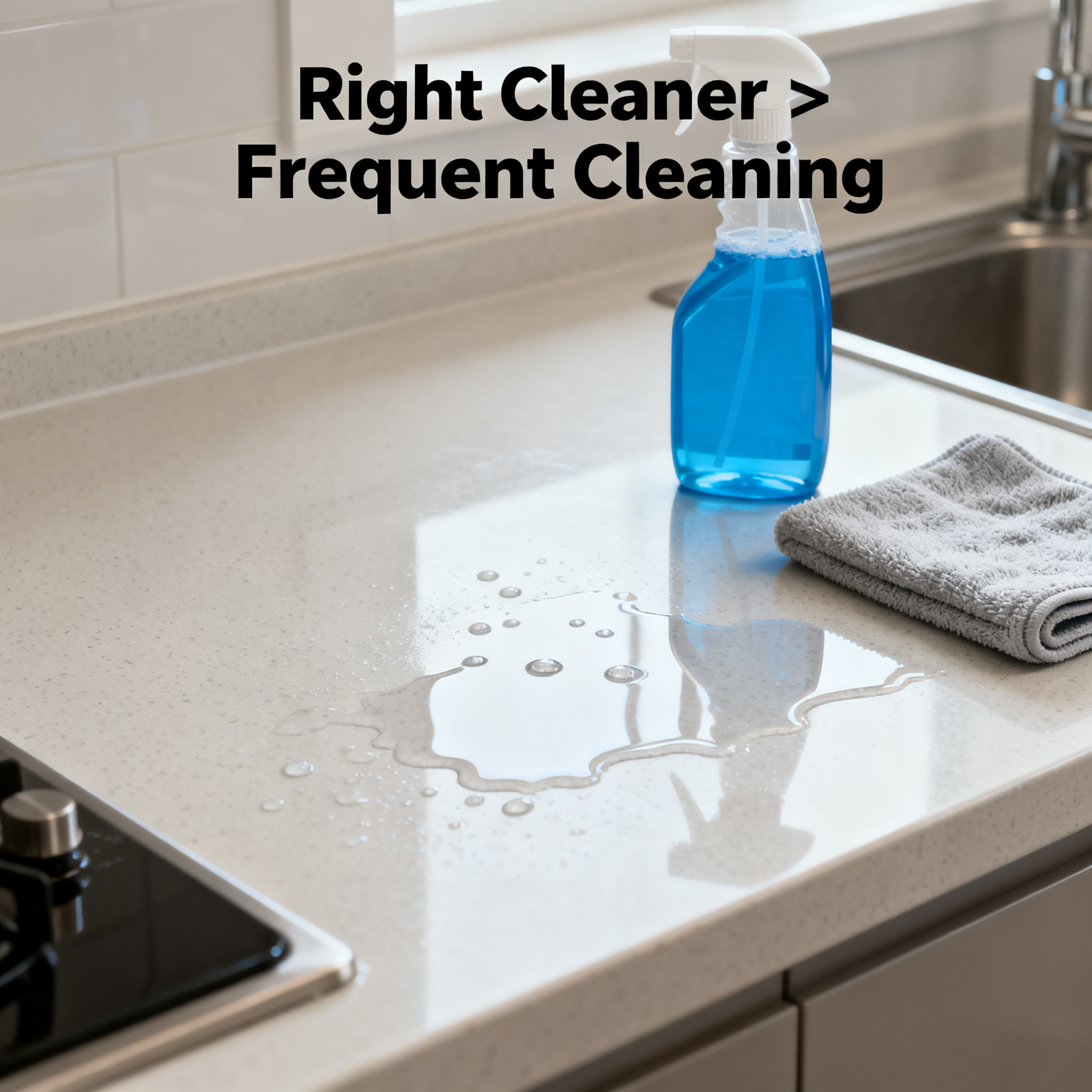
Choosing the right cleaner matters more than frequent cleaning. Stop using those "one-wipe shine" heavy-duty stain removers. The correct approach is to use a neutral pH-specific flooring cleaner with a soft mop or scrubber. For daily cleaning, first use a dust mop to pick up sand particles—this step is crucial. Sand acts like a sharpening stone for flooring; if not removed promptly, every step becomes a micro-cut. When mopping, control water usage. While flooring is waterproof, prolonged water pooling can cause seam adhesive to fail, and once moisture seeps into the base, curling edges are not far behind.
Waxing and polishing: Give flooring an invisible armor. Many venue operators don't realize that PVC sports flooring can be waxed. Professional sports flooring has special anti-slip textures; waxing isn't about making the floor "shine" but filling micro-scratches to form a protective layer. It's recommended to do a deep clean and wax every six months, using a high-speed polisher with specialized care wax, applied thinly. A word of caution: don't skimp by buying regular floor wax. Sports flooring needs professional wax with certified slip resistance and friction coefficients; otherwise, the floor becomes as slippery as an ice rink, sharply increasing the risk of sports injuries.
Local repairs: Don't replace the whole floor for small damage. If only a small area has dents from heavy objects or burn marks from cigarette butts, there's no need to replace the entire floor. You can fill these with repair putty in the same color, or use a utility knife to cut out a regular shape around the damage and replace it with spare flooring from the same batch. Many manufacturers provide a small amount of matching leftover material upon delivery—be sure to ask about this at purchase. Brands like SQUARE COMFORT remind customers to keep offcuts after project completion for future repairs, a practical detail worth noting.
When Is Full Renovation Needed? Don't Just Patch It Up Forever
If flooring shows any of these three signs, it's reached the tipping point for full renovation: first, large-scale curling edges that persist despite multiple repairs, indicating base or adhesive failure; second, surface textures completely worn down, significantly reducing slip resistance, making you feel slippery underfoot during sports; third, severe color fading that harms the venue's overall image and professionalism.
Full renovation doesn't always mean "tear it all out and start over." If the concrete base is still level and only the surface layer is aged, you might consider directly installing new flooring over it. However, the thickness, elasticity, and friction coefficient of the new and old flooring must match; otherwise, height differences at seams can create new safety hazards. If the base is sandy or cracked, you must completely remove the old flooring, redo self-leveling, and then install new material. This process is best handled by professional installation teams, as the flatness of flooring installation directly determines its lifespan. Money saved by DIY often comes back to haunt you in higher maintenance costs later.
Leave It to the Pros: Think of It as a Regular Checkup
After all this, the key takeaway is this: venue flooring maintenance isn't about "fixing when problems arise" but "preventive care." Just like regular car servicing, flooring needs an annual "checkup." Professional sports facility suppliers offer inspection services—periodically sending technicians to check seams, edges, and flatness on-site, catching potential issues early. For instance, SQUARE COMFORT's after-sales system includes an "annual safety inspection," along with monthly phone follow-ups on usage, providing full technical guidance from installation and commissioning to repairs. This kind of service saves venue operators more than just a little hassle.
At the end of the day, flooring is the "face" of a venue and the "foundation" of sports safety. A single professional maintenance session could save you the cost of replacing the entire floor next year. If you're troubled by yellowing or curling edges, start with a comprehensive inspection, then decide between local repairs or full renovation. A good flooring brand can last you eight to ten years—it all depends on whether you're willing to invest a bit of effort to keep it looking and performing its best.
After all, every great journey begins underfoot.