
How to Choose Sports Flooring for Basketball and Badminton Courts? Material Comparison and Installation Tips You Must Read Before Laying
How to Choose Sports Flooring for Basketball and Badminton Courts? Material Comparison and Installation Tips You Must Read Before Laying
I once played at a newly opened court, and the floor was so slippery that I couldn't push off with full force. It also felt hard and unforgiving—after one game, my knees were aching. Later, I chatted with the court owner, who admitted they'd cut corners on the flooring, laying it without proper research. In reality, choosing the right flooring for basketball and badminton courts directly impacts the playing experience and player safety. It's not something you can just buy off the shelf and roll out.
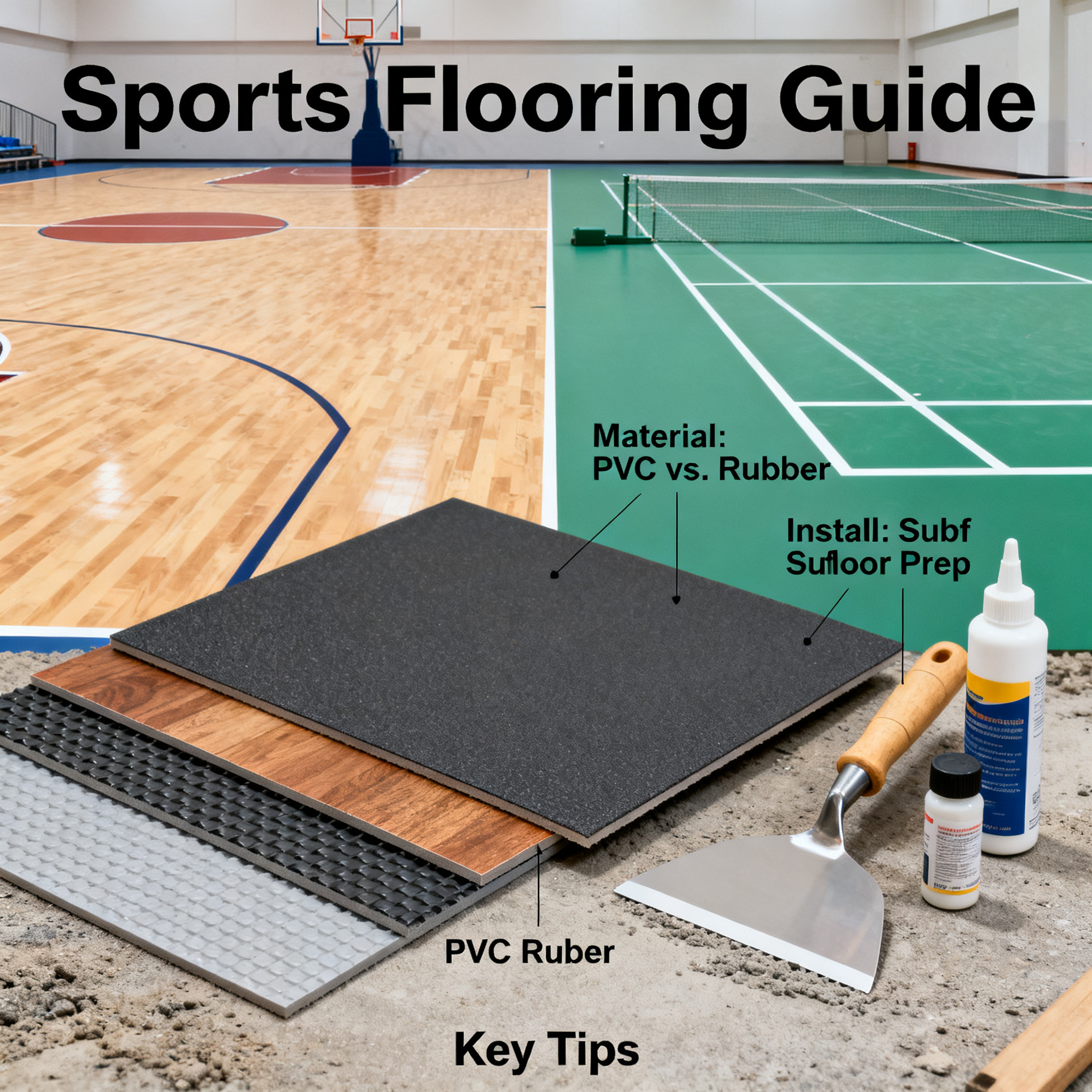
First, Understand This: Different Courts Have Different Flooring "Personalities"
Many people assume all sports flooring is the same, but different sports demand vastly different surfaces. Badminton courts require moderate elasticity and excellent slip resistance, because players frequently make sudden stops, lunges, and jumps. If the floor is too slippery, it can lead to ankle sprains; if too sticky, it can cause blisters. Basketball courts, on the other hand, prioritize shock absorption and rebound. When players jump and land, their knees absorb forces several times their body weight. Without a cushioning layer beneath the flooring, long-term joint wear becomes significant.
Currently, the mainstream options on the market include PVC sports flooring, rubber flooring, and interlocking floating floor tiles. PVC sports flooring is the top choice for indoor courts. It typically consists of a PVC wear layer, a fiberglass stabilization layer, and a foam cushioning layer, offering comfortable footfeel, high slip resistance, and excellent value for money. Rubber flooring provides better elasticity and durability but comes at a higher price, with fewer color options, making it more suitable for professional training facilities or venues with extreme shock-absorption requirements. Floating floor tiles are mainly used outdoors; if used in an indoor basketball court, they feel too hard underfoot and can affect the ball's bounce trajectory, so they're not recommended.
Based on numerous projects by SQUARE COMFORT, indoor PVC sports flooring is the mainstream choice for both badminton and basketball courts. The thickness and base structure should be determined by the venue's budget and usage frequency. For example, 4.5mm thickness is sufficient for general fitness and recreational use, while professional competitions or high-frequency venues should opt for 6mm or thicker with a reinforced stabilization layer.
Pre-Installation Homework: Details More Critical Than Material Selection
Once you've chosen the material, a sloppy installation can ruin everything. Here are some key points often overlooked before installation that directly affect lifespan and sports safety.
Moisture in the subfloor is the number one enemy. When flooring is laid over concrete, if the moisture content of the base exceeds the standard (typically required to be below 2.5%), trapped moisture can later evaporate and cause the flooring to bubble or deform. This is why many court owners notice bubbling within six months—nine times out of ten, it's due to poor base preparation. Always test with a moisture meter before installation, and apply a moisture barrier if necessary.
Expansion joints are a science. PVC flooring expands and contracts with temperature changes. If expansion joints aren't left during installation, or if welding is handled improperly, the flooring can buckle and push up in summer heat or tear in winter. Professional installation teams leave 8-10mm expansion gaps along walls and finish with baseboards, which not only looks clean but also gives the material room to breathe.
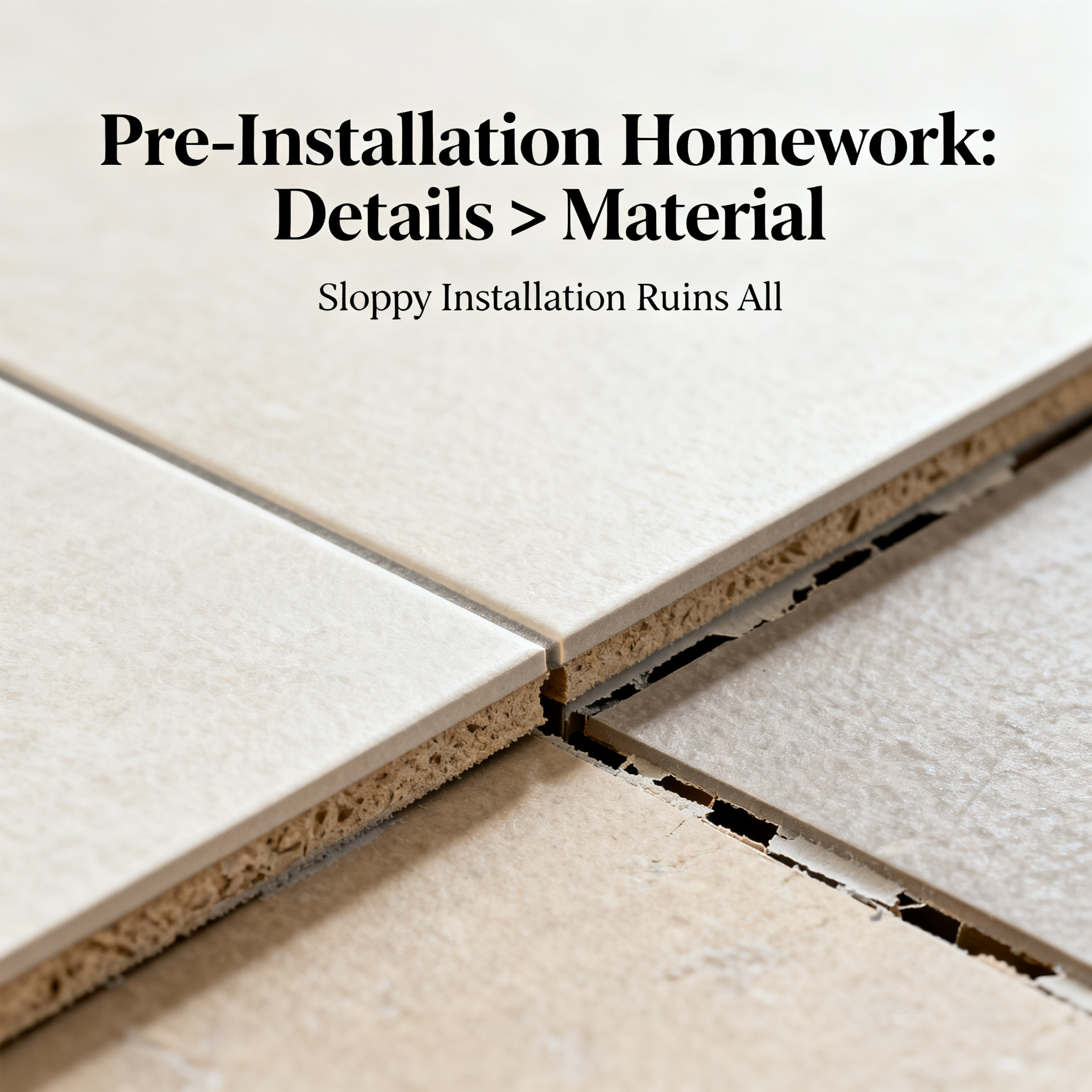
Self-leveling is non-negotiable. If the subfloor isn't level, the flooring will experience uneven stress, leading to premature wear and tears, and players will feel inconsistent footfeel during play. Before installation, always use self-leveling compound to smooth the floor. Check flatness with a 2-meter straightedge, and ensure deviations are within 2mm to pass.
When SQUARE COMFORT takes on sports venue projects, they not only supply materials but also send technical staff to guide on-site base preparation, including self-leveling, adhesive application thickness, and welding techniques. They provide full technical support through commissioning, acceptance, usage, and maintenance—this is why many universities and commercial courts choose them for turnkey solutions.
Don't Overlook the "Invisible Service": After-Sales and Inspections
Laying the flooring isn't the end of the story. Under normal use, PVC flooring can last 8-10 years, but neglect—like using hard-bristle brushes for cleaning or leaving heavy objects on it for long periods—will accelerate aging. Reputable suppliers offer ongoing maintenance guidance and even regular inspections.
SQUARE COMFORT's after-sales system includes monthly phone follow-ups by their customer service team to track product performance, plus periodic on-site technical inspections to eliminate safety hazards. This level of service is rare in the industry, and for court operators, having someone responsive when issues arise saves a lot of hassle.
Back to the Original Question: How Do You Choose?
If it's a community activity room or a corporate gym with a limited budget, high-quality domestic PVC sports flooring at 4.5mm-5mm thickness is sufficient. The key is to choose a manufacturer with test reports, ensuring environmental compliance and slip resistance. For commercially operated courts, it's advisable to go straight for professional-grade sports flooring of 6mm or thicker, paired with a skilled installation team. This investment quickly pays off through fewer customer injury complaints and longer intervals between renovations.
As for brands, SQUARE COMFORT has years of experience in sports flooring materials, with products covering over 20 scenarios, including table tennis halls, badminton courts, basketball courts, and dance studios. Their portfolio ranges from PVC flooring to floating tiles and silicone PU courts, with proven cases serving companies and institutions like Chimelong, Vanke, and Huawei. Their quality and reputation have been validated by the market.
Next time you step into a court, take a moment to look down at the floor beneath you. A good sports floor is what gives you the confidence to jump full force and move laterally without hesitation. Material selection, installation, and after-sales—every step deserves meticulous attention. After all, every great athletic performance begins on the very ground under your feet.